
INSIDE
DYLIGN
ESG workshops, Packaging ABCs, and the stories behind every box and pouch – all inside Dylign
Get Started
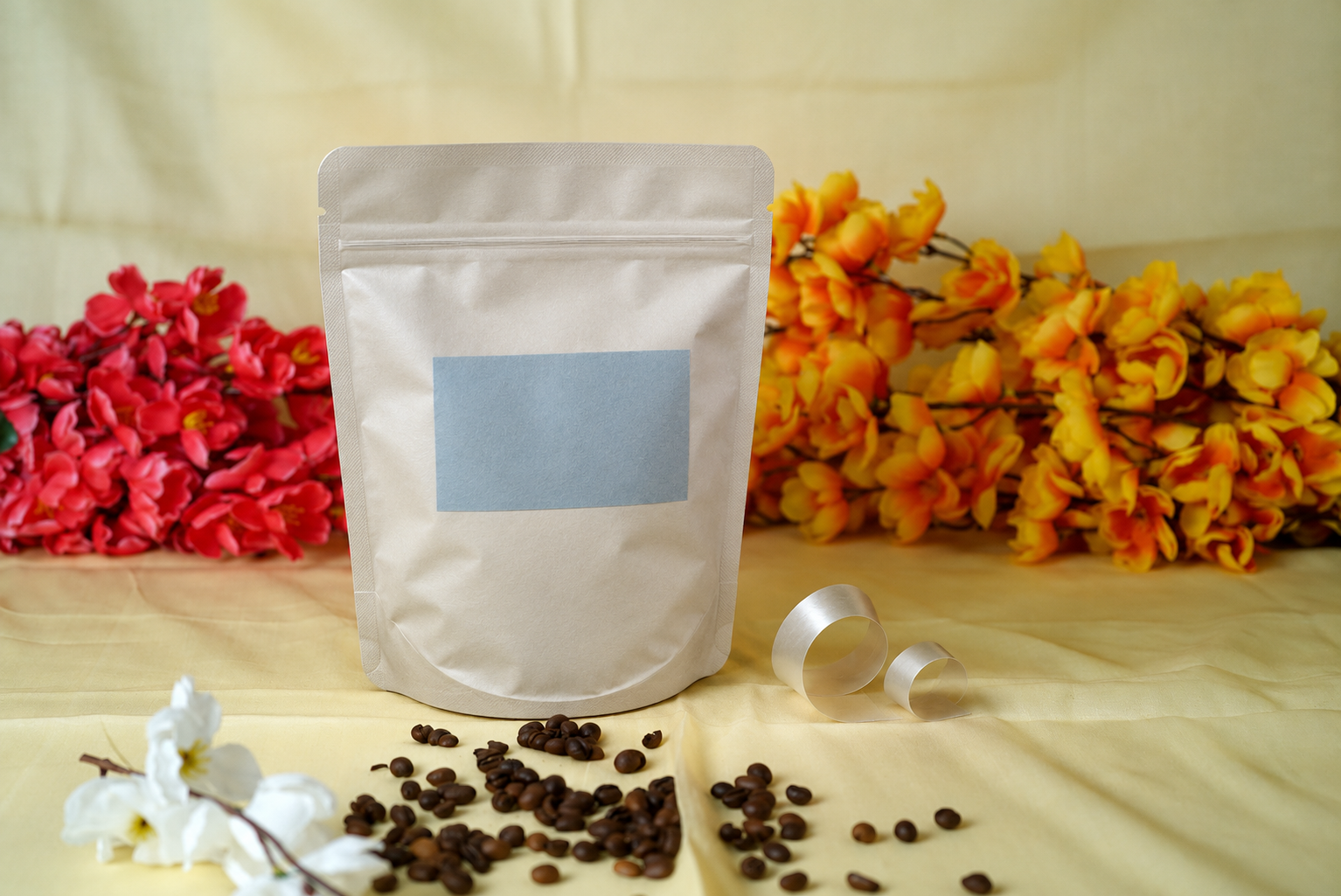
PCR stand up pouches: Recycled content and recyclable options
Understand how much recycled content is in a PCR stand up pouch and choose between Classic and Recyclable material structures for your product.

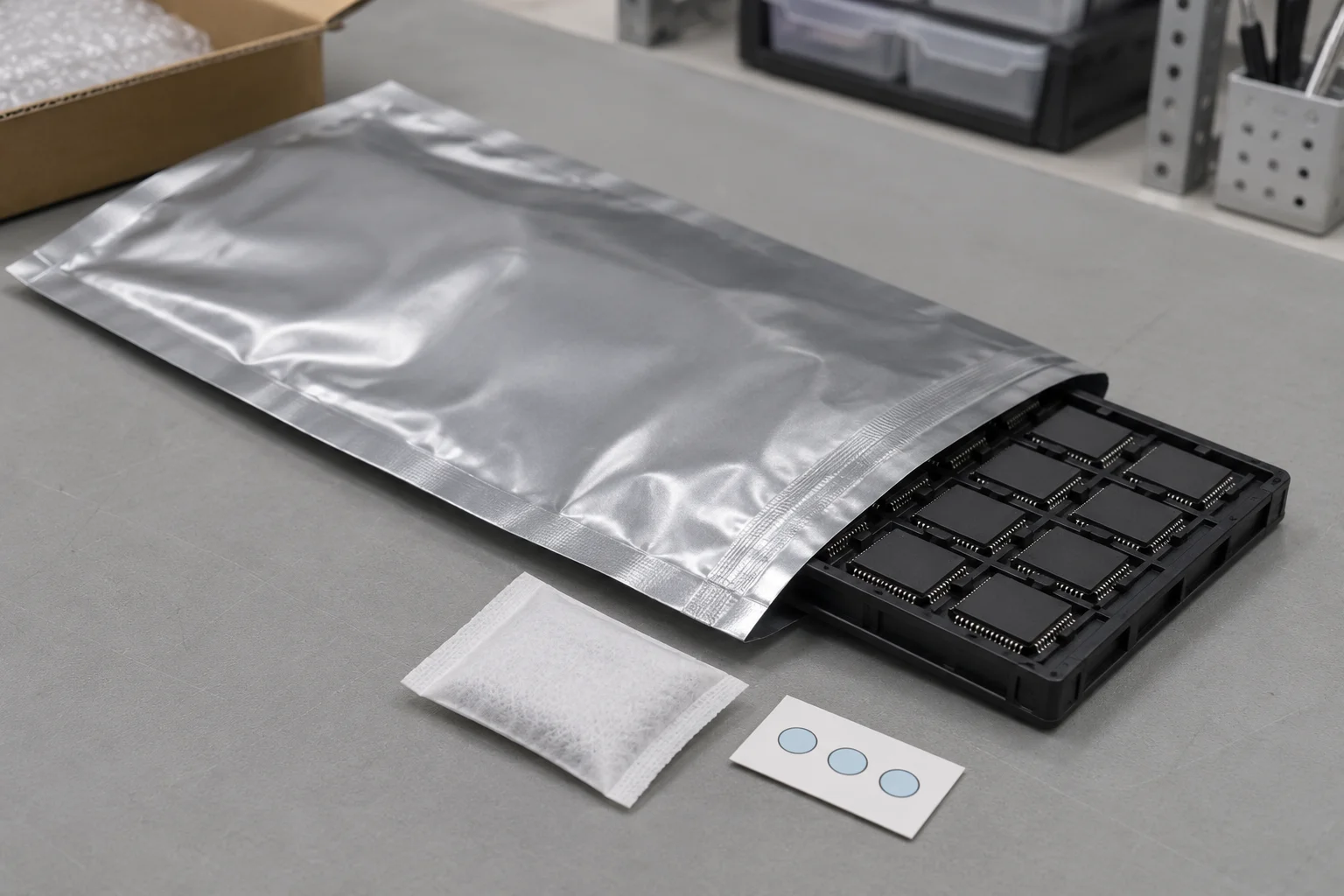
Moisture Barrier Bags: A Complete Guide to ESD Protection, Materials, and Thickness Selection
The right dry-pack bag is defined by verified moisture transmission, electrostatic protection and seal performance—not by thickness or a silver appearance alone.
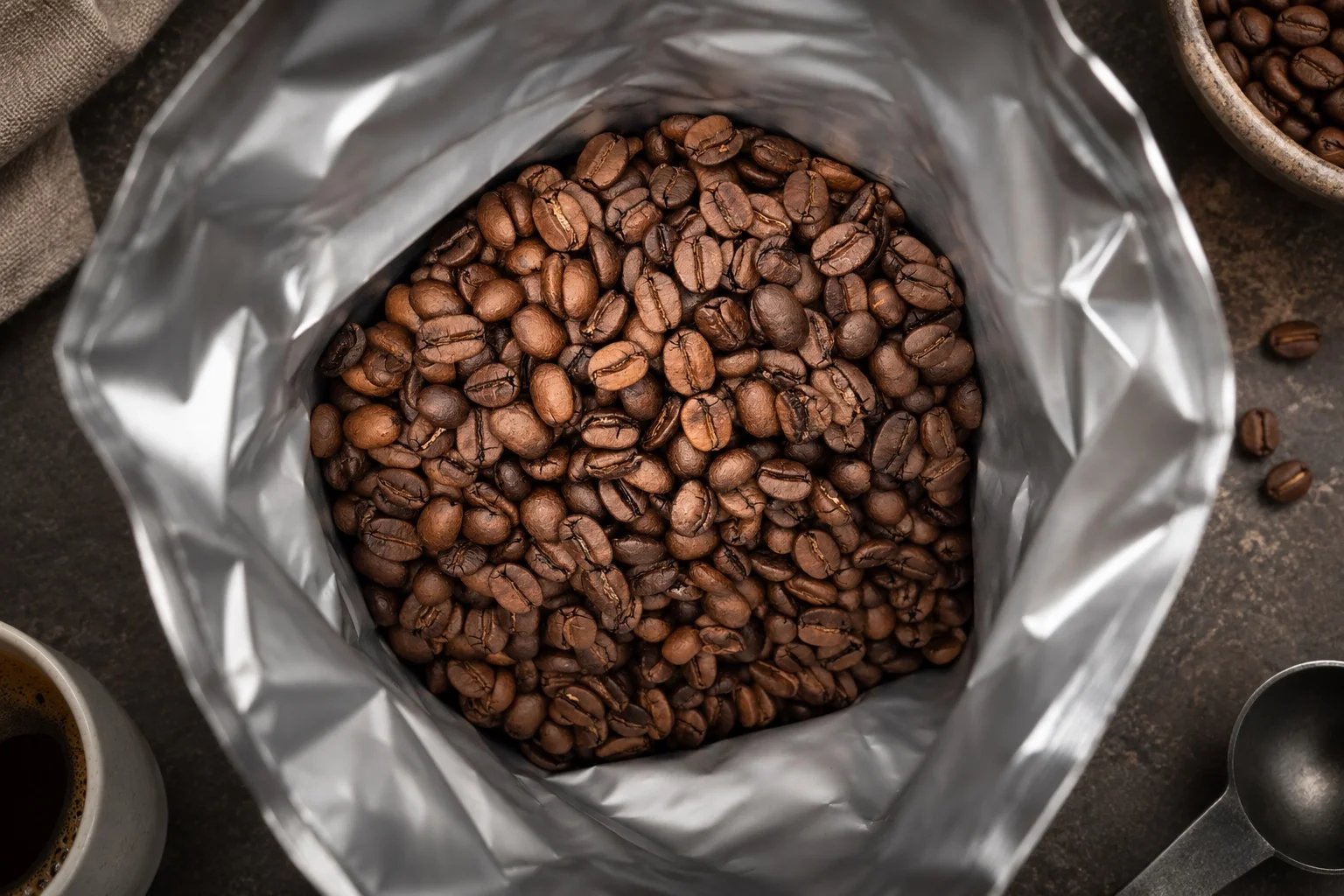
High Barrier Pouch: A Complete Guide to Materials, Film Structures, and Packaging Applications
An excellent high-barrier film can become a disappointing pouch if conversion, seals or the packaged product change its performance. Specify the finished system, not just the laminate.
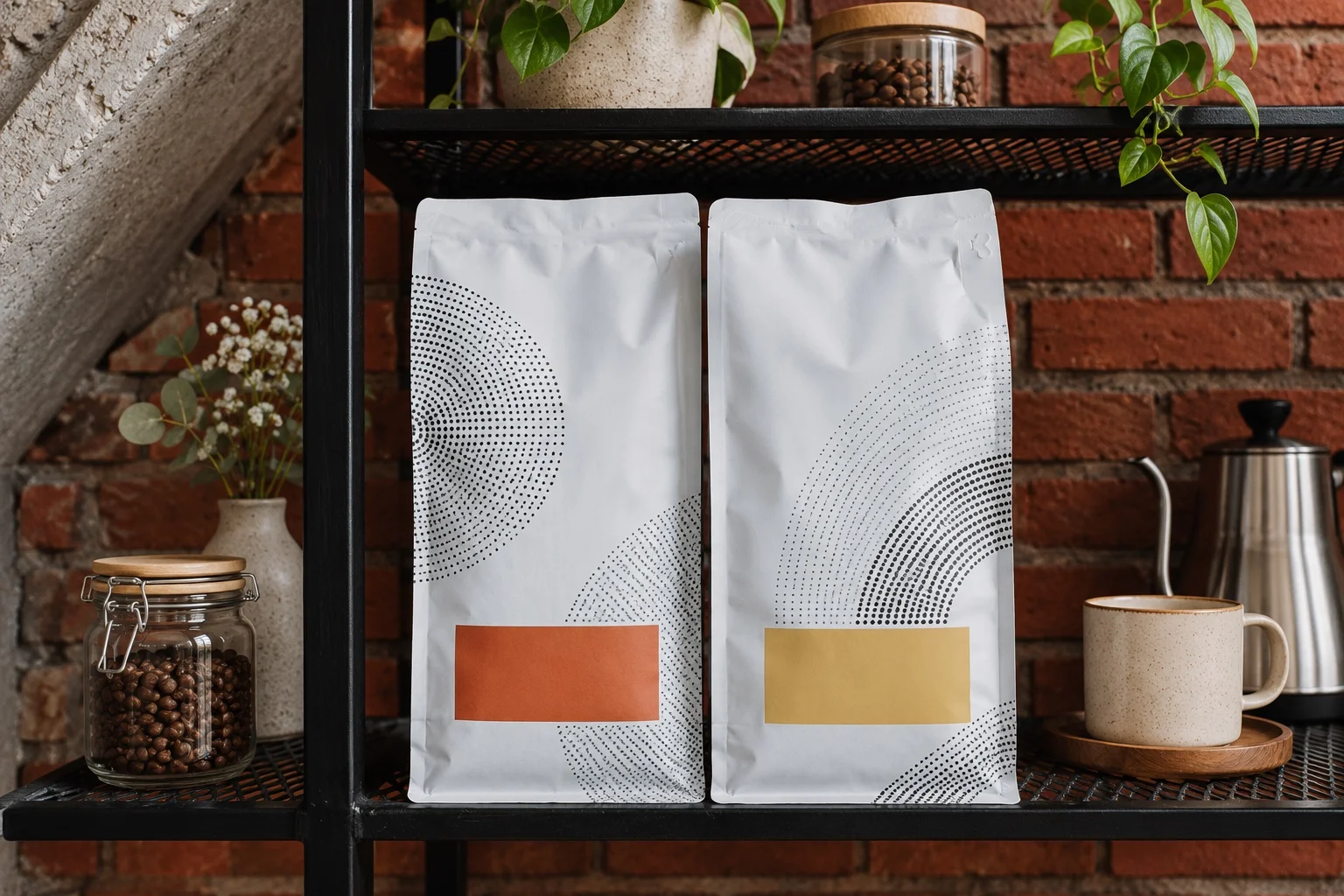
How to Specify Oxygen Barrier Bags for Food and Coffee
For coffee and oxygen-sensitive food, the target is not the lowest film OTR in isolation. It is a package that controls oxygen from filling through the customer's first opening.
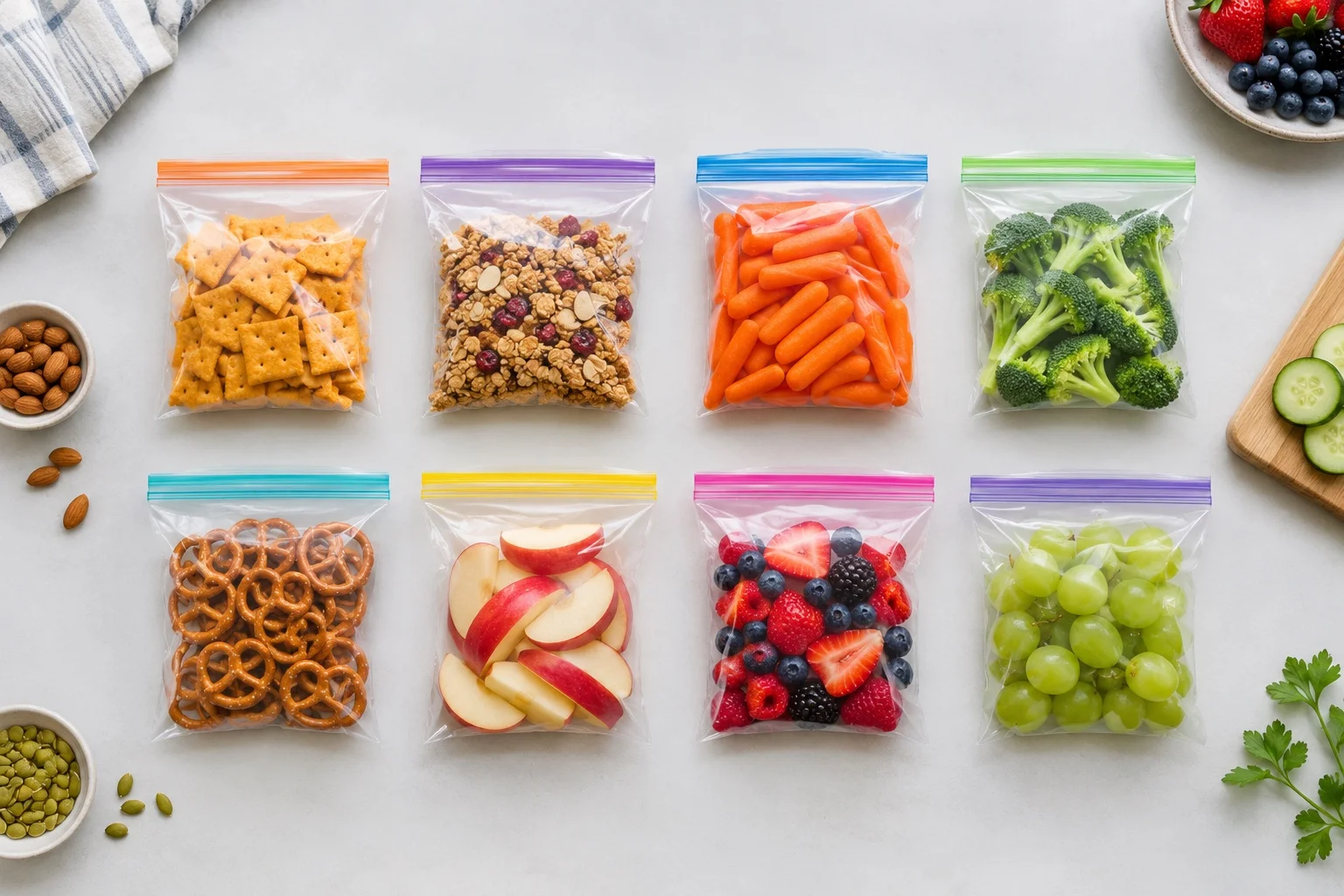
Resealable Moisture Barrier Bags: Benefits, Materials, and How to Choose the Right Packaging
The most important feature of a resealable moisture barrier bag is also its greatest uncertainty: what happens to protection after the first opening?
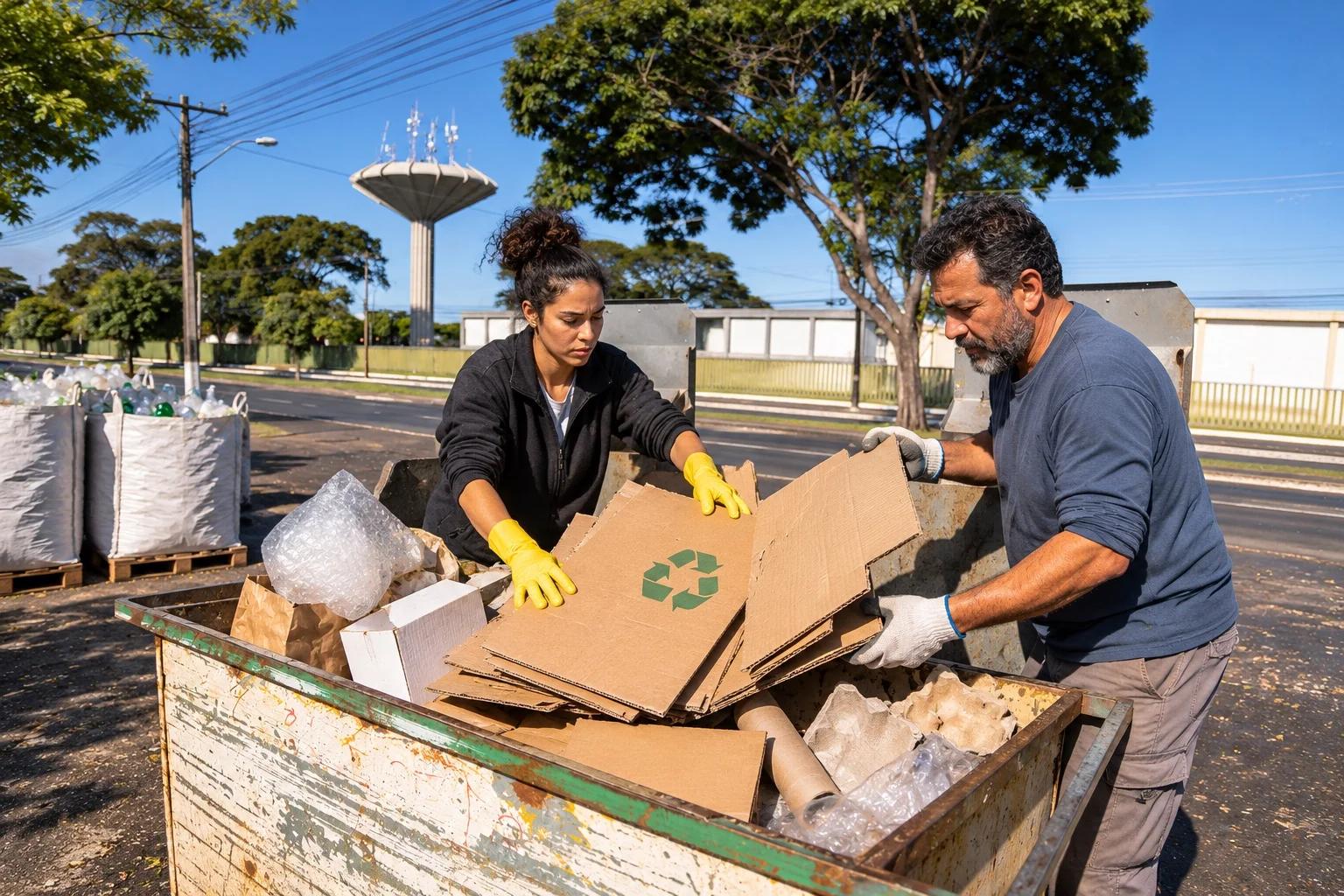
Recyclable Packaging Solutions: A Decision Guide for U.S. CPG Brands
The wrong way to choose recyclable packaging is to begin with a material slogan. A paper carton can lose product, a lightweight pouch can need an unavailable collection route, and a technically compatible plastic bottle can still be missed by the household, sorter, or reprocessor. A package only

Which Packaging Materials Are Recyclable? A CPG Decision Guide
The short answer: Paper, corrugated board, aluminum, steel, glass, PET, and HDPE can all be strong candidates for recyclable packaging—but the material name alone does not make a finished package recyclable. The package must protect the product, comply with food-contact requirements when
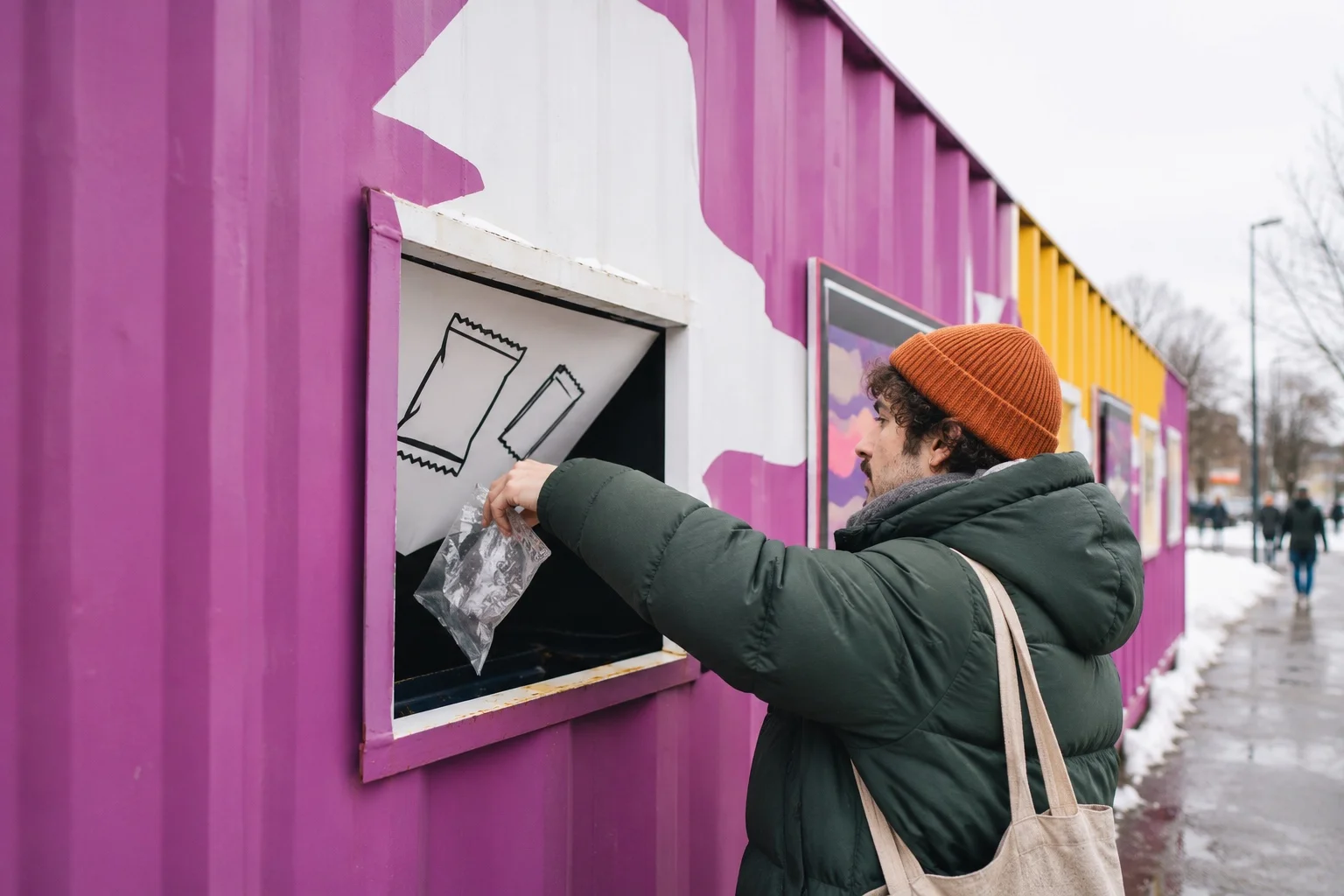
How2Recycle Store Drop-off Label: What U.S. CPG Brands Need to Know
The How2Recycle Store Drop-off label does not mean a package belongs in a household recycling cart. It directs U.S. consumers to take an eligible polyethylene-based film package to a participating retail collection point. That distinction matters: the U.S. Environmental Protection Agency lists

Recyclable Flexible Packaging: A Practical Guide for U.S. CPG Brands
Changing a pouch from a PET/foil/PE laminate to a structure marketed as “mono-PE” or “mono-PP” can improve its compatibility with a recycling stream. It does not, by itself, prove that the finished package is recyclable. The Flexible Packaging Association makes the same distinction: mono-material

Mailer Boxes vs Shipping Boxes: Which Packaging Is Better for Your Brand?
Compare mailer and shipping boxes by protection, cost, branding, sustainability, fulfillment speed, and the customer experience.
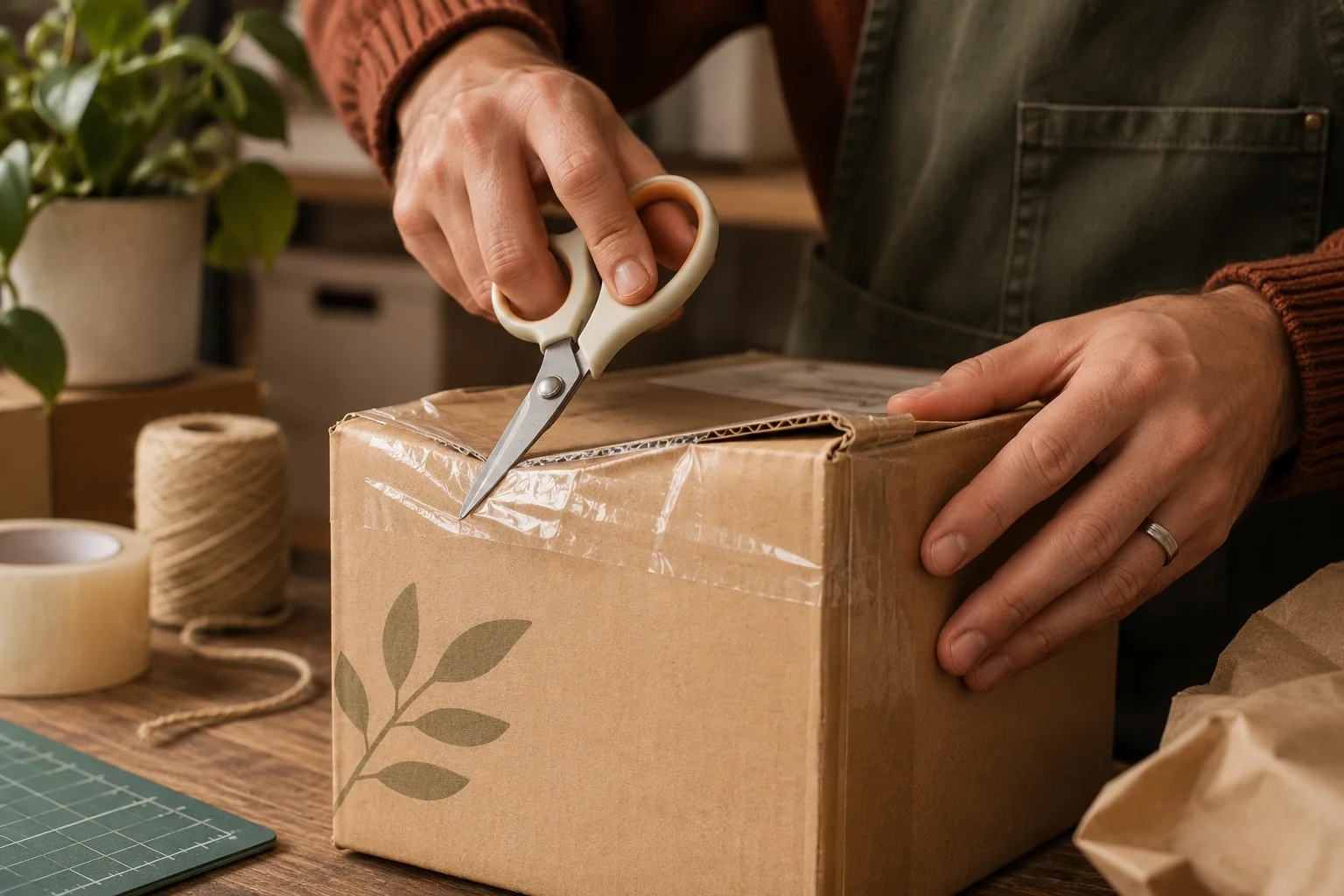
How to Make Custom Cardboard Boxes
Custom cardboard boxes start with the product, not the artwork. Learn how to choose the right structure and board, build a production-ready dieline, test a loaded sample, and compare costs before placing an order.
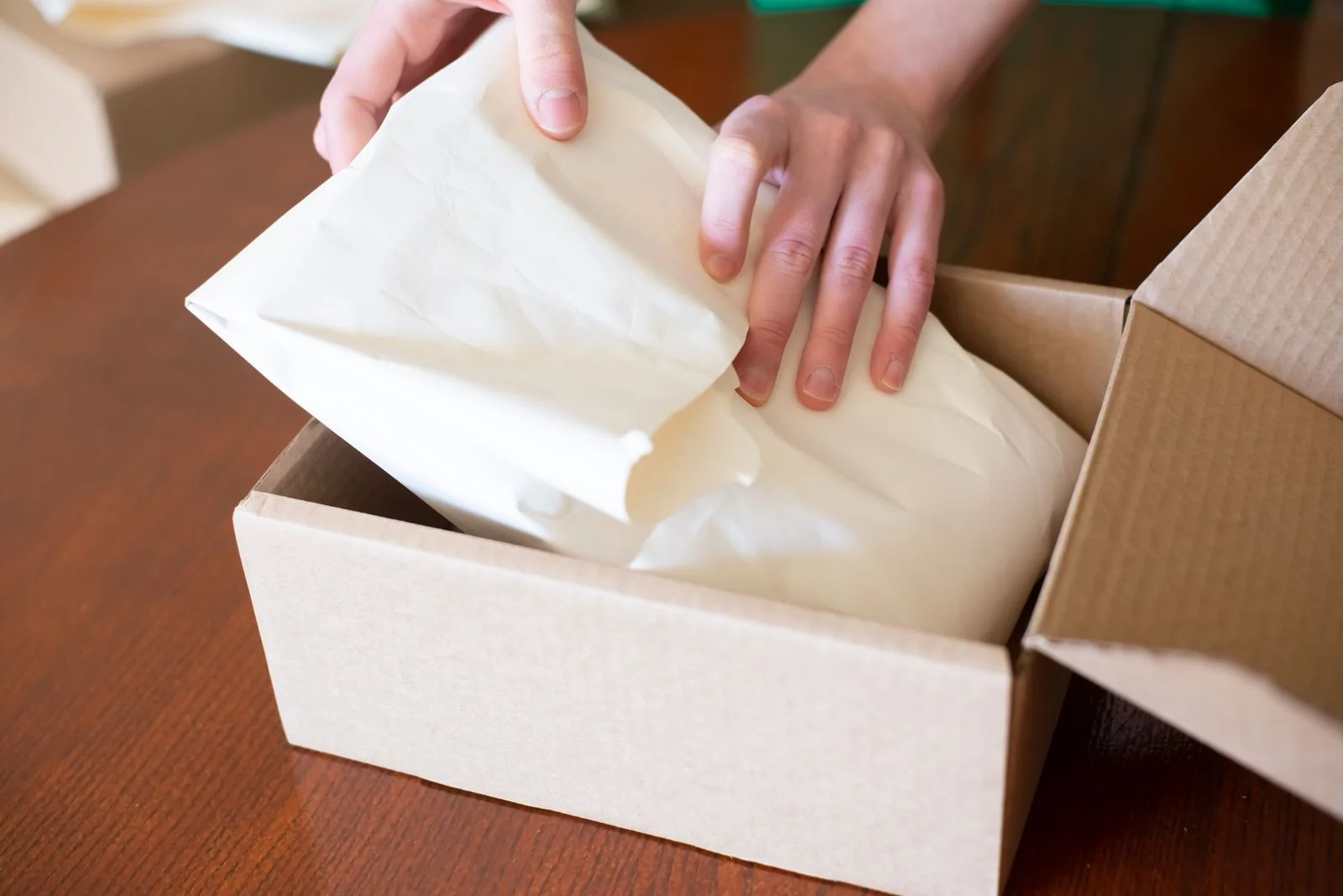
15 Best Custom Mailer Box Ideas for Ecommerce Brands in 2026
Explore 15 creative custom mailer box ideas for 2026, from premium unboxing designs and sustainable materials to custom inserts and smart packaging solutions that help ecommerce brands stand out.
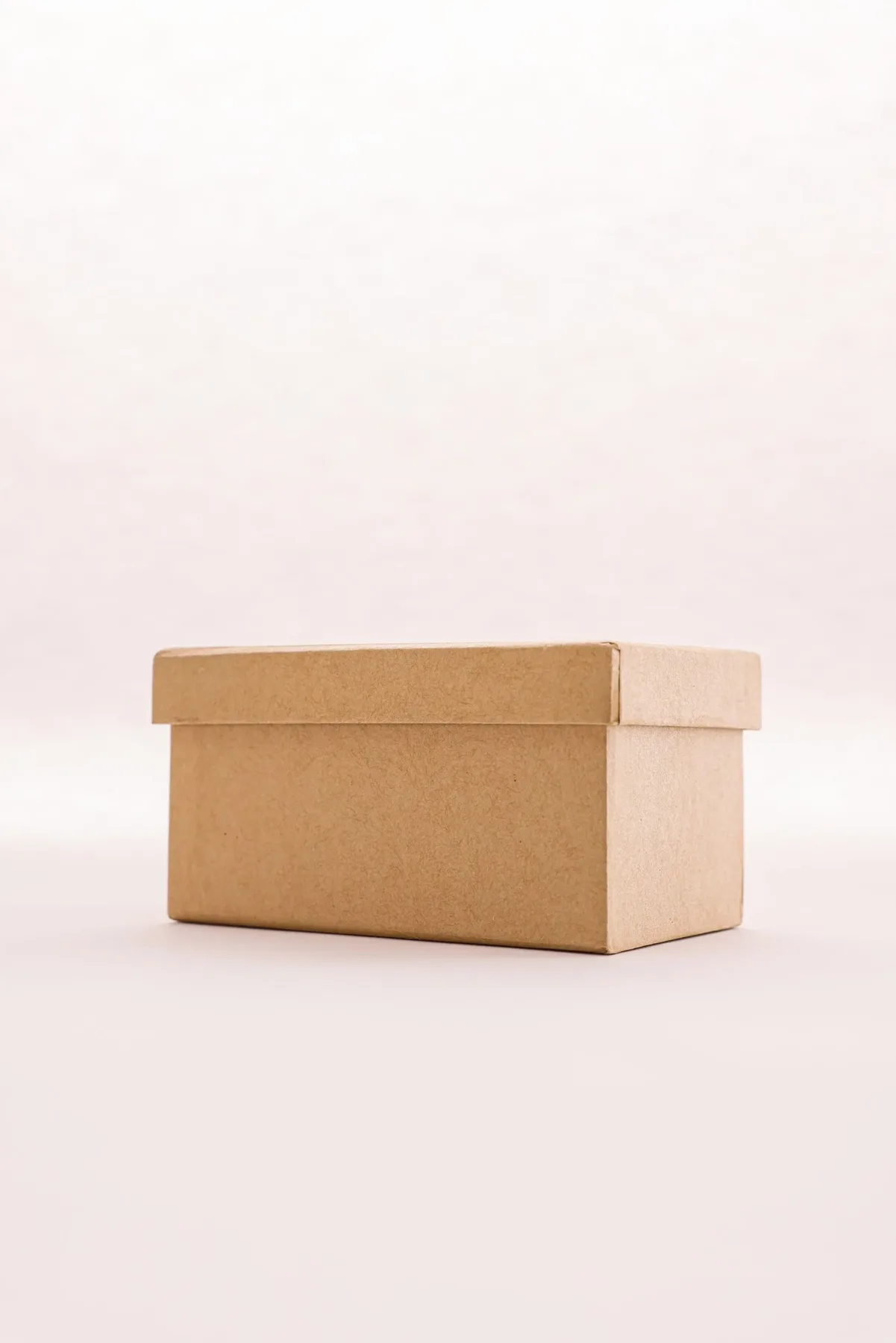
What Is a Mailer Box? A Complete Guide for Ecommerce Brands
How self-locking corrugated mailer boxes protect ecommerce orders while supporting printing, unboxing, and right-sized fulfillment.
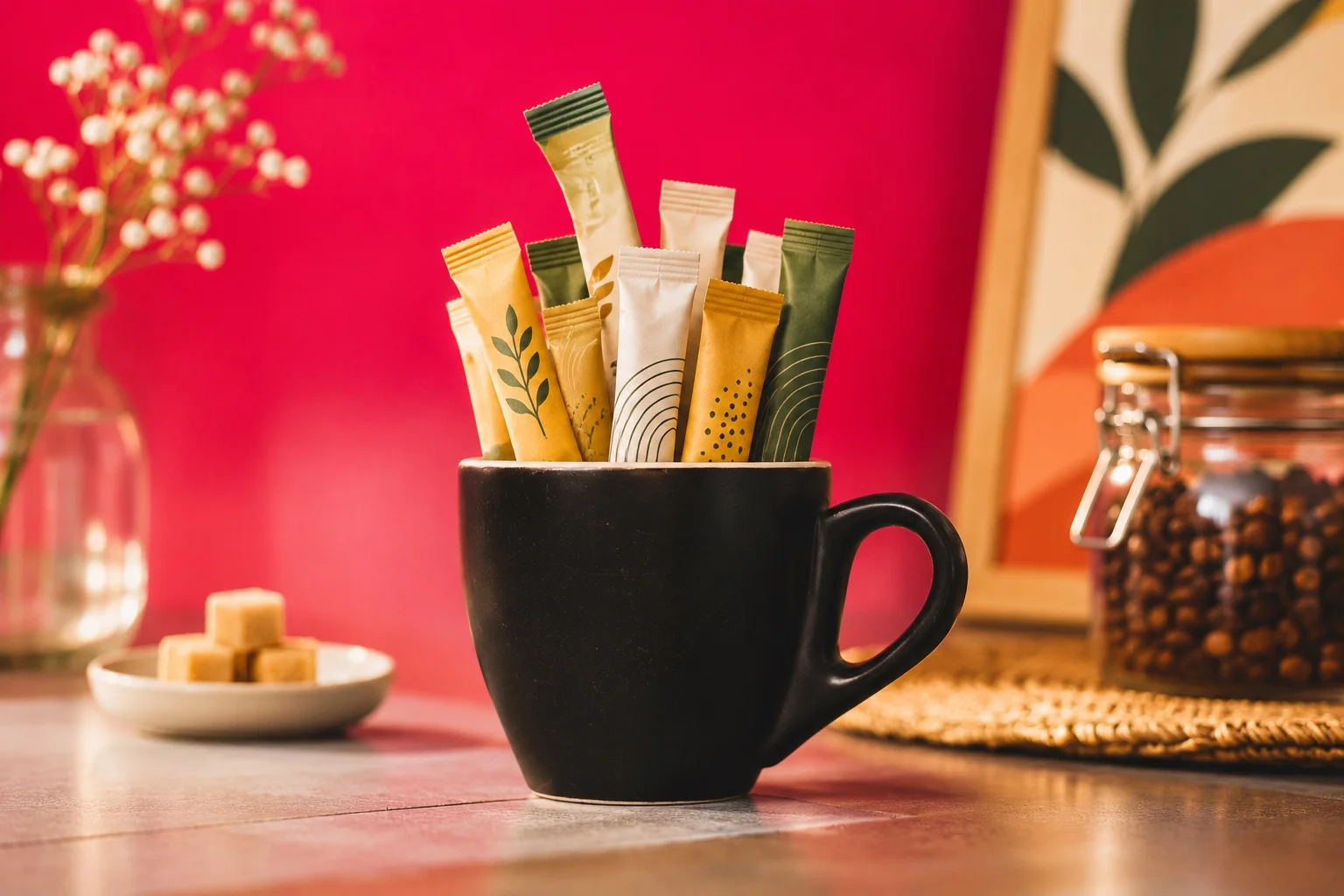
Stick Pack Packaging: Formats, Materials, Rollstock, and Use Cases
A practical guide to stick pack formats, filling compatibility, barrier materials, artwork, use cases, and sample testing.
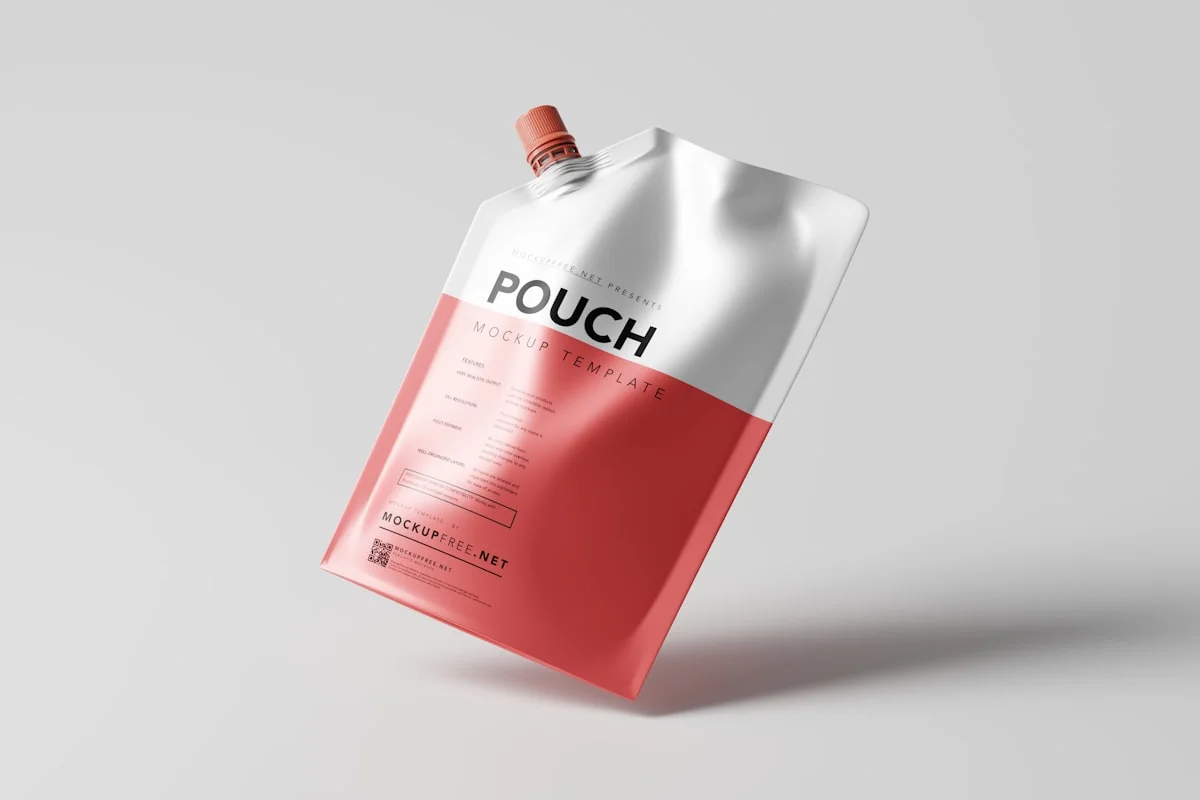
Stand Up Pouch Sizes Explained: Capacity, Dimensions, and How to Pick the Right Fit
Match pouch dimensions and capacity to product density, fill volume, zipper clearance, shelf appearance, and real-world sample testing.
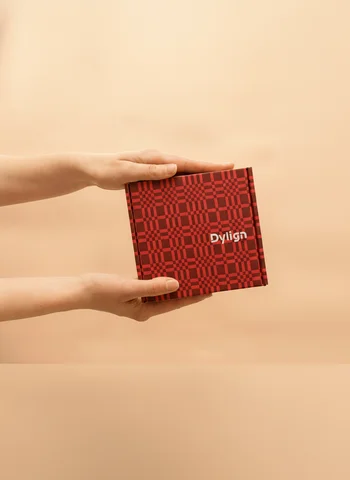
Choosing the Right Box Type: Mailer, Shipper, Product, Rigid
Different box types serve different purposes, and choosing the right one affects your cost, product safety, and customer experience. In this guide, we introduce the four most common box types brands use today: mailer boxes, shipper boxes, product boxes, and rigid boxes.. You’ll learn what each type does, what it’s best for, and how to choose the right one for your product.
What Is a Flat Bottom Pouch? Packaging Benefits, Structure, and Best Uses
A guide to flat bottom pouch structure, shelf stability, materials, and the products that benefit most from its box-like shape.
Stand Up Pouches vs Flat Bottom Pouches: Which Packaging Format Should Your Brand Choose?
Compare pouch structure, shelf stability, product fit, materials, closures, and artwork before choosing the right flexible format.
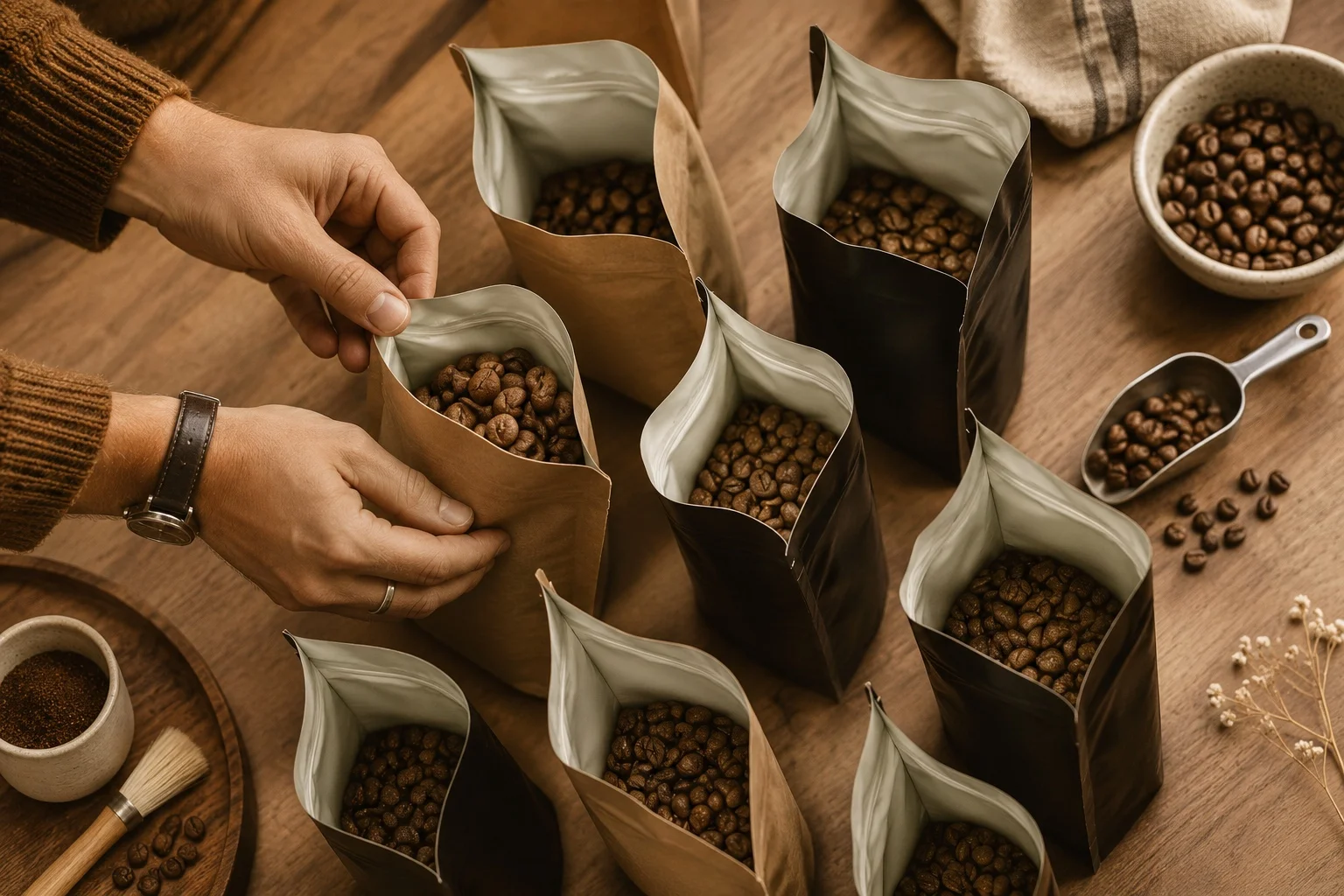
Pouch Type Selection Guide: Stand-Up, Flat Bottom, Flat Pouches, and Sachets & Stick Packs
Compare Stand-Up Pouches, Flat Bottom Pouches, Flat Pouches, and Sachets and Stick Packs by display style, typical uses, branding space, and cost factors. Choose a format around your product, sales channel, and filled-sample results.
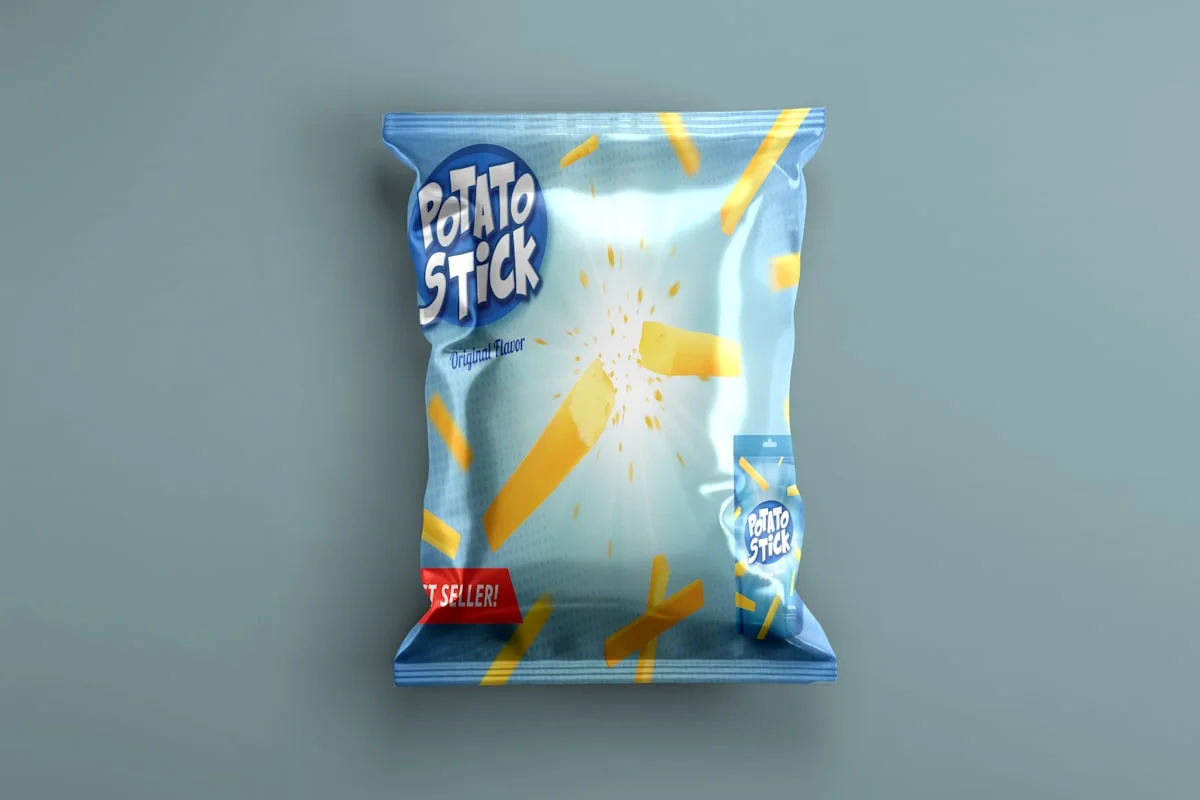
How to Choose Custom Food Pouches for Snacks, Nuts, Candy, and Dry Goods
Choose food pouches around freshness, fill weight, resealability, shelf display, barriers, windows, and how customers store the product.
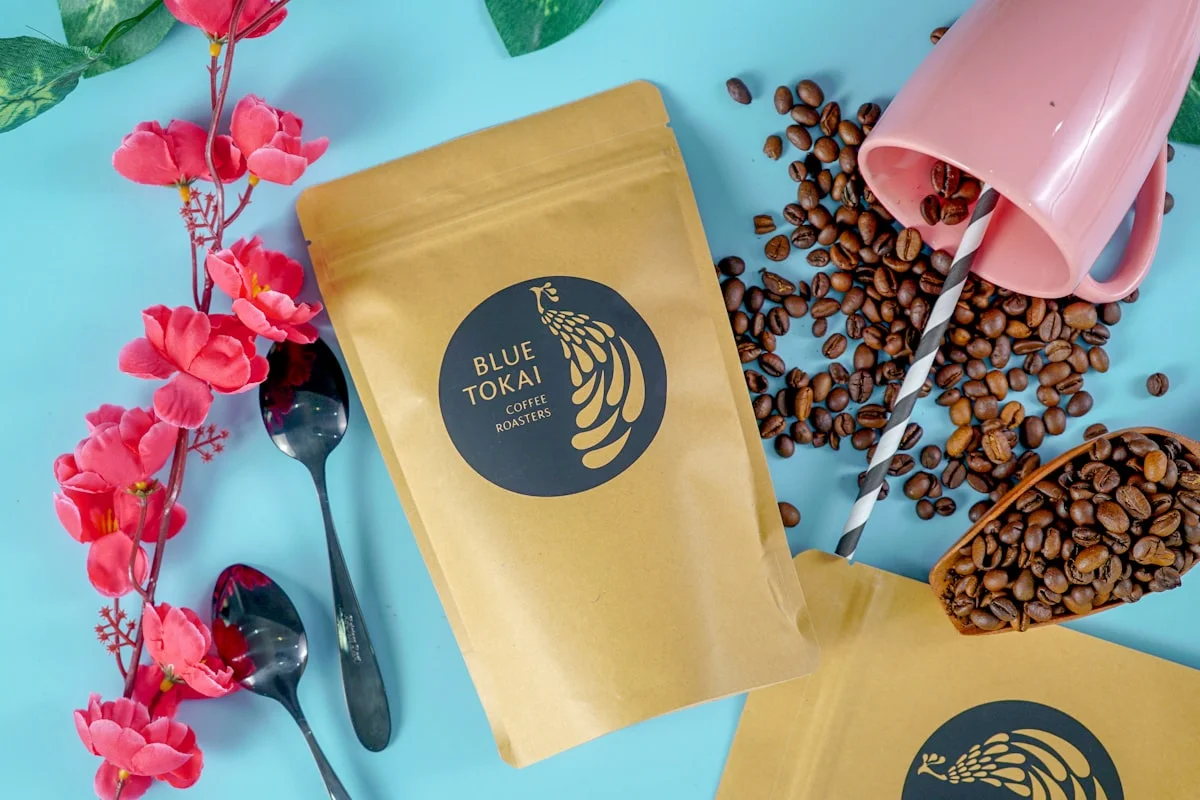
Custom Coffee Pouches: How to Choose the Right Bag for Freshness, Valve, and Shelf Appeal
Plan coffee pouch format, size, degassing valve, barrier film, closure, labeling, and samples around the roast and sales channel.
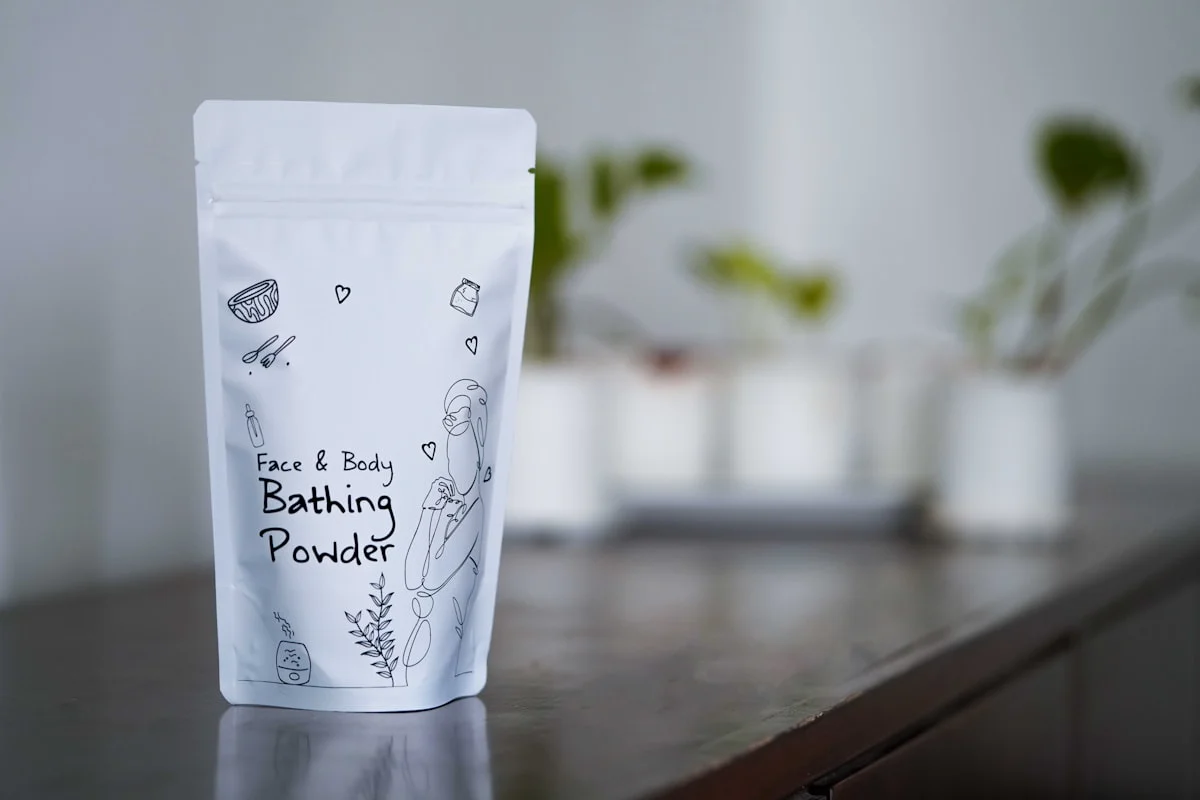
What Is a Stand Up Pouch? A Practical Guide to Materials, Uses, and Custom Options
Learn how stand up pouches are built and how materials, barriers, zippers, sizing, artwork, and product use shape the final format.
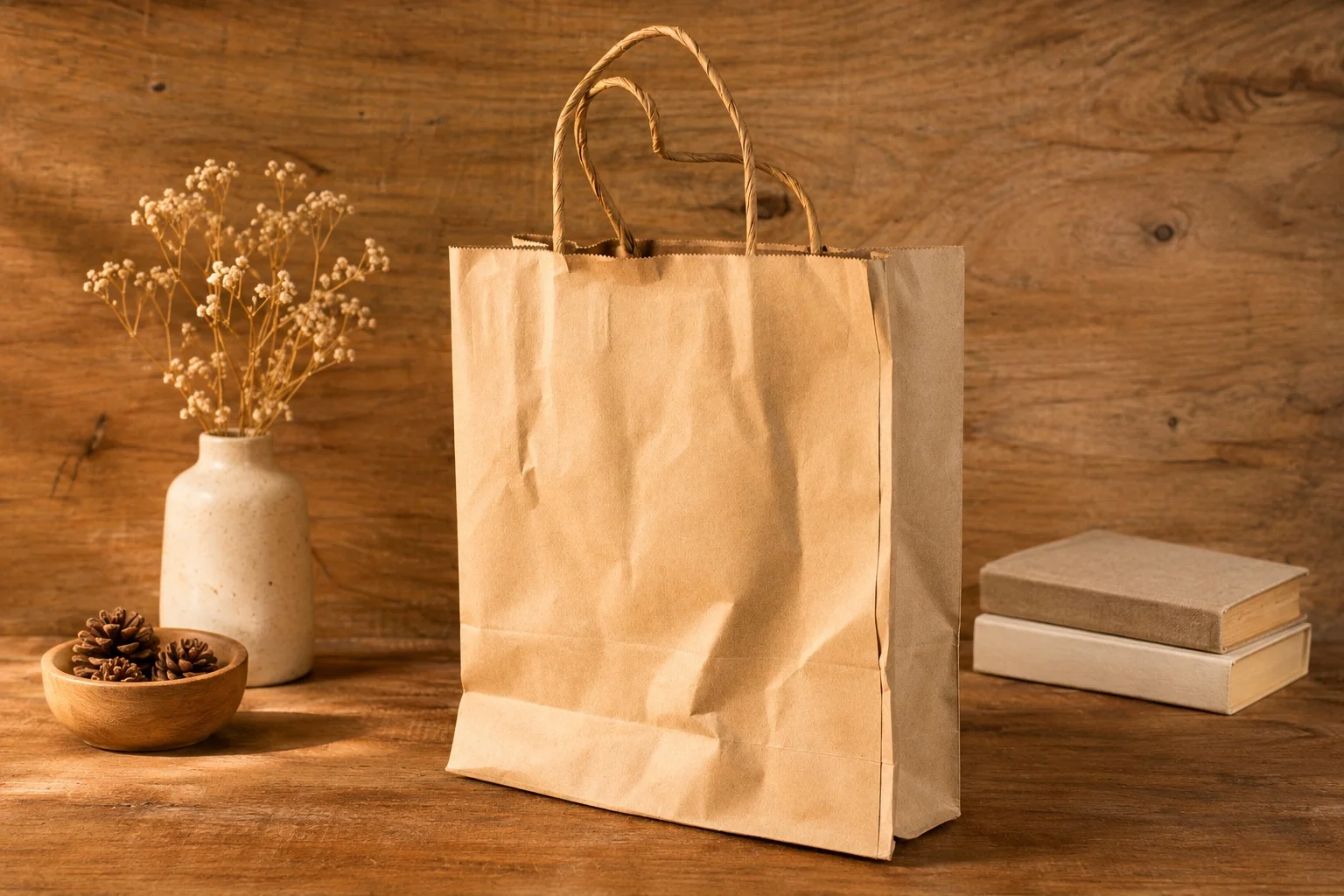
What Determines Custom Shopping Bag Costs? Quantity, Printing & Freight Explained
Custom shopping bag costs depend on more than unit price. Learn how order quantity, paper materials, printing, freight, and inventory decisions affect the total cost for retail and CPG brands.

How to Make Packaging for a Product?
Learn how to make packaging for a product through a practical 10-step process covering requirements, materials, compliance, costing, prototyping, testing, artwork, supplier selection, and production release
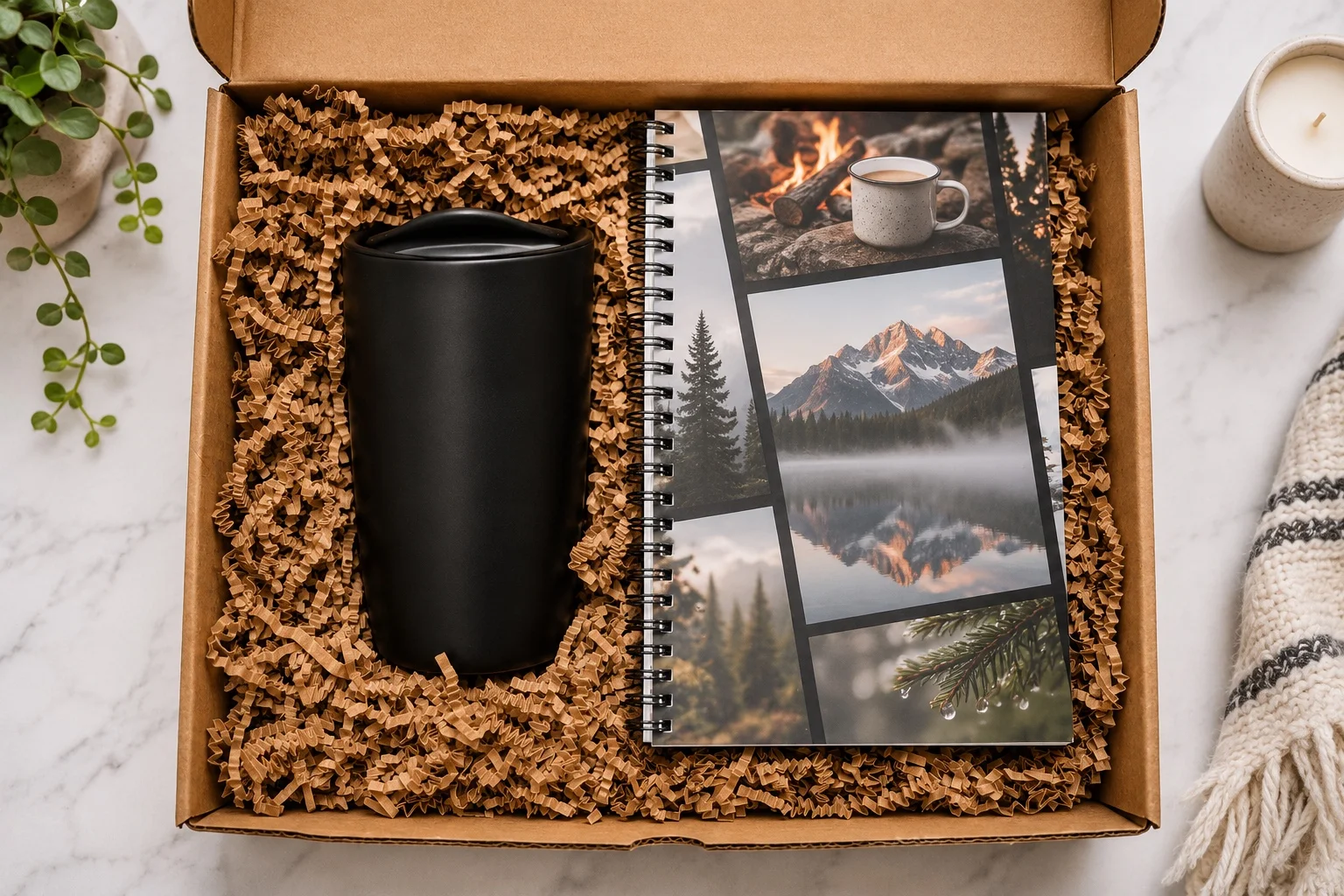
Swag Boxes Explained: Strategy, Packaging, and Fulfillment
A practical guide to planning swag boxes around audience, contents, packaging, kitting, fulfillment, compliance, total cost, and measurable results
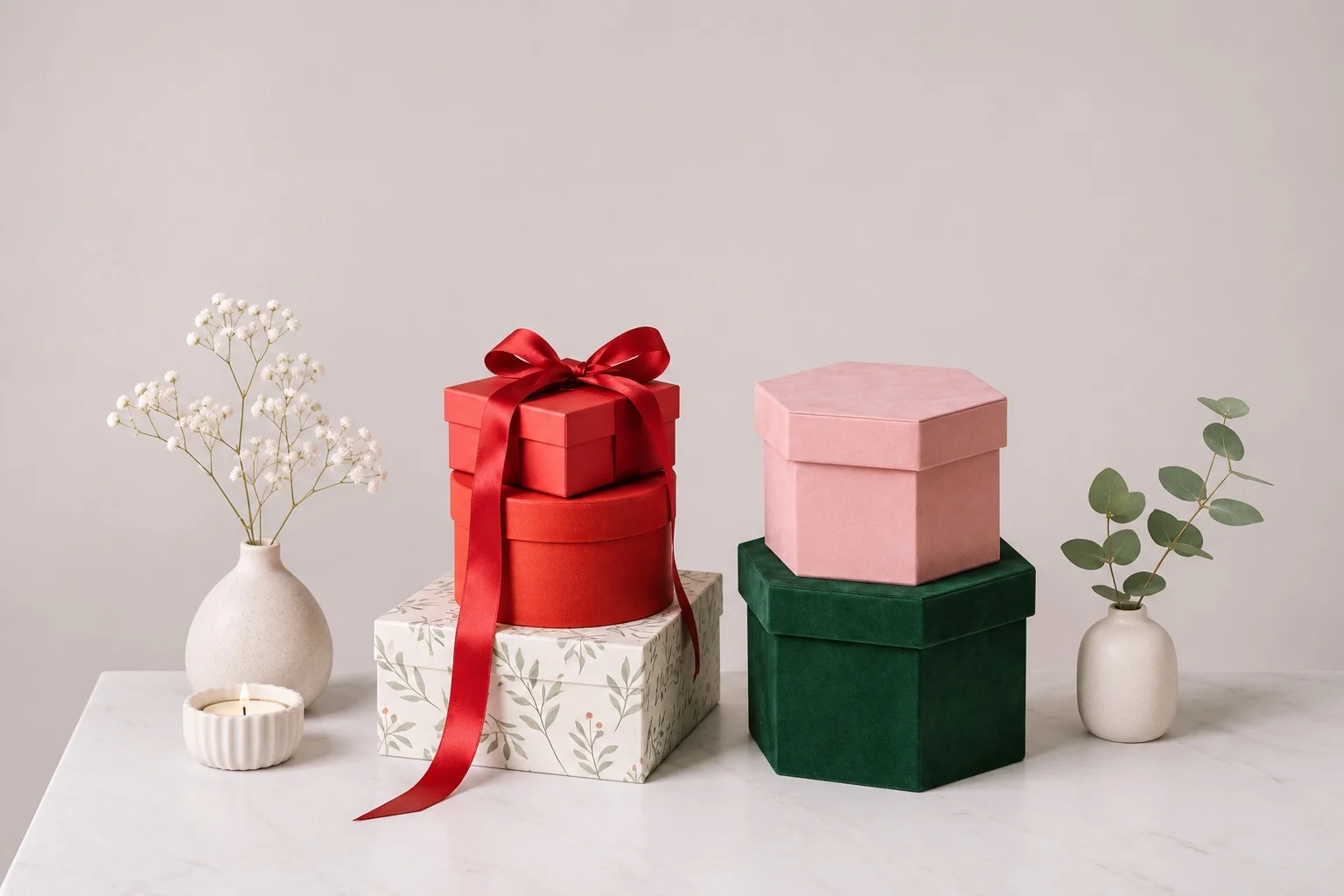
Box Shapes Explained: How to Choose the Right Package
A practical guide to choosing box shapes based on product fit, shelf impact, production, freight, compliance, and end-of-use performance

How to Outline Fonts in Illustrator for Packaging Files
Learn how to outline fonts in Adobe Illustrator, verify the result, and prepare packaging artwork without losing your editable source file.

How to Embed Images in Illustrator for Packaging Artwork
Learn how to embed images in Adobe Illustrator without losing control of your packaging artwork. This guide explains when to link, embed, or package assets—and how to verify every image before handing production files to your printer.

What Is Sustainable Packaging? A Practical Guide to Materials, Claims, and Trade-Offs
A practical guide to sustainable packaging for CPG brands, covering material trade-offs, recovery realities, defensible claims, compliance requirements, and package testing across the U.S. market.

Sustainable Packaging Materials: How to Judge Them on Evidence
Learn how to evaluate sustainable packaging materials using real-world recovery rates, material weight, and the evidence behind recycled, recyclable, and bio-based claims—so your team can balance carbon impact, recovery, and product performance.
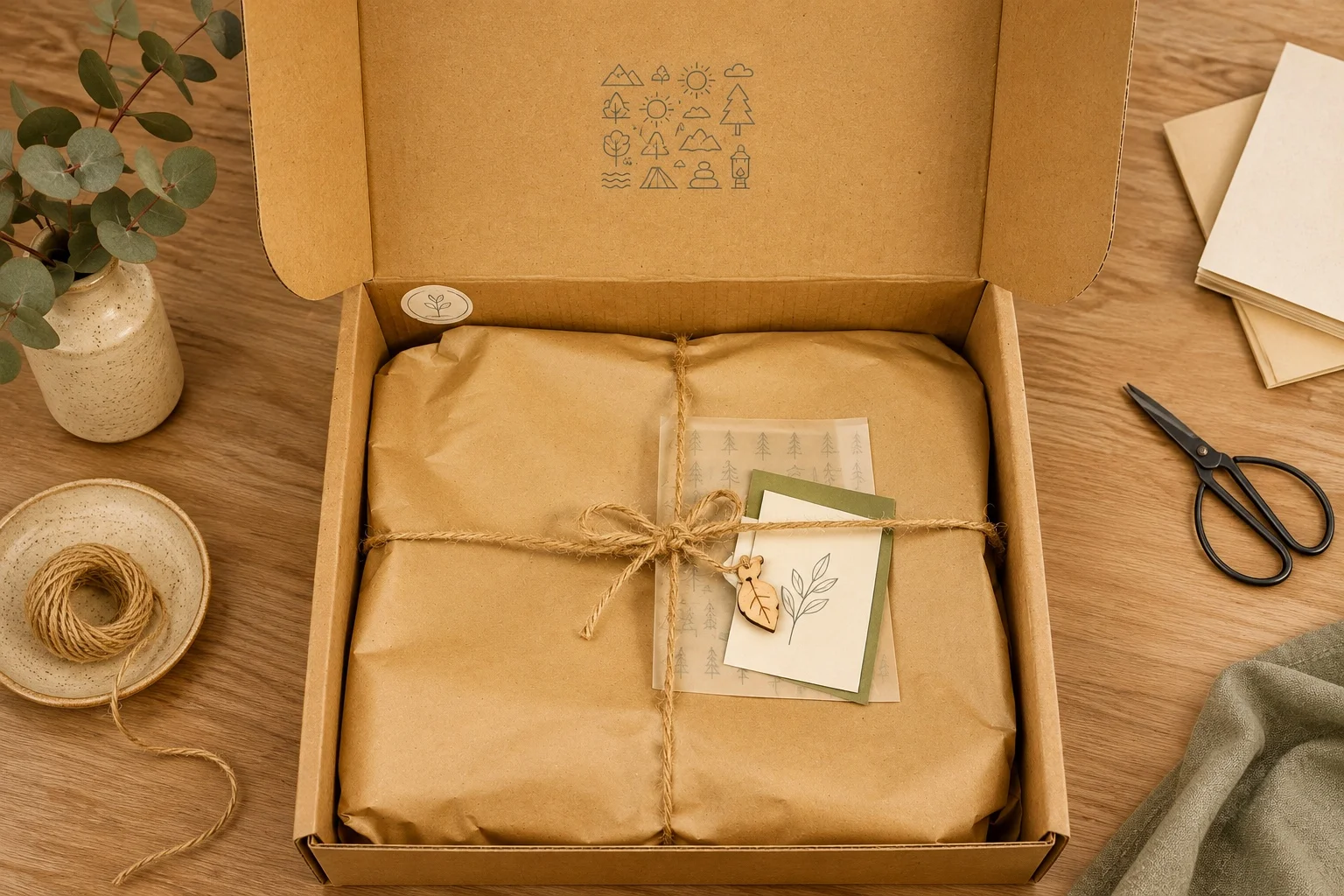
Sustainable Packaging Solutions: Which Ones Actually Reduce Impact
Discover which sustainable packaging strategies deliver measurable results—from removing components and reducing shipping volume to improving recyclability, changing materials, and protecting products from waste.

Types of Paper for Packaging: A Practical CPG Guide
Explore the main types of paper packaging—from kraft and specialty papers to SBS, CUK, CRB, FBB, and corrugated board—and learn how to match each material to product, production, and performance needs.
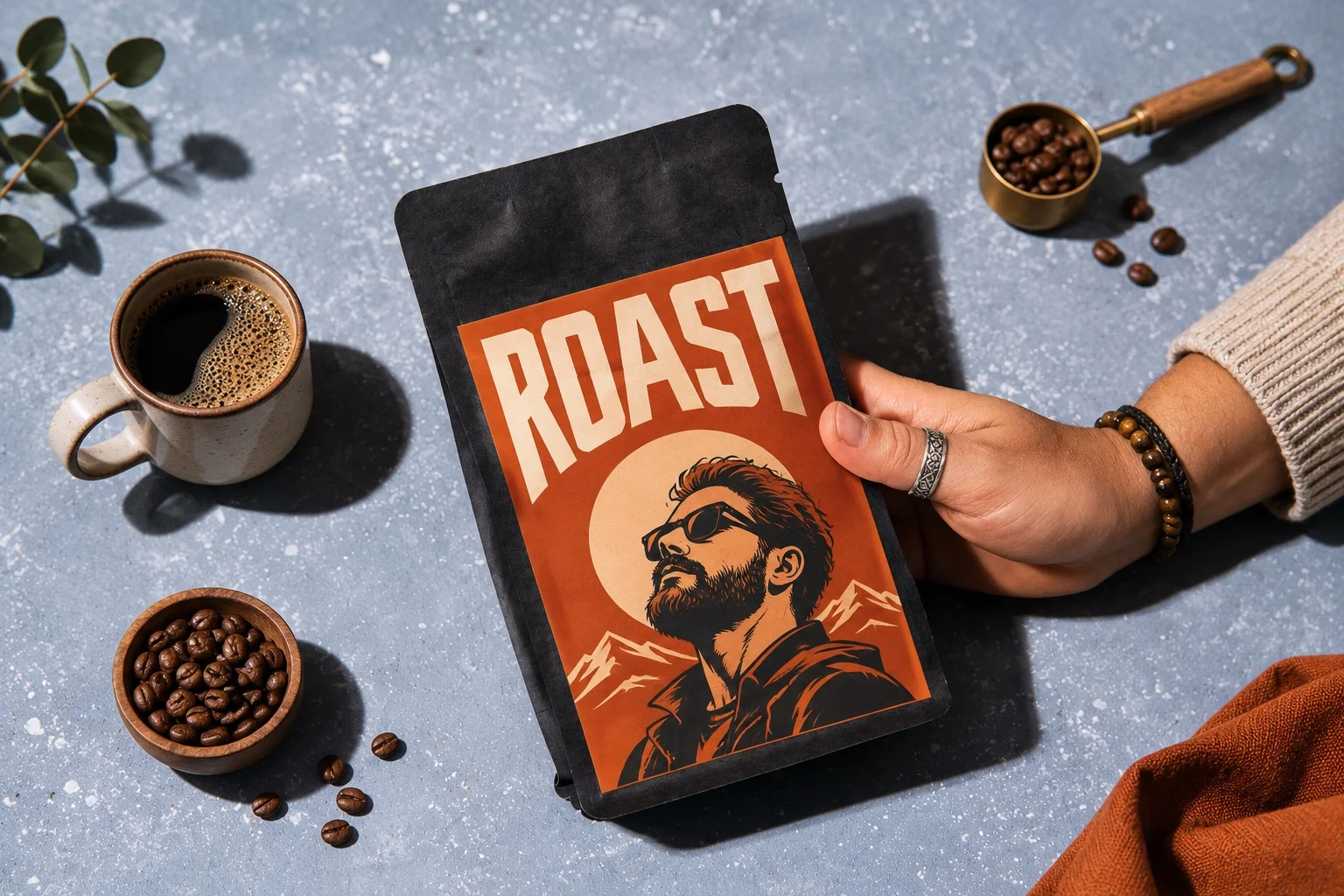
Packaging Typography: A Data-Led Guide for U.S. CPG Brands
Learn how to create packaging typography that improves product recognition, supports label compliance, and stays readable from the retail shelf to the mobile screen.
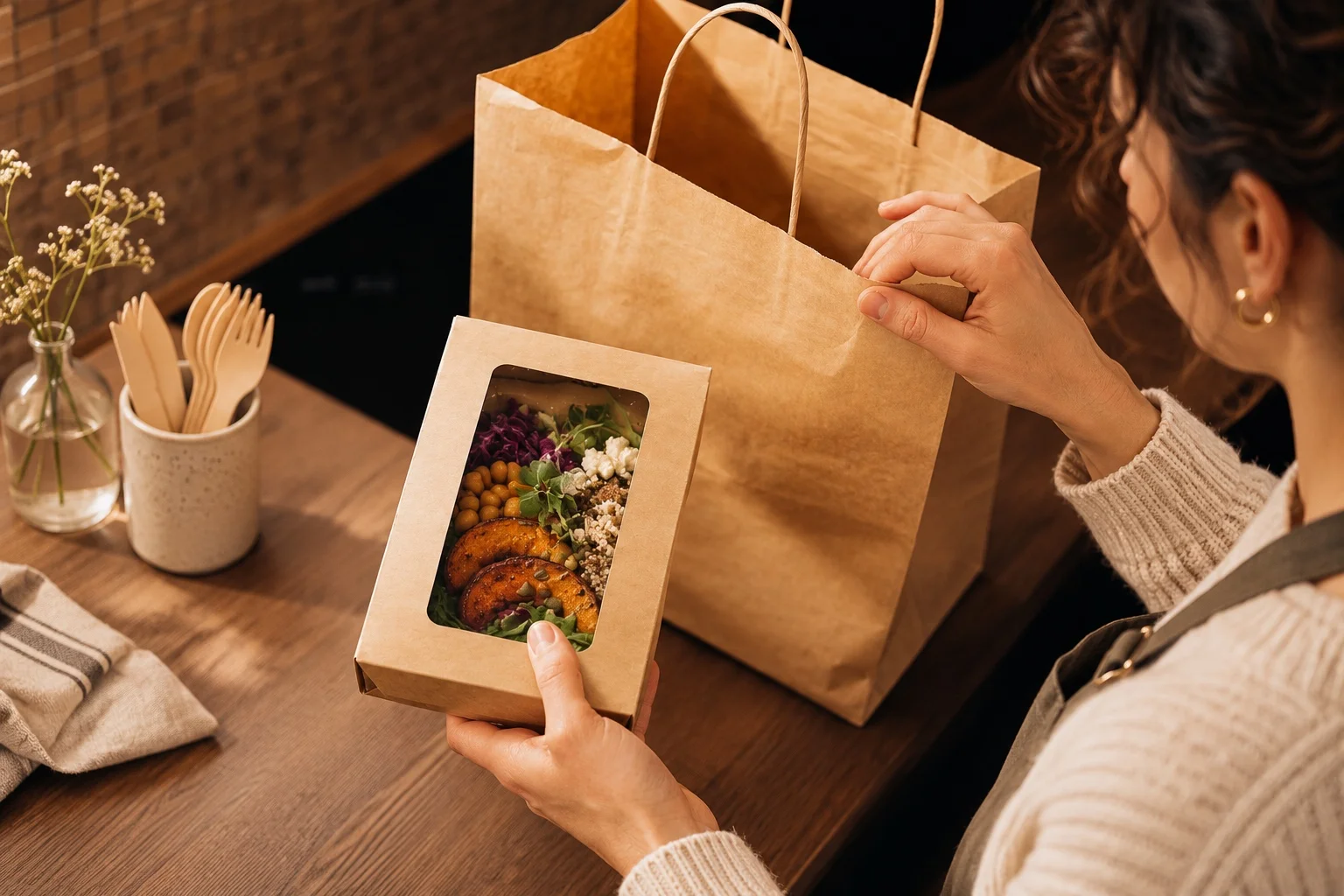
Sustainable Packaging Trends 2026: What Changed This Year
See how EPR reporting, recyclability rules, PFAS restrictions, the EU PPWR, and tight PCR supply are reshaping sustainable packaging decisions in 2026.
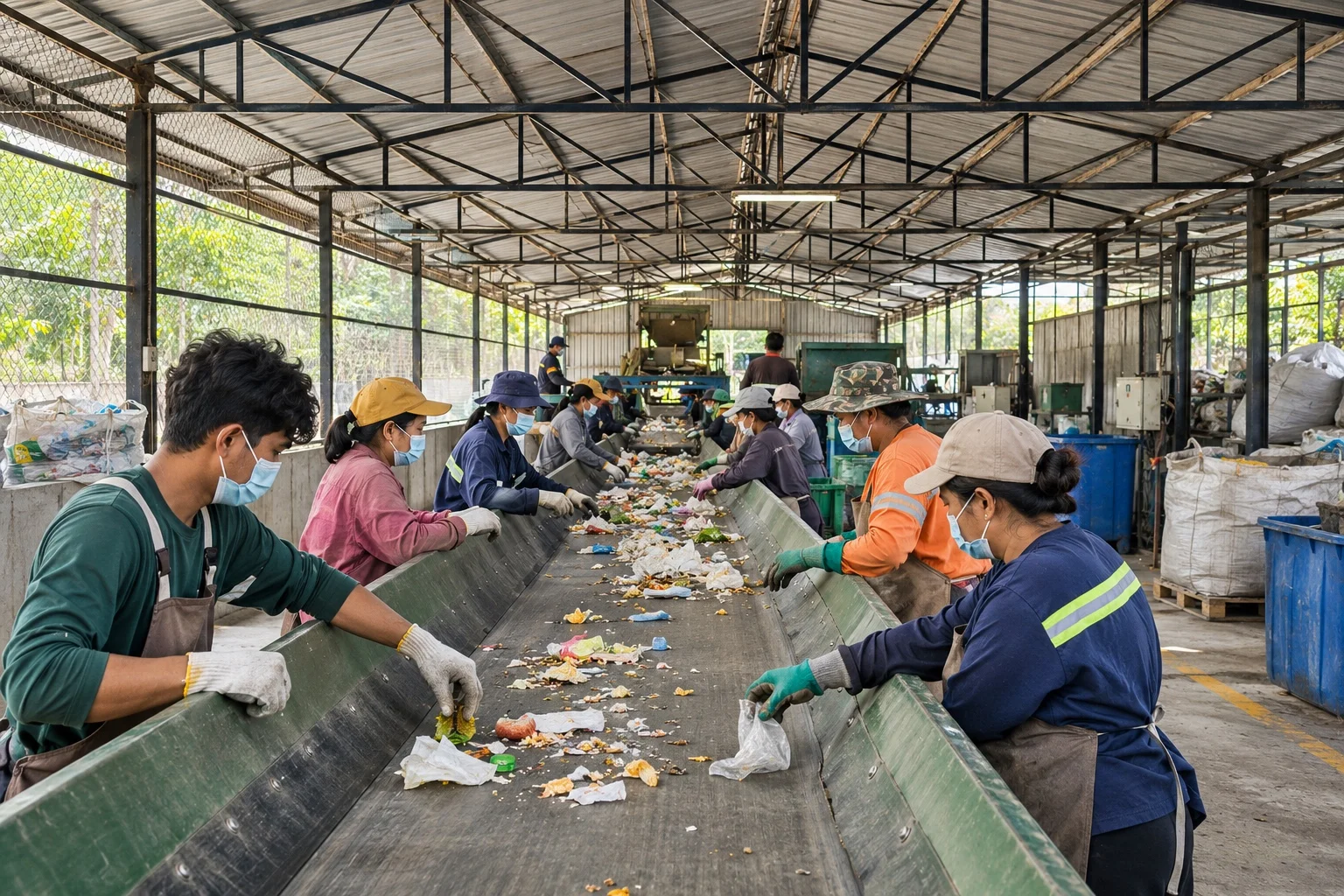
Sustainable Packaging News: What U.S. CPG Brands Need to Know in 2026
Track the sustainable packaging developments shaping U.S. CPG in 2026, from state EPR execution and Oregon’s first results to claims, materials, and compliance priorities.
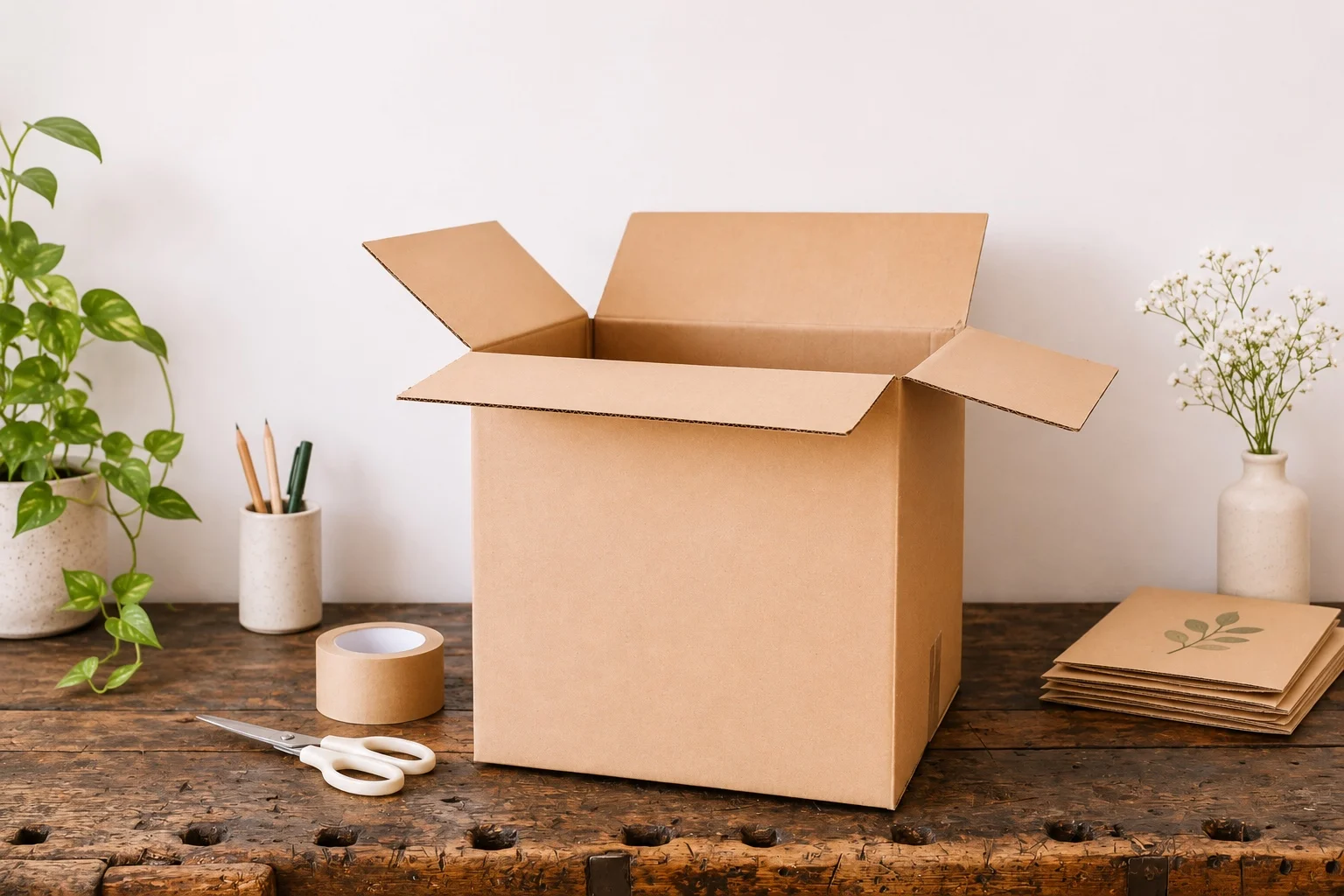
How to Make Custom Cardboard Boxes
Custom cardboard boxes start with the product, not the artwork. Learn how to choose the right structure and board, build a production-ready dieline, test a loaded sample, and compare costs before placing an order.

FOB vs. Landed Cost: A Guide for U.S. CPG Importers
Learn the difference between FOB and landed cost, what U.S. CPG importers need to include, and how to calculate the true cost of each imported SKU
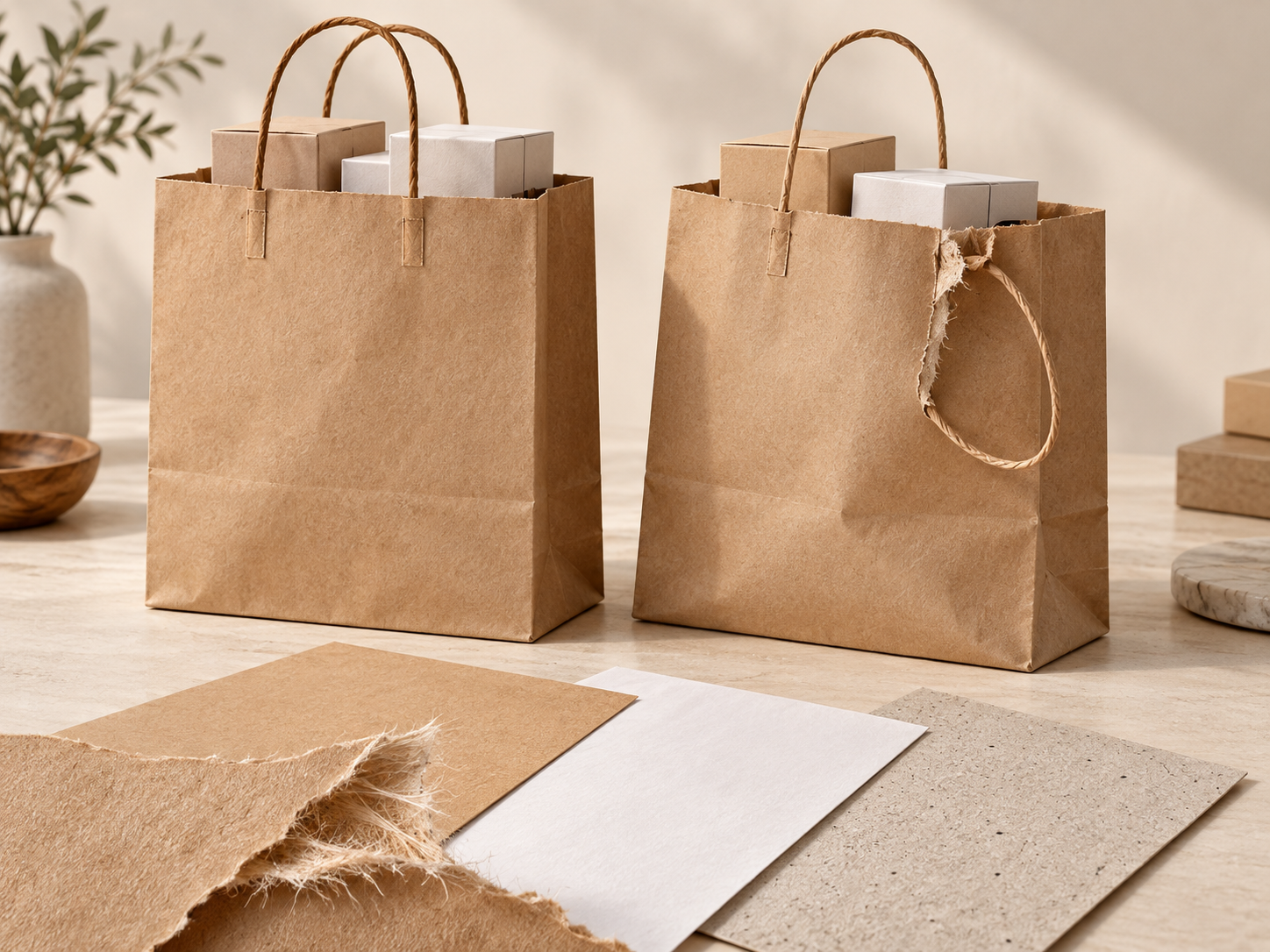
What Is Kraft Paper? Types, Uses, and Packaging Choices
Kraft paper is more than a brown surface. Learn how fiber source, finish, weight, and barrier layers affect strength, print quality, and recyclability—and what to specify when choosing packaging for your product.
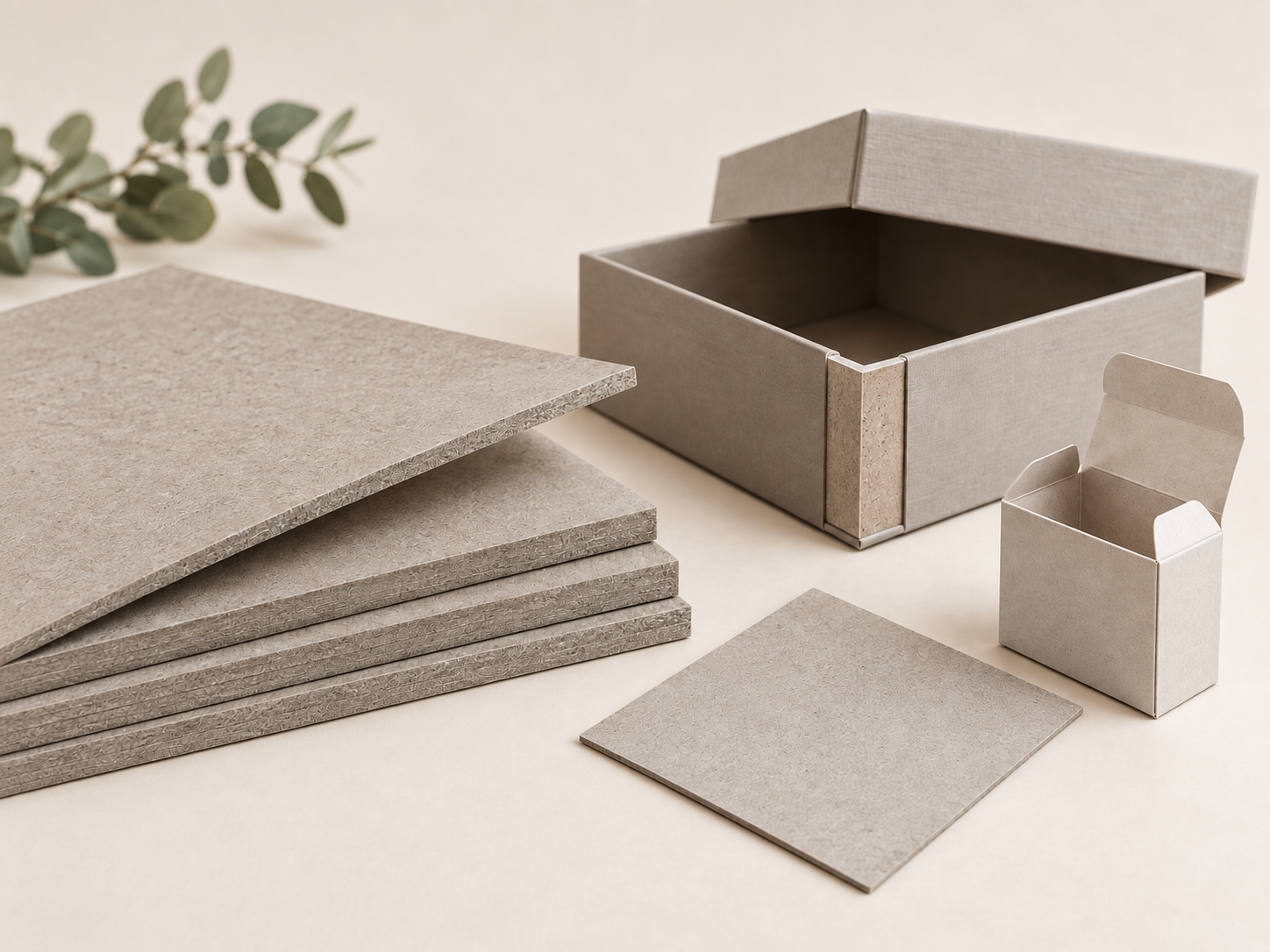
What Is Chipboard? A Guide to Paperboard Packaging
Chipboard adds stiffness, separation, and structure, but the right choice depends on the package. Compare grades, thicknesses, print methods, moisture risks, and alternatives before specifying the board.
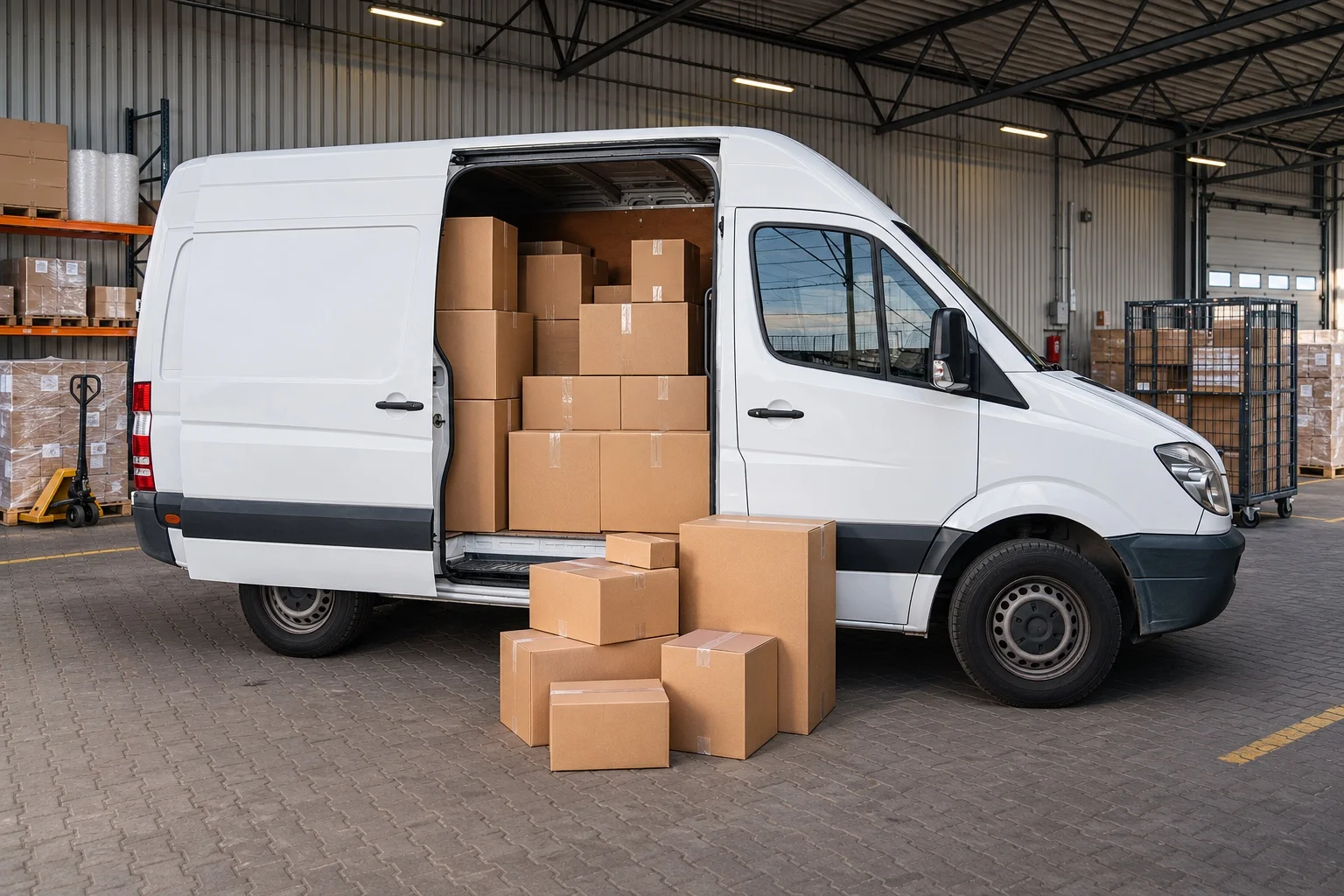
Integrated Packaging Solutions: From 100 Units to Scalable Production
From a 100-unit test run to repeat production, integrated packaging keeps design, specifications, proofs, samples, landed costs, manufacturing, and delivery connected—so growing CPG brands can scale without starting over.
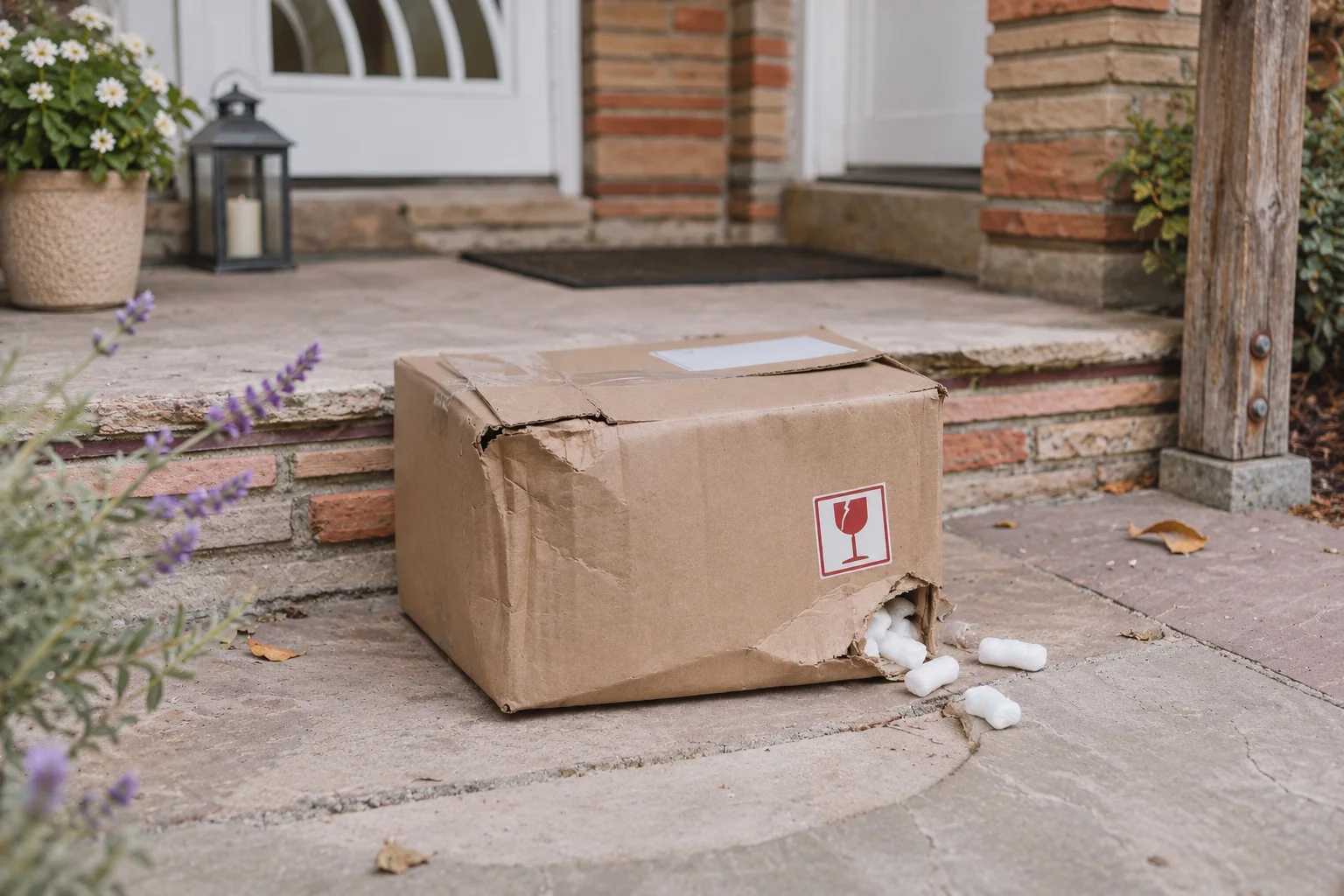
Box Drop Test: How to Set the Right ASTM D5276 Drop Height and Build a Better QC Program
A box drop test evaluates how well a complete packaged product withstands impact during handling and distribution. This guide explains how ASTM D5276 fits into the process, how drop height is determined, and how to turn test results into practical packaging quality decisions.

The Hidden Cost of Rework: Packaging Quality Problems Create Pollution
Packaging “pollution” during production is usually driven by rework, which occurs when a manufacturer cannot hit quality targets the first time.
2026 U.S. Packaging ESG Policy Updates: PFAS Bans, PIP (3:1) Restrictions, Foam Expansion, EPR Fees, and “Green Claim” Proof
A practical overview of PFAS bans, PIP (3:1) restrictions, foam expansion, EPR fees, and proof requirements for environmental claims.
ESG & Packaging Policy in 2026
How U.S. regulations are redefining recyclability, chemical use, and packaging design in 2026.
Stop Ignoring Those Little Symbols on Your Packaging
This article breaks down the most common sustainability labels found on packaging and explains what each one means.
How Recyclable and Compostable Pouches Can Cut Waste Across the Supply Chain
A guide to recyclable mono-material laminates and certified compostable pouches for ESG-aligned packaging design.
A Complete Guide for Choosing the Right Structure for Your Brand: Selection Roadmap for Your Businesses
Turn packaging from a simple container into a competitive advantage with a practical material and structure selection roadmap.
Guide to Sustainable Packaging Symbols: How2Recycle, BPI, FSC, SCS, SFI, CarbonNeutral, Understanding What They Mean for Your Packaging Choices
What How2Recycle, BPI, FSC, SCS, SFI, and CarbonNeutral certifications mean for real packaging choices.
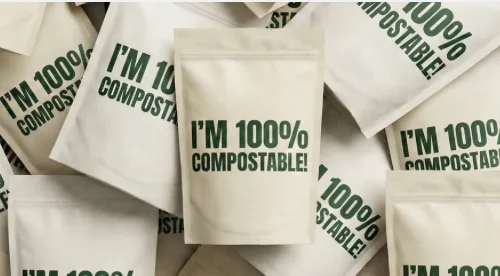
How to Choose Between Recyclable and Compostable Materials
A practical comparison of recyclable mono-material structures and certified compostable packaging pathways.
How2Recycle: More Than a Label
The familiar recycling label found on many packages is part of the How2Recycle program, not a government-issued symbol.

FSC: How the “Small Tree” Rewrote the Story of Forests, Brands, and Packaging
How the FSC mark connects everyday packaging decisions with forests, brands, and more responsible sourcing.
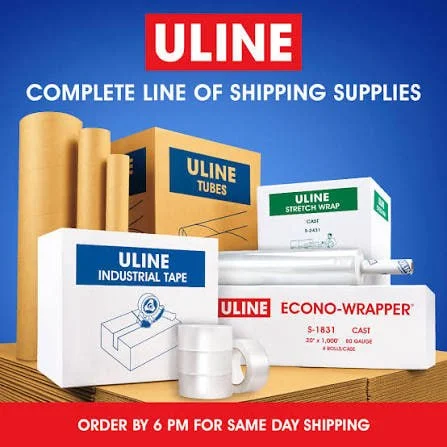
Why Are Brands Leaving Uline? When Standard Boxes Stop Being Good Enough
Why growing ecommerce brands move beyond standard supplies when packaging fit, shipping cost, and branded presentation begin to matter.
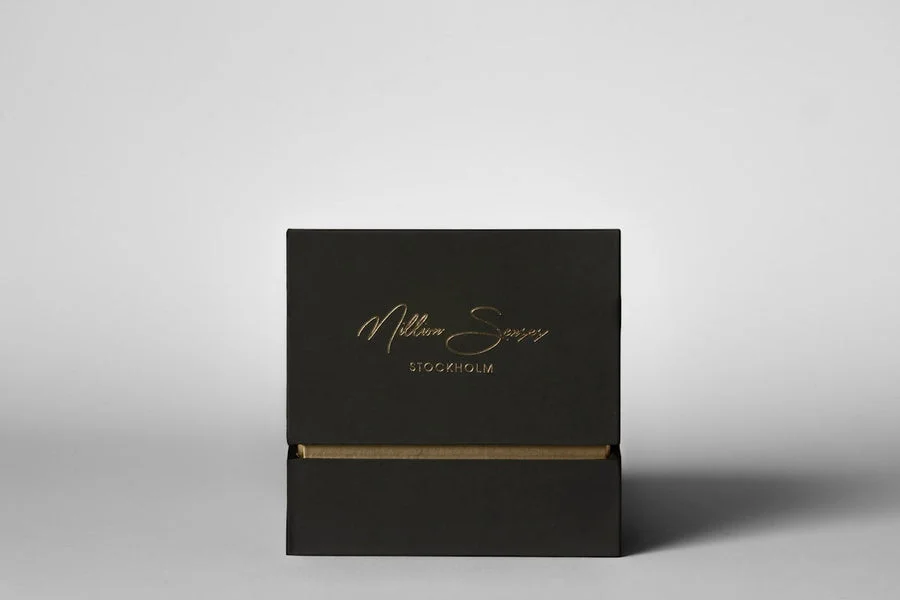
What Is a Rigid Box? Types, Materials & Uses
Explore common rigid box styles, materials, construction, premium use cases, costs, and the details to review before production.
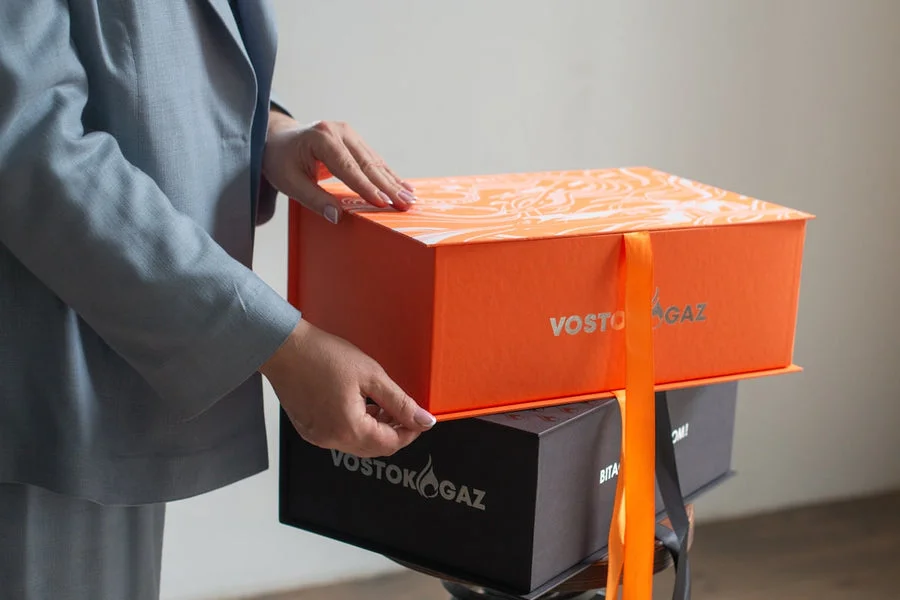
How to Design a Custom Rigid Box Step by Step
An eight-step process for defining a rigid box, selecting materials, preparing artwork, choosing finishes, and approving samples.

5 Best Rigid Box Styles for Subscription Boxes
Compare magnetic, lid-and-base, collapsible, book-style, and drawer rigid boxes for subscription products and recurring shipments.
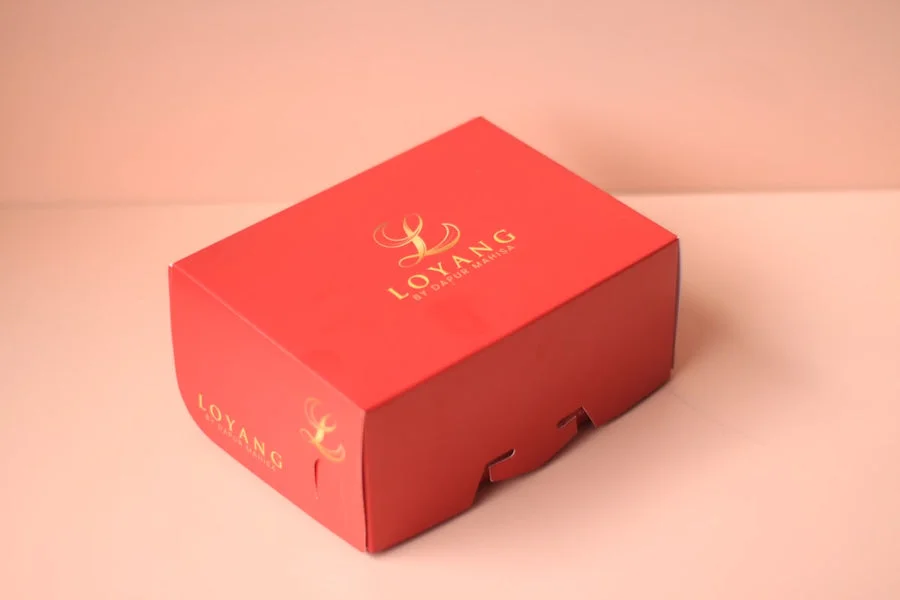
10 Rigid Box Packaging Ideas for Luxury Brands
Ten premium rigid box directions using structural choices, foil, texture, closures, inserts, and more sustainable material options.

How to Ship Multiple SKUs in One Box Without Increasing Damage or Shipping Cost
Use partitions, inserts, fit testing, and carton planning to keep mixed products stable without adding unnecessary size or cost.

Packaging the Impossible: Featured by Harvard Innovation Labs
The founder story behind Dylign and its shift from solving high packaging minimums to building a scalable packaging platform.
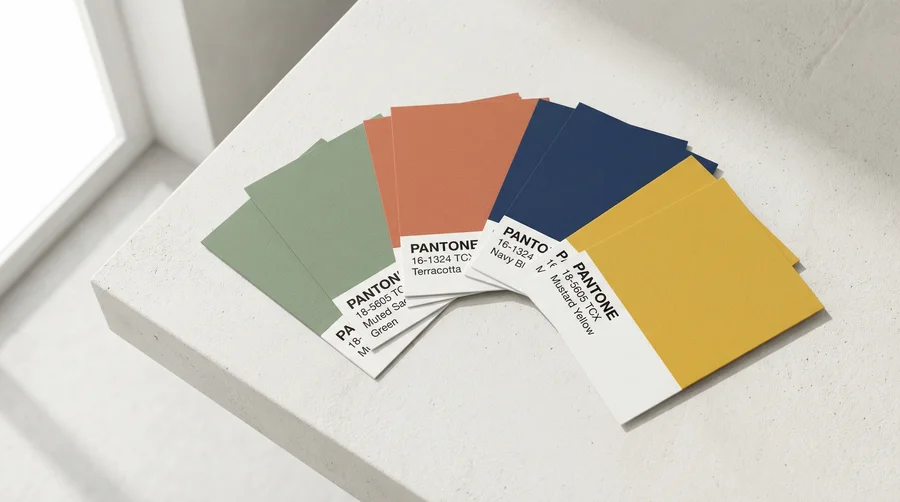
Why Does the Color Still Look Different, Even I Used the Same Pantone Color?
Why the same Pantone color changes across substrates, finishes, print methods, lighting, and production runs—and how to control it.
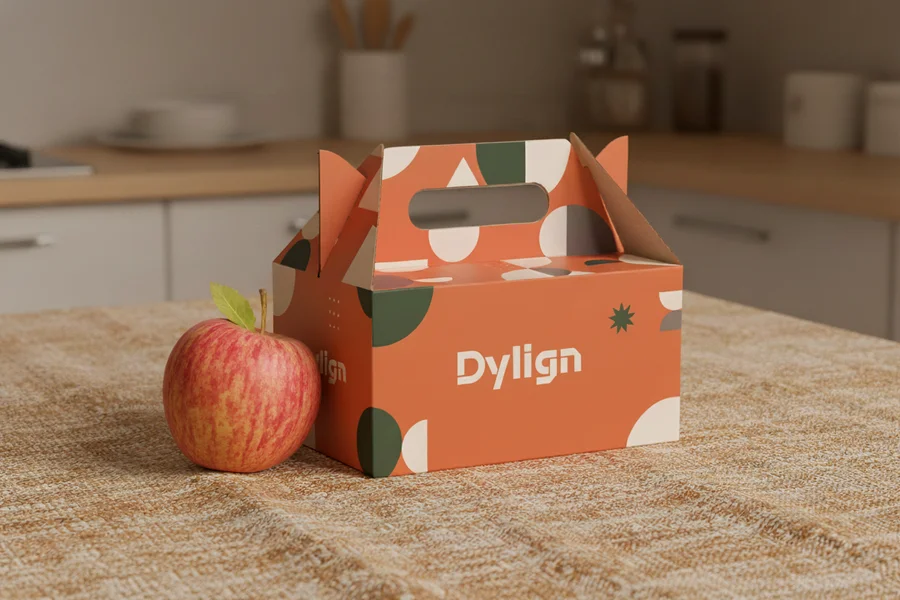
Is Food Packaging Safe? A Practical Guide for Food Businesses
A practical introduction to food-contact materials, coatings, adhesives, inks, migration risks, and the questions food brands should ask.
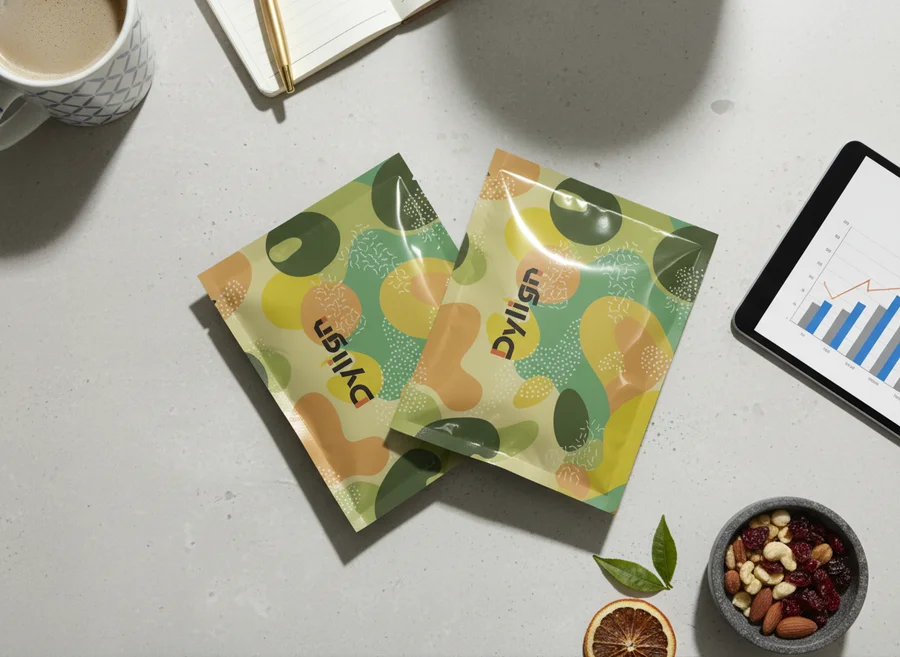
How Sachets, Stand-Up Pouches, and Gift Wrap Changed Brands’ Packaging Strategy
How sachets, stand-up pouches, and gift wrap evolved from functional containers into tools for access, branding, and customer experience.
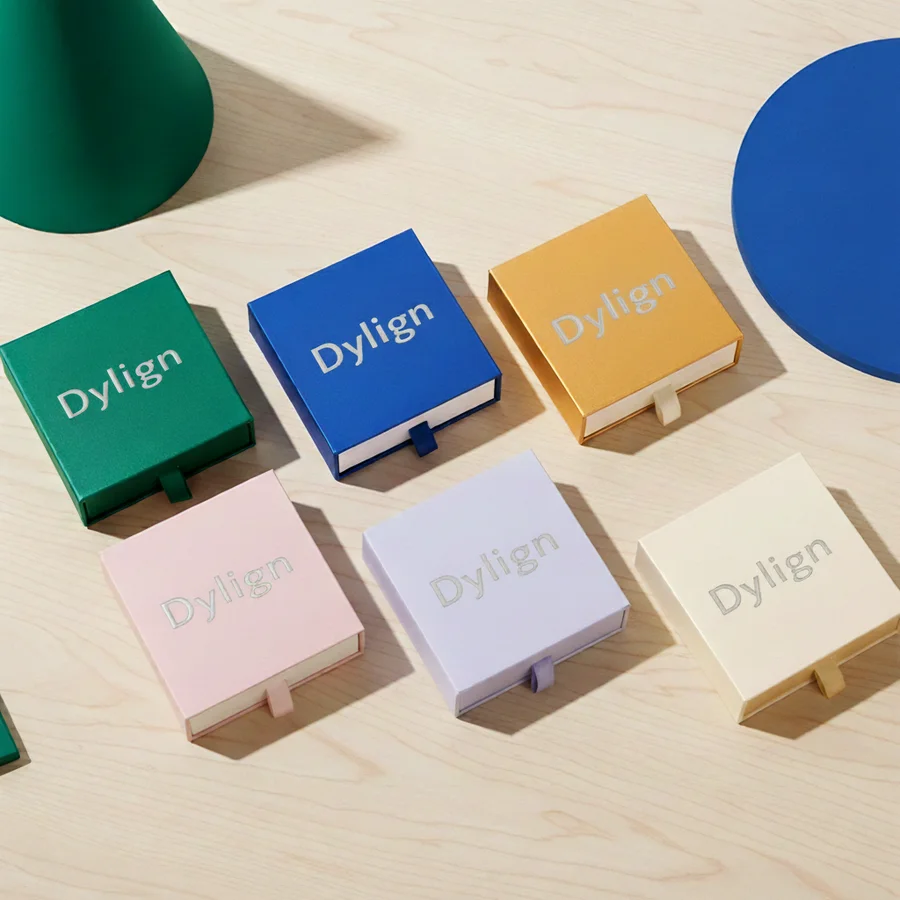
Pantone Colors Matter in Print Production and Packaging Design
Why Pantone standards matter in print production and how brands can translate screen color into repeatable physical packaging.

Welcome Offer