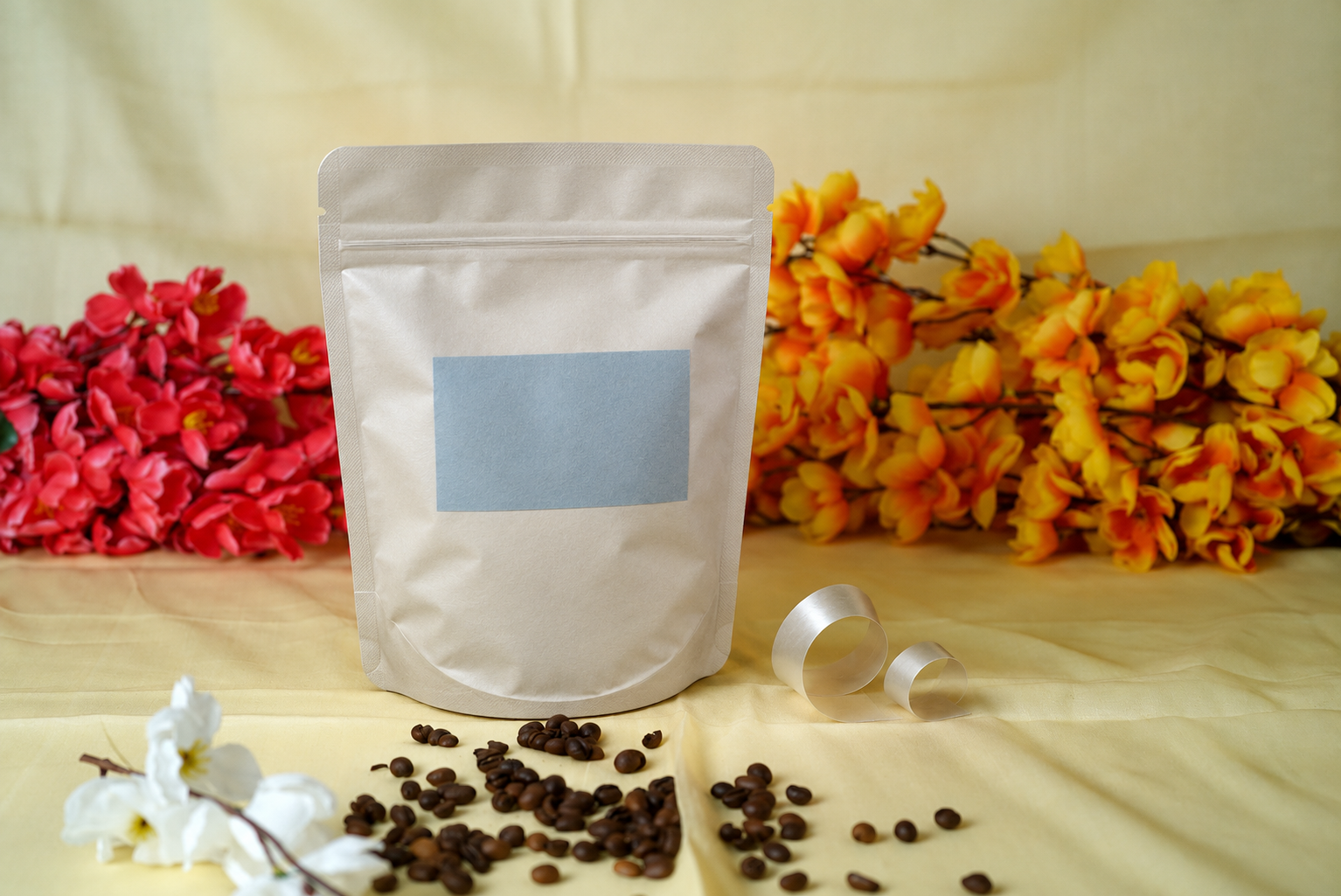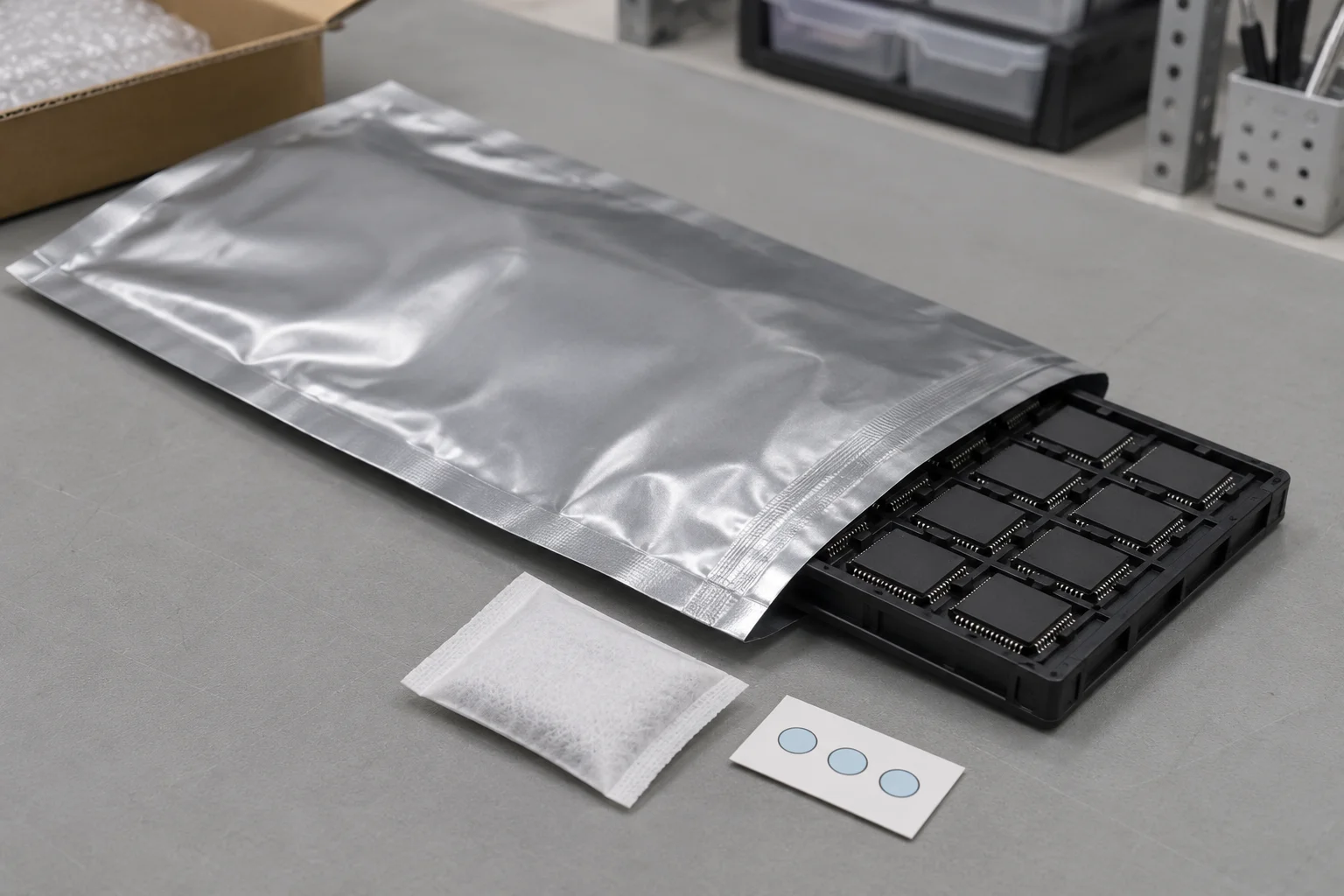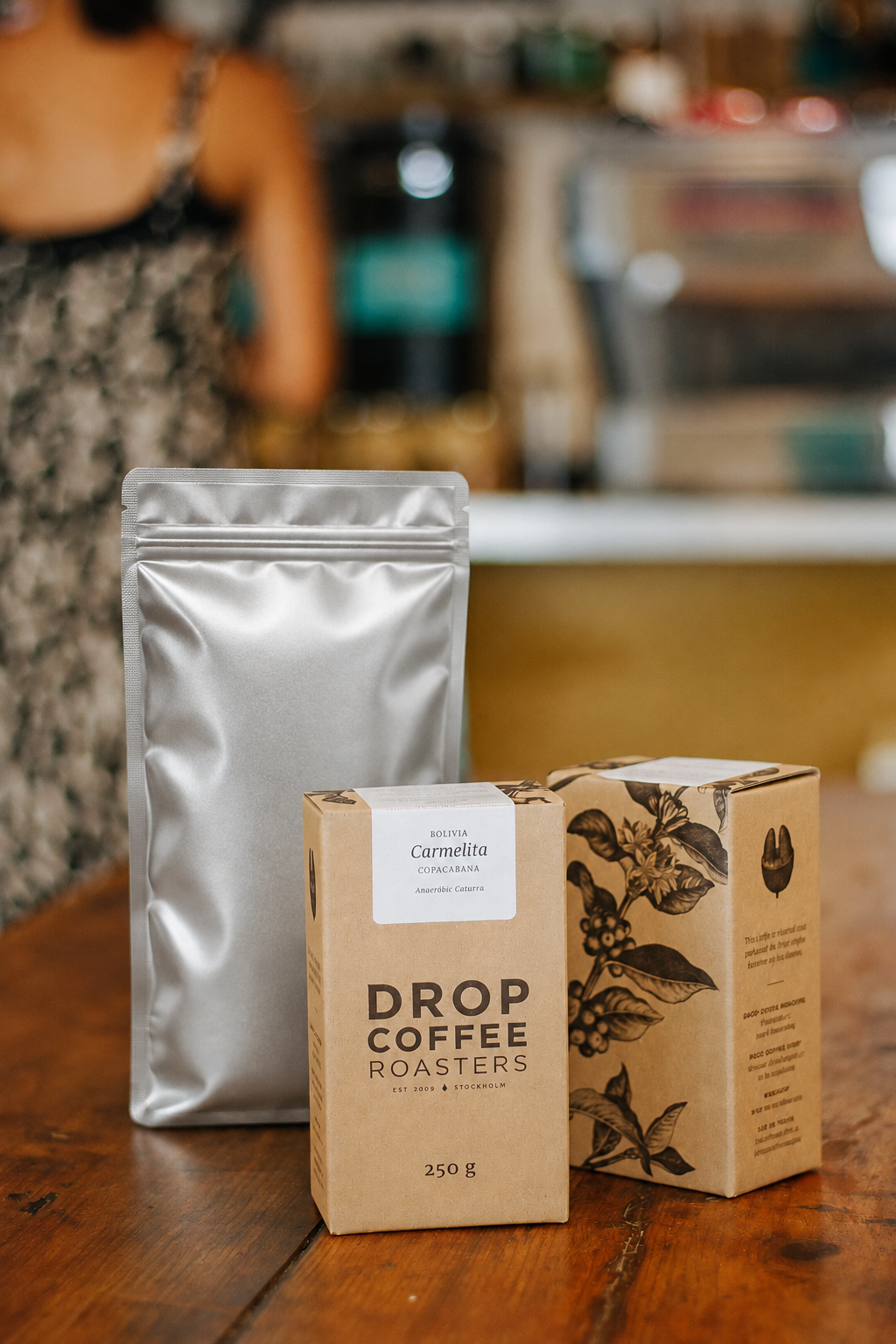
Two suppliers may quote a high barrier pouch with similar film thickness and a comparable oxygen transmission rate. One package can still fail during distribution while the other performs as expected. The difference may lie in a seal wrinkle, gusset geometry, repeated bending or a feature added during conversion—not necessarily in the flat laminate tested at the film plant.
That is the distinction between high-barrier pouch film and a finished high barrier pouch. For U.S. food, coffee and pet-treat brands, the practical buying question is how to turn film data into a reliable filled-package specification without overpaying for a barrier grade the product does not need.

A barrier claim needs an object and a condition
“High barrier” is a commercial description, not a universal pass/fail grade across all packaged goods. A pouch could be strong against oxygen but less resistant to water vapor, or opaque but poor at maintaining seal integrity. Its suitability depends on the product's oxygen and moisture sensitivity, shelf-life objective, filling conditions and distribution route.
A complete specification should identify exactly what has been tested: a flat film specimen, converted but unfilled pouch, sealed production sample, or filled package after transport simulation. These are not equivalent test objects.
For flat film, two widely used methods are ASTM D3985-24 for oxygen gas transmission rate and ASTM F1249-25 for water vapor transmission rate. The methods provide defined ways to measure properties; neither assigns an automatic acceptable OTR or WVTR to every food or pouch type.
From film roll to pouch: where the specification can change
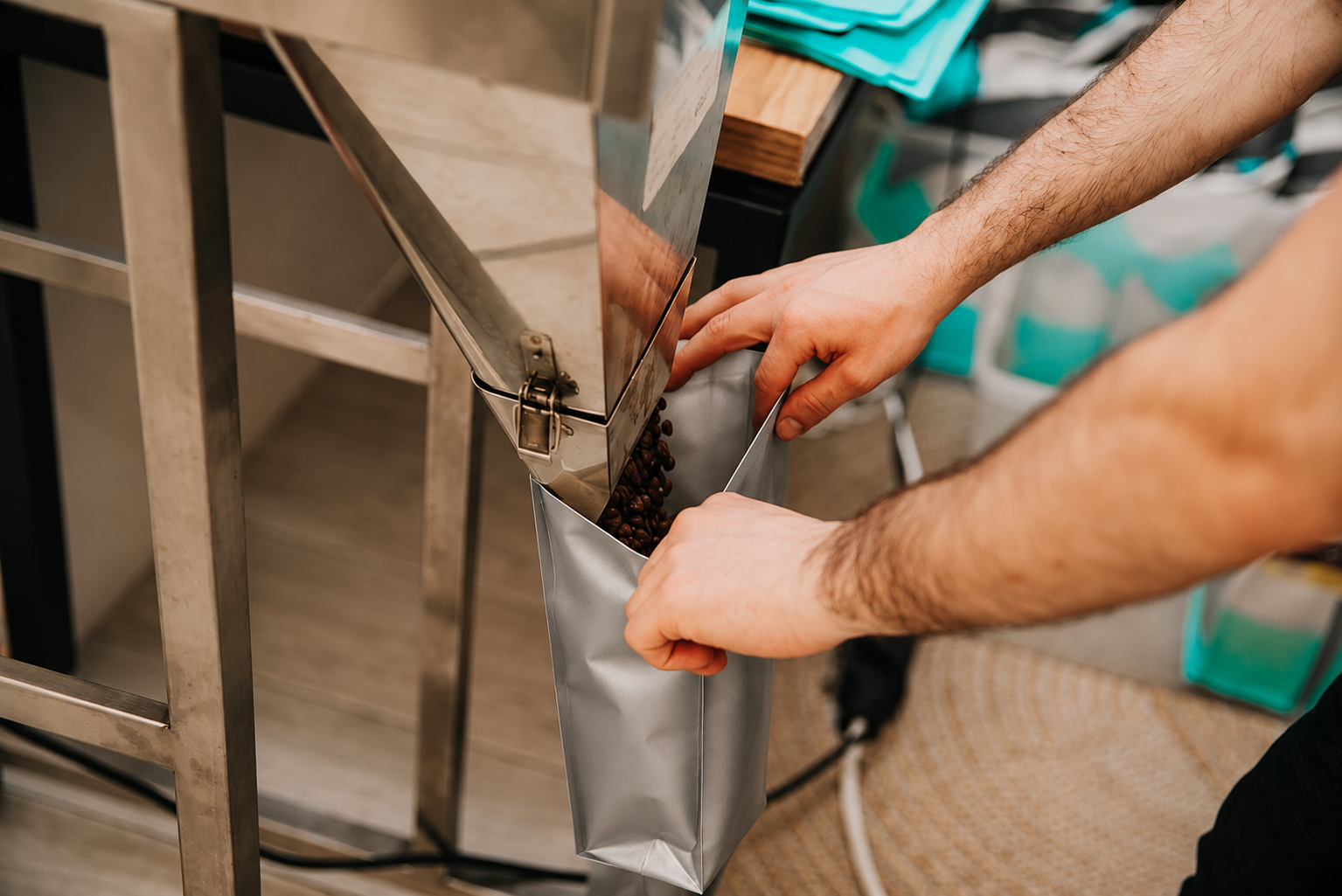
A film converter may print, laminate, slit, fold, form gussets, weld seals and add zippers, spouts or valves. Each step has a reason, but each also creates a potential difference between material specification and real package behavior.
The packaging team should explicitly review:
Film qualification: the laminate structure, thickness tolerance and barrier reports under defined conditions.
Conversion: resistance to flexing, creasing and abrasion after pouch forming and distribution handling.
Sealing: the process window on the chosen equipment, filled-product contamination risk and seal strength.
Added features: whether valves, windows, zippers or other attachments create a different transfer or leakage pathway.
Product validation: stability and shelf life with the real fill, headspace, storage and distribution conditions.
ASTM F88/F88M-23 provides a quantitative method for flexible-barrier seal strength. The key procurement point is to agree on sampling and acceptance criteria for the actual production package, not to treat a standard's title as a certificate.
What does high-barrier pouch film contain?
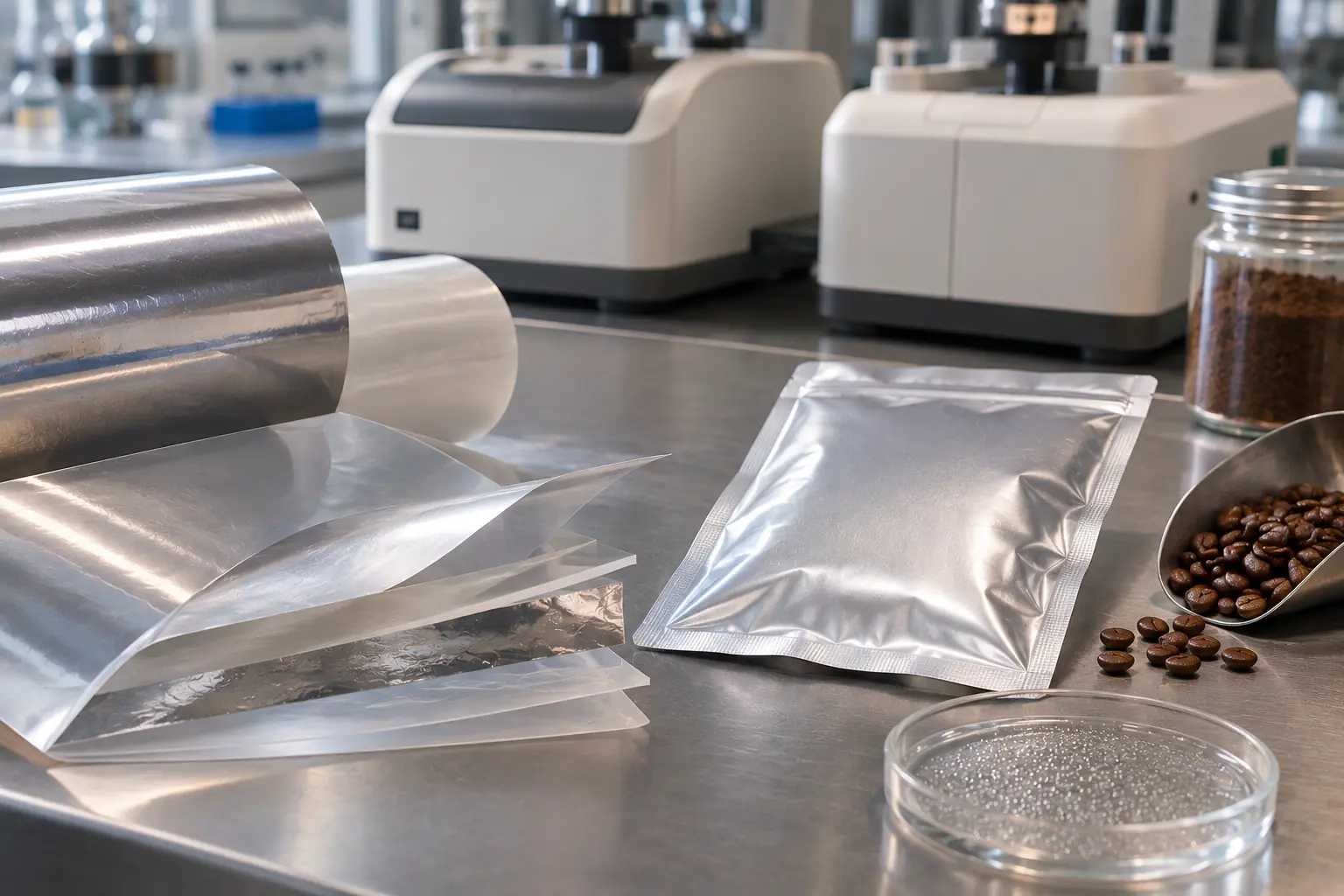
High-barrier films are often multilayer structures in which each material performs a different job. The table below is a design comparison, not a universal ranking; performance varies by film grade, layer thickness and final construction.
Film component | Why designers use it | Main qualification question |
|---|---|---|
Aluminum foil | Strong barrier to gas, moisture and light while intact | Will folding, puncture or handling damage the foil? |
Metallized PET | Enhanced barrier with a thin deposited metal layer | What barrier remains after converting and flexing? |
EVOH | Strong oxygen resistance under suitable conditions | What happens at expected relative humidity? |
PET | Printing support and mechanical strength | Which additional layer supplies the required barrier? |
PE or PP sealant | Contact layer and heat sealing | Does it seal consistently with the real fill and equipment? |
Transparent oxide coating | Barrier with visibility | Does the coated structure withstand pouch forming? |

An EVOH-containing design, for example, should not be assessed using a single dry-condition oxygen value when the product's actual exposure could be humid. ASTM F1927-20 addresses oxygen transmission under controlled relative humidity and explains why humidity matters to many barrier materials.
Likewise, a visually opaque foil pouch may still require puncture and handling evaluation. Material selection is a hypothesis about performance until the whole structure has been tested for the intended use.
Choose the package format after understanding the product
A stand-up pouch, flat-bottom pouch, flat pouch and stick pack can each incorporate high-barrier material. The shape alone does not supply oxygen or moisture resistance. It changes how the film is folded, how seals are made, how the package is filled and how it moves through the supply chain.
Dylign's stand-up pouch guide, flat-bottom pouch guide and stick pack guide describe format-level trade-offs. Here the decision is different: after identifying a suitable physical format, does the selected high-barrier pouch film still perform once formed into that geometry?
For nuts and oily snacks, oxidative stability and seal contamination may be central. For hygroscopic powders, humidity protection and clean filling may dominate. For pet treats, handling and puncture resistance can join the barrier requirements. A format used for one category should not be transferred to another solely because both are called “high barrier.”
OTR and WVTR: similar units can hide different tests
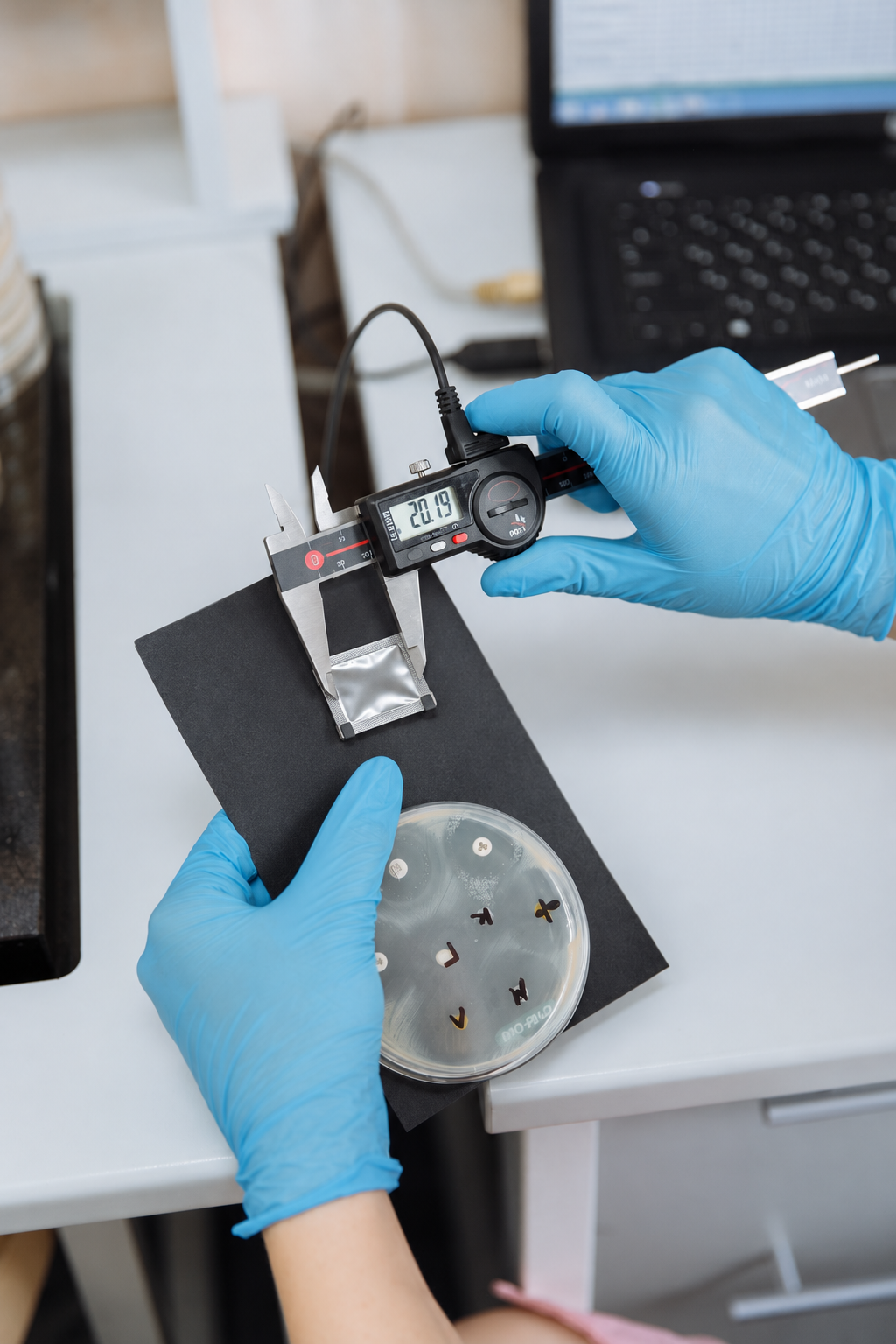
OTR is commonly reported as cm³/m²/day, while WVTR is often reported as g/m²/day. A lower value indicates less transmission under comparable test conditions. Temperature, humidity, method and sample construction still need to match. Conversions between film-area units are possible; converting different test environments into equivalent performance is not a simple unit calculation.
An additional mistake is reading film-level OTR and WVTR as direct shelf-life predictions. Shelf life also depends on fill atmosphere, headspace, residual moisture, closure, temperature and product chemistry. The test reports help engineering choose candidates; a product study must validate the proposed shelf-life claim.
Buyers can improve quotations by asking each supplier to complete the same comparison template, rather than accepting marketing sheets that omit test conditions. The response should show material structure, nominal total thickness, OTR/WVTR with methods and environments, seal parameters, package format, batch traceability and whether values apply to film or finished packages.
What about food contact and recycling claims?
For U.S. food-contact applications, the material's intended use matters as much as its barrier number. The FDA's food-contact material guidance explains that the status of each relevant substance and its conditions of use affect the regulatory status of the complete article. Request appropriate supplier documentation for the final construction, including adhesives and other components where relevant.
A recyclable high-barrier design also needs claim review. A predominantly PE or PP structure may be developed with recovery in mind, but the finished pouch can include coatings, printing, attachments and other features that complicate collection and processing. The FTC's environmental marketing guidance is a starting point for U.S. claims; a materials concept or supplier “recycle-ready” label is not by itself evidence of widespread practical recyclability.
A better approval gate for buyers
Before placing a production order, write one decision statement: This filled pouch will protect this product under these storage and distribution conditions for the proposed commercial life, using this filling and sealing process. Then determine what evidence could make the statement true—or disprove it.
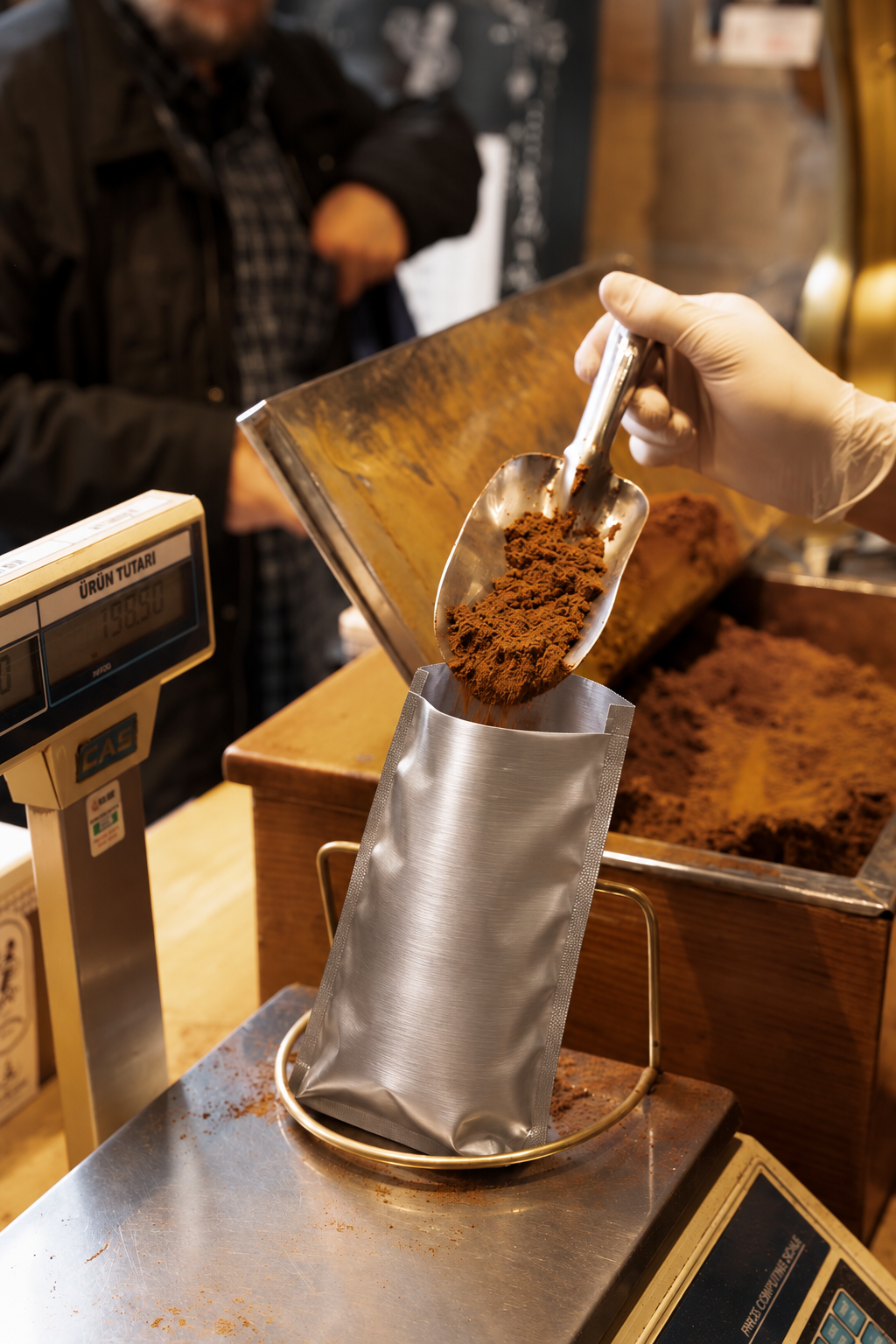
A useful approval package includes a signed material specification; actual barrier reports; filled-sample dimensions and appearance; seal and leak performance; a trial on intended equipment; applicable food-contact documentation; and a product shelf-life protocol. Where shipping or transit damage is relevant, validate the complete distribution unit as well.
The cost comparison should include film usage, conversion yield, filling efficiency, defects, rework, freight and the cost of product loss. A more expensive laminate may be justified if it enables a meaningful and demonstrated improvement. An unnecessarily high barrier, however, can add cost and material complexity without improving the consumer's experience.
What this means for CPG leaders
Assign packaging engineering responsibility for the film-to-pouch performance specification, quality responsibility for the acceptance and shelf-life program, and operations responsibility for filled-line trials. Procurement should normalize supplier quotes to the same performance object and compare total costs, while marketing should avoid making shelf-life or environmental promises that go beyond validated evidence.
Bottom line: A high barrier pouch is a finished product-protection system. High-barrier pouch film is an important input, but the specification is not complete until converting, sealing, filling and distribution have been considered.