 100 MOQ
Custom Tea Bags
Custom tea bags designed to help protect aroma and freshness,support repeated opening, and create a clean, stable shelf presence
Plan custom tea packaging around leaf form, moisture and aroma sensitivity, packed volume, repeated opening, and retail presentation before choosing a custom stand-up pouch for your tea line.
From 100 Units
Sustainable Options
Instant Quotes
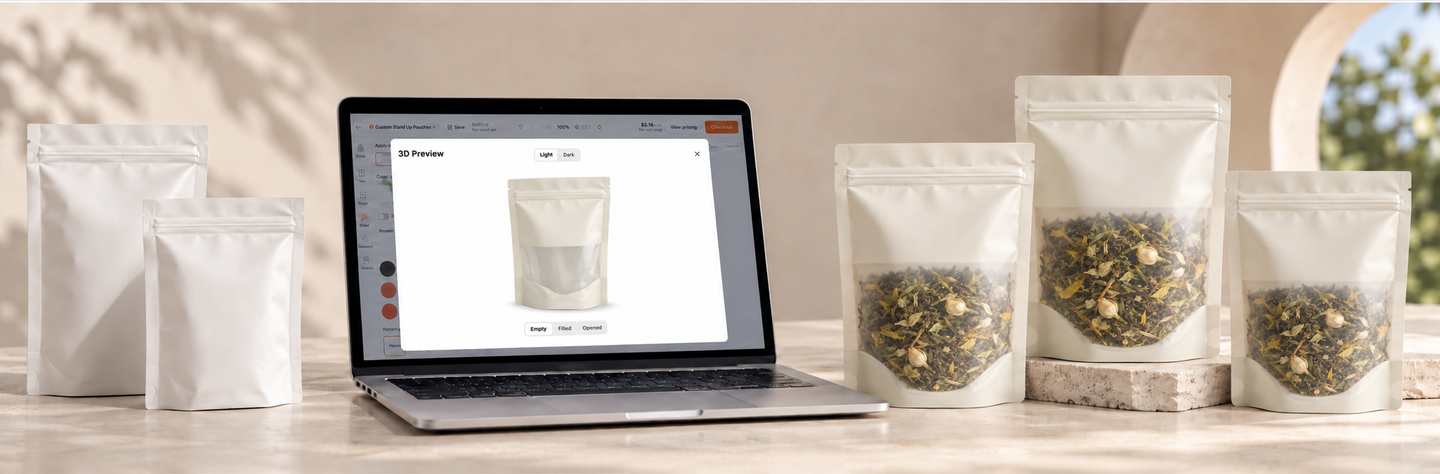
3D Design Preview
Tea packaging has to protect products that vary from airy whole leaves to dense matcha and wrapped sachets. Moisture, oxygen, light, and surrounding odors can affect quality, while bulky leaves change usable volume and zipper clearance. The package also has to keep blend, origin, caffeine, brewing guidance, and required information easy to scan across retail and DTC.
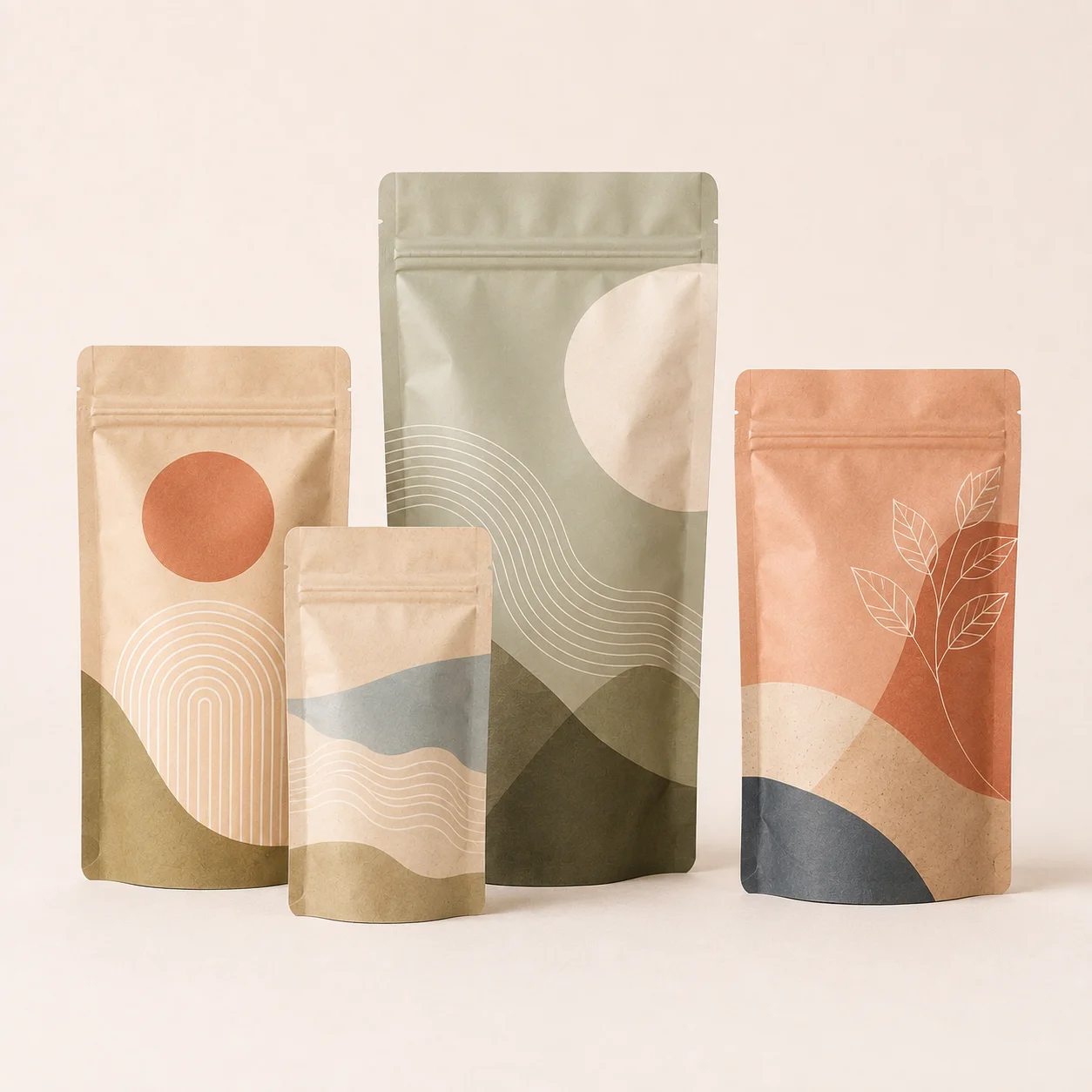
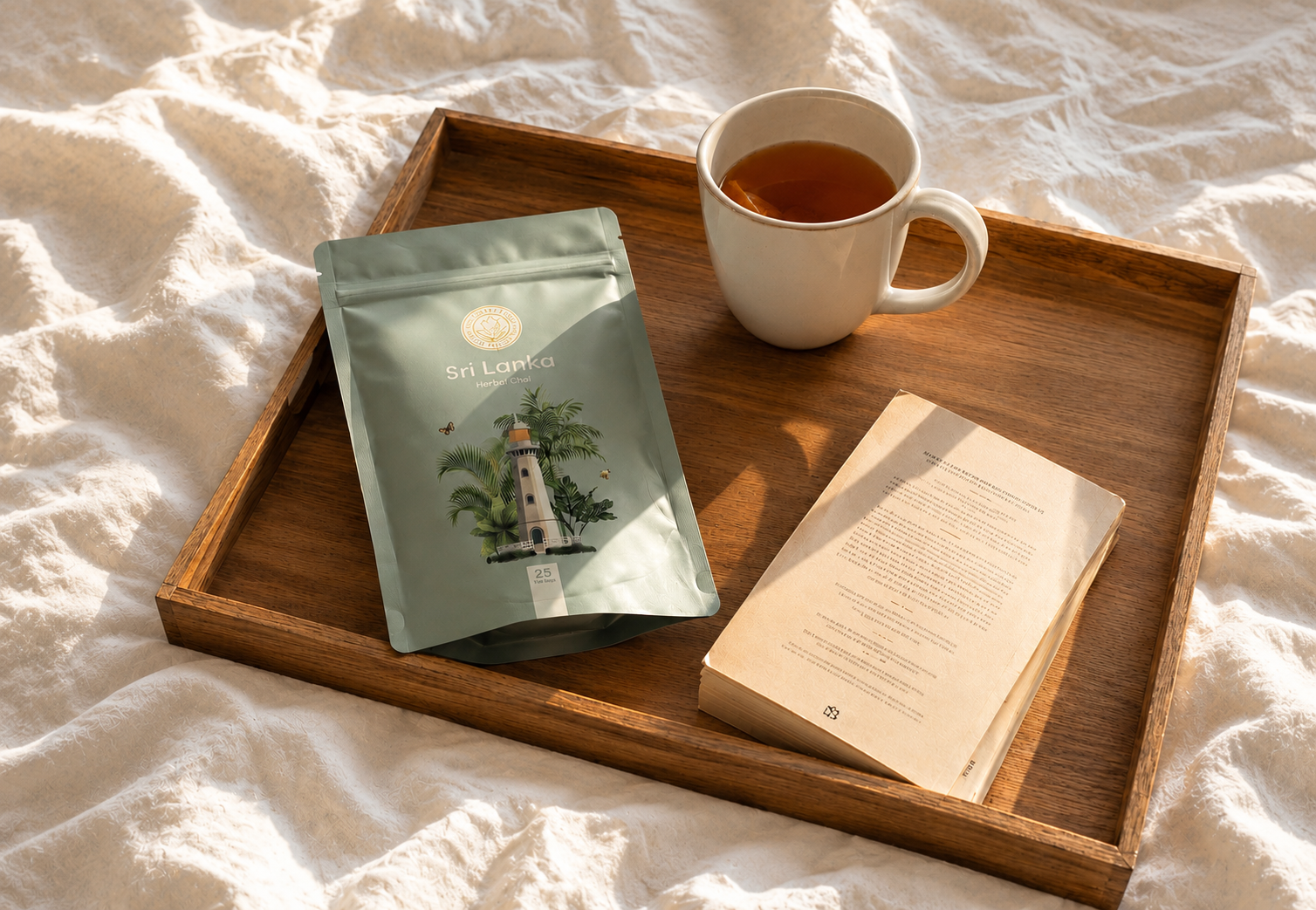
A custom stand-up pouch can serve as the primary package for loose-leaf tea, matcha, herbal blends, or sachet multipacks when its size, bottom structure, film, barrier, seals, and optional closure match the product and filling process. Opaque print coverage can support light-sensitive teas; a window may support visibility when compatible with the chosen barrier. Final shelf-life and material claims require project-specific verification.
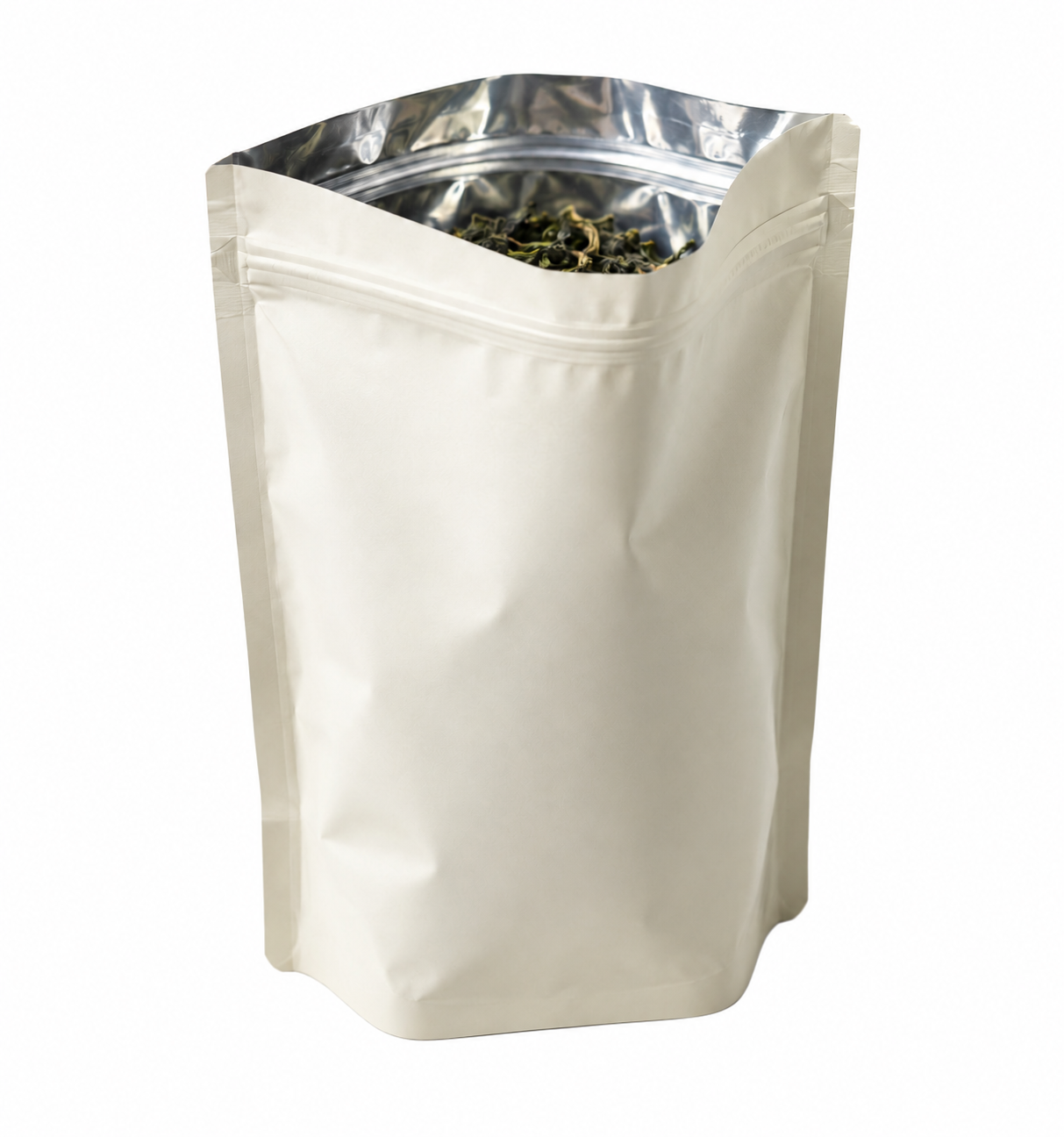
Whole leaves, flavored blends, and fine powders can have different sensitivity to moisture, oxygen, light, and surrounding odors. Match the film and seals to the tea, storage conditions, and target shelf life, then verify the final construction.
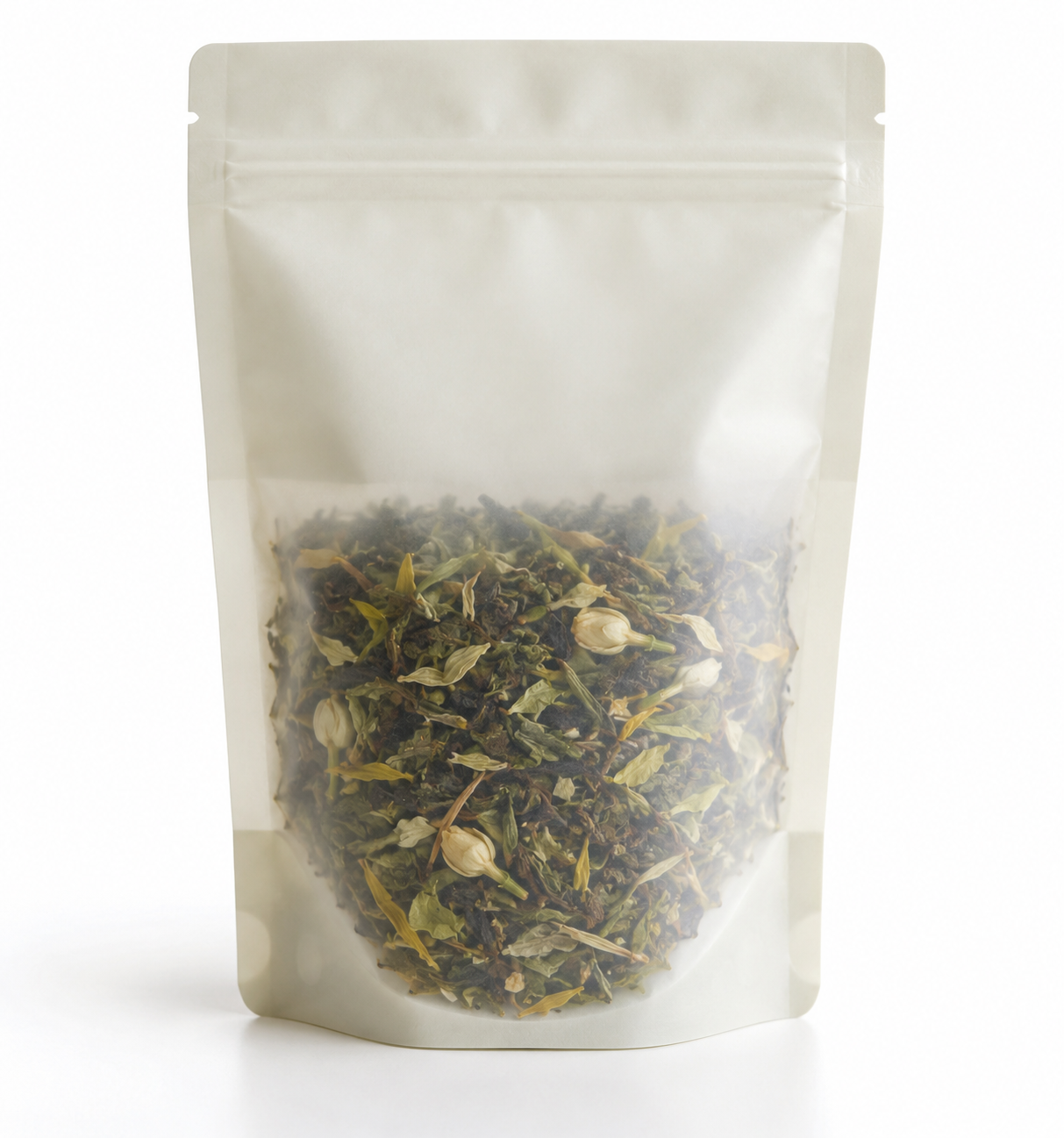
Tea weight alone does not determine pouch size because leaf density, powder volume, sachet thickness, and headspace vary. Test the actual fill so the bottom opens correctly and product stays clear of the zipper and seal areas.
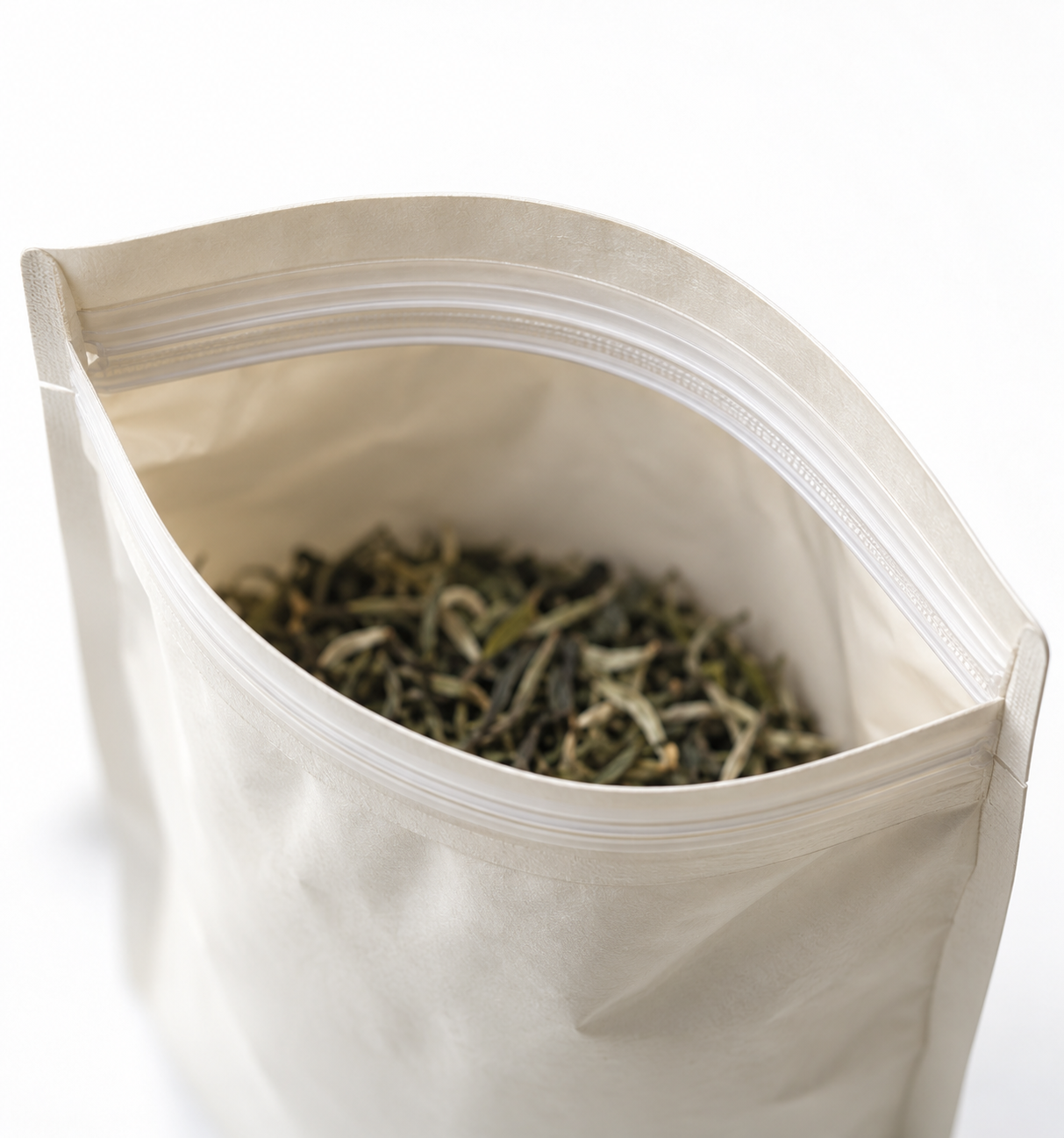
Multi-serving tea may benefit from an available zipper that helps customers close the pouch between brews. Confirm the opening sequence, closure type, fill level, and powder or leaf behavior for the selected product.
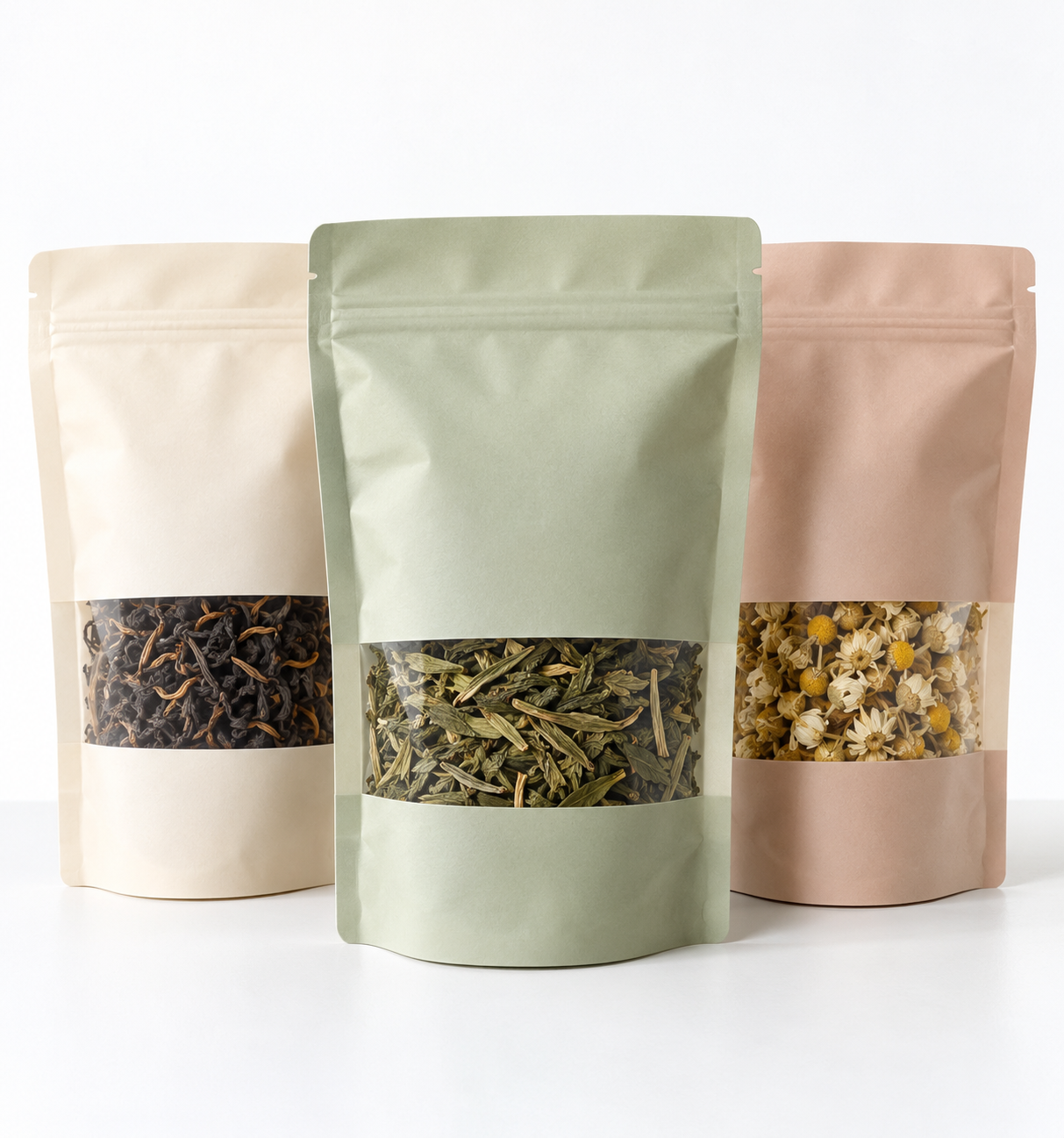
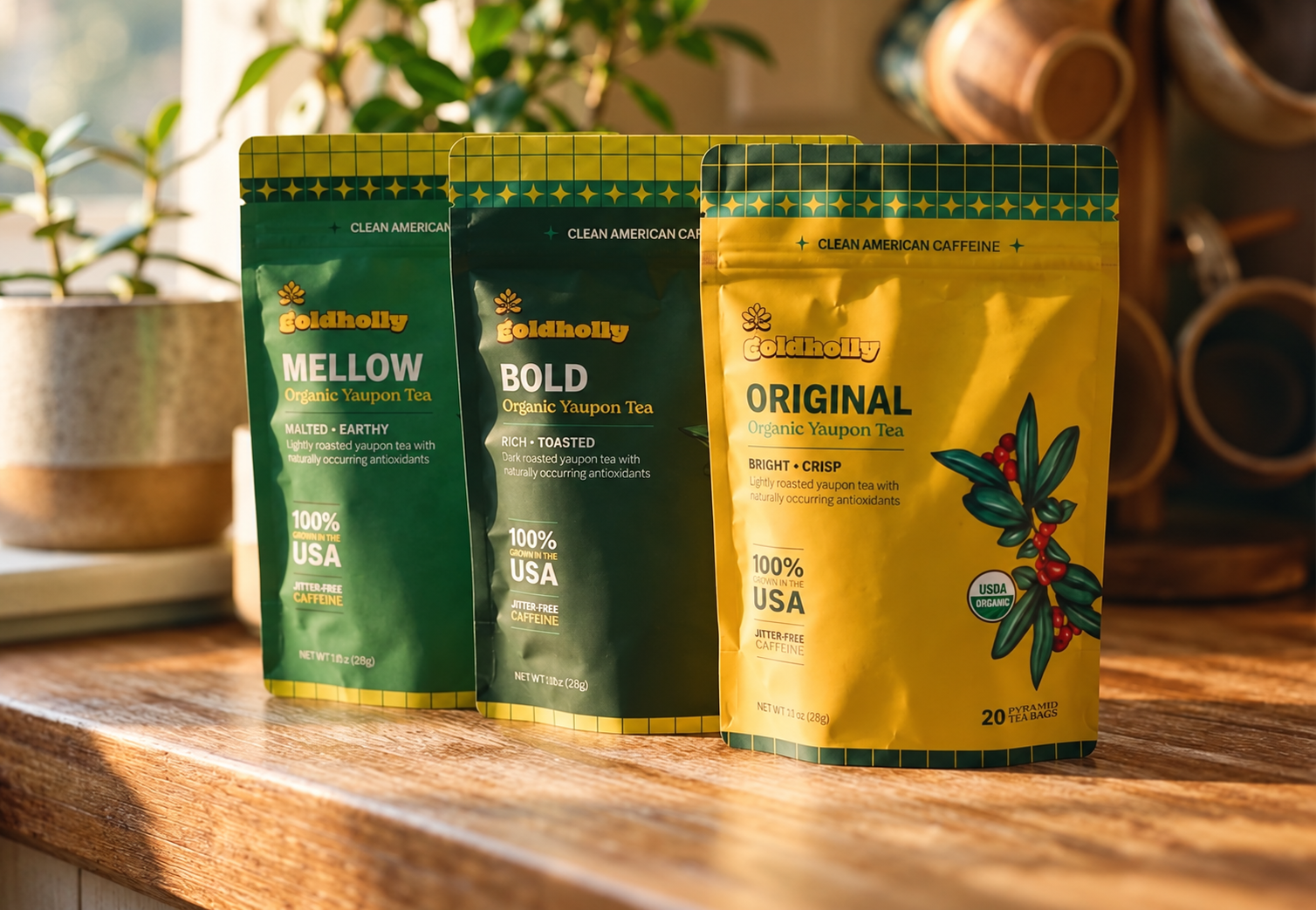
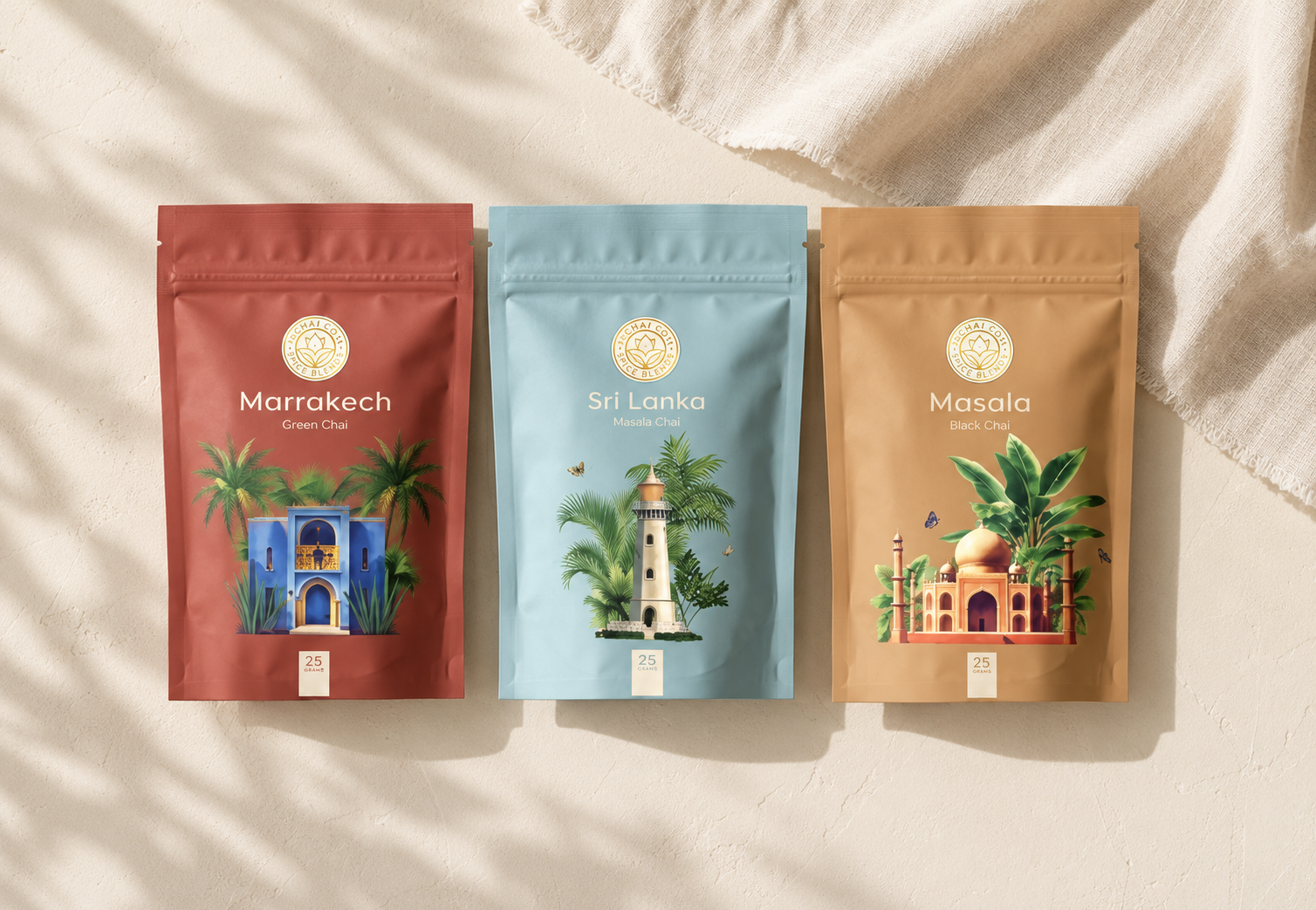
Use a consistent design system with clear tea type, blend name, origin or flavor cues, caffeine status, and brewing information so shoppers can compare options quickly while recognizing one brand family.

Start with a focused blend range, test the real fill in the pouch, and review artwork, barrier, closure, and shelf stance before expanding into more SKUs.

Plan front-panel recognition, blend navigation, brewing and required-information space, filled shelf stance, case-pack dimensions, and any retailer-specific display or handling requirements.

Balance pouch presentation with parcel space, puncture and compression exposure, subscription rotation, pack-out, and an opening experience that remains consistent across tea varieties.

Use one pouch structure and a coordinated artwork system for limited blends, then confirm quantities, version control, launch timing, and whether each tea changes the fill volume.
Test a product, not a warehouse

Stop waiting 2 days for a quote

See every angle before you order

Recyclable and compostable options across all SKUs

Direct savings, back into your product
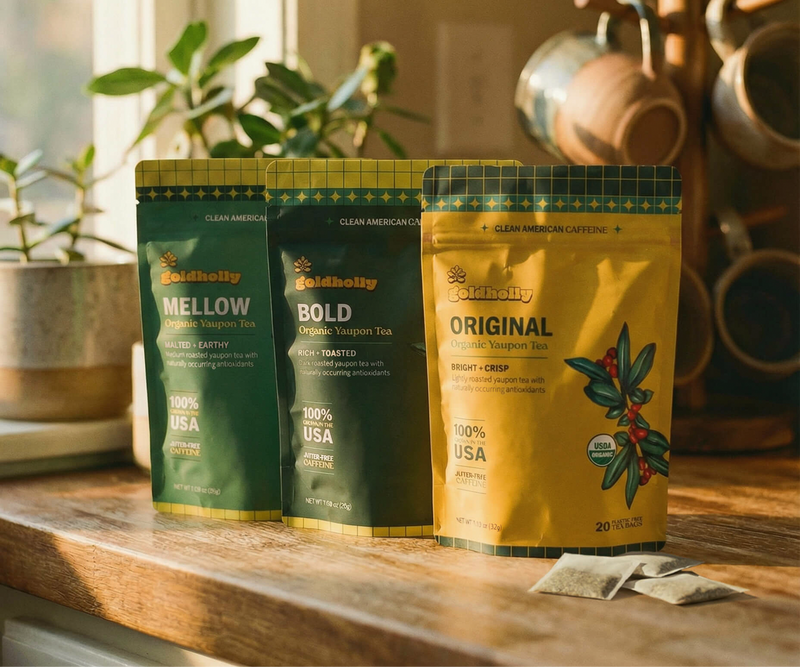
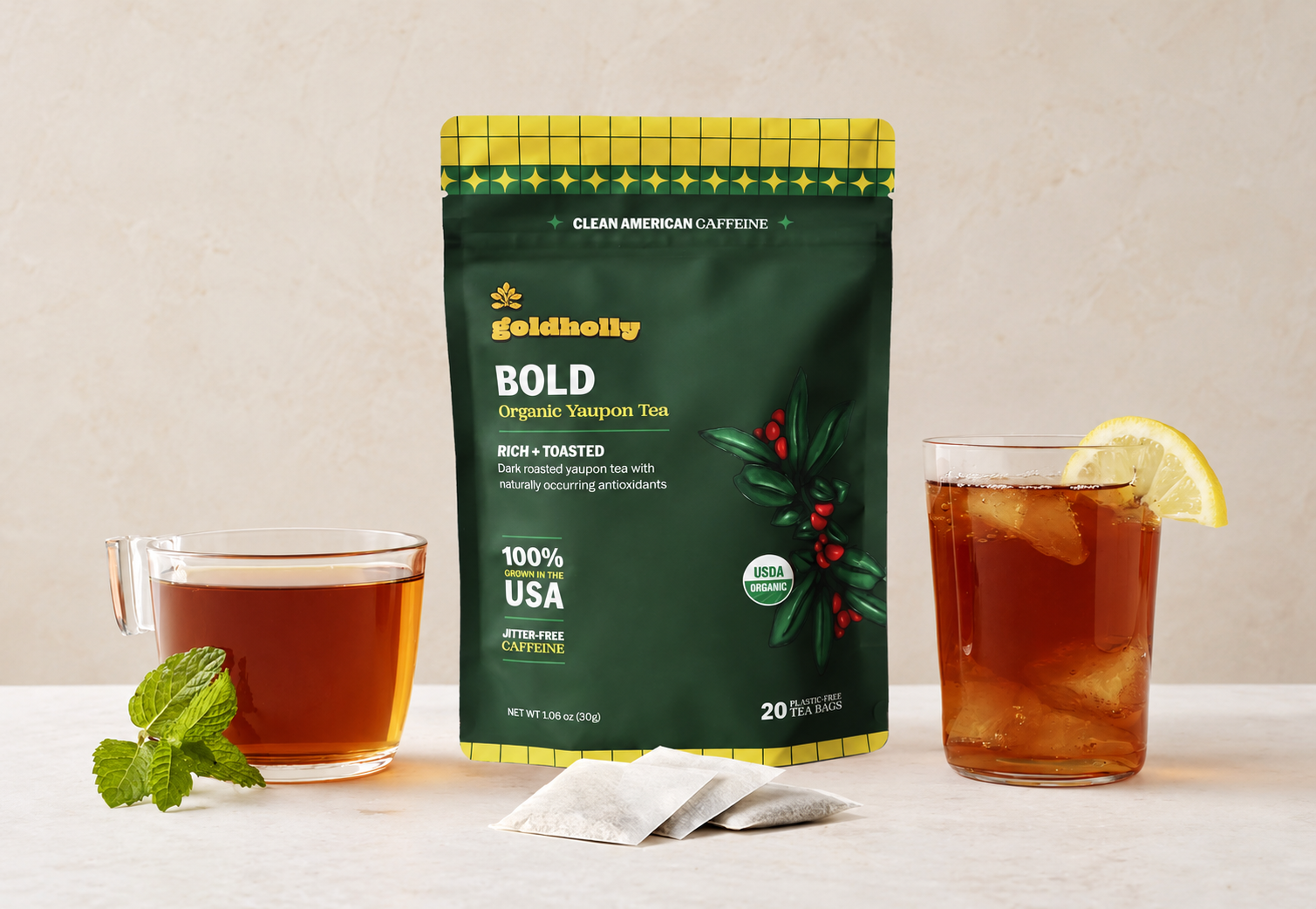
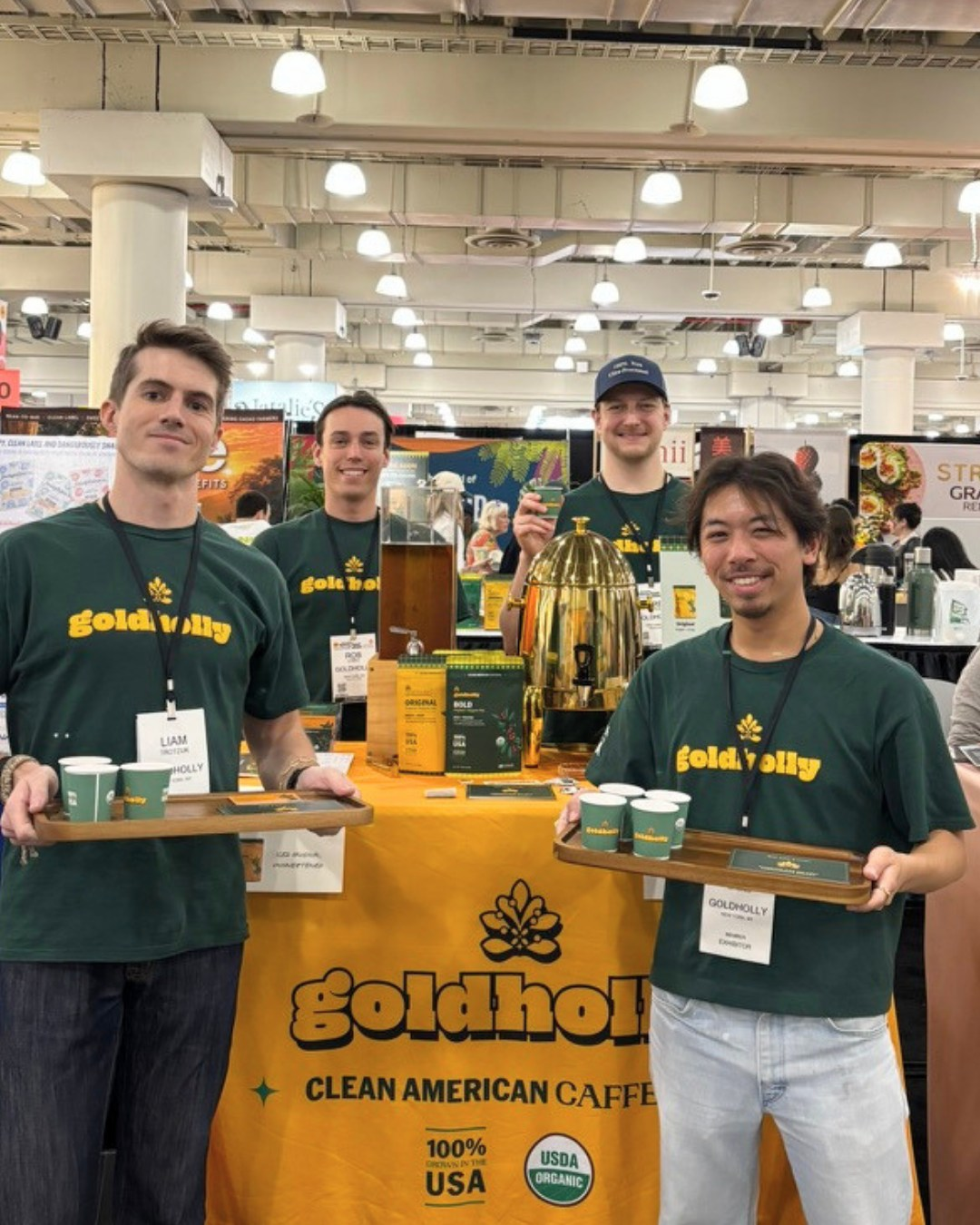
Dylign didn’t just make us a better pouch. They made the whole packaging process easier to scale.
Read the Goldholly Story →
Step 1: Generate a production-ready dieline from the product configuration you selected. The dieline includes the trim and crease lines needed for production.
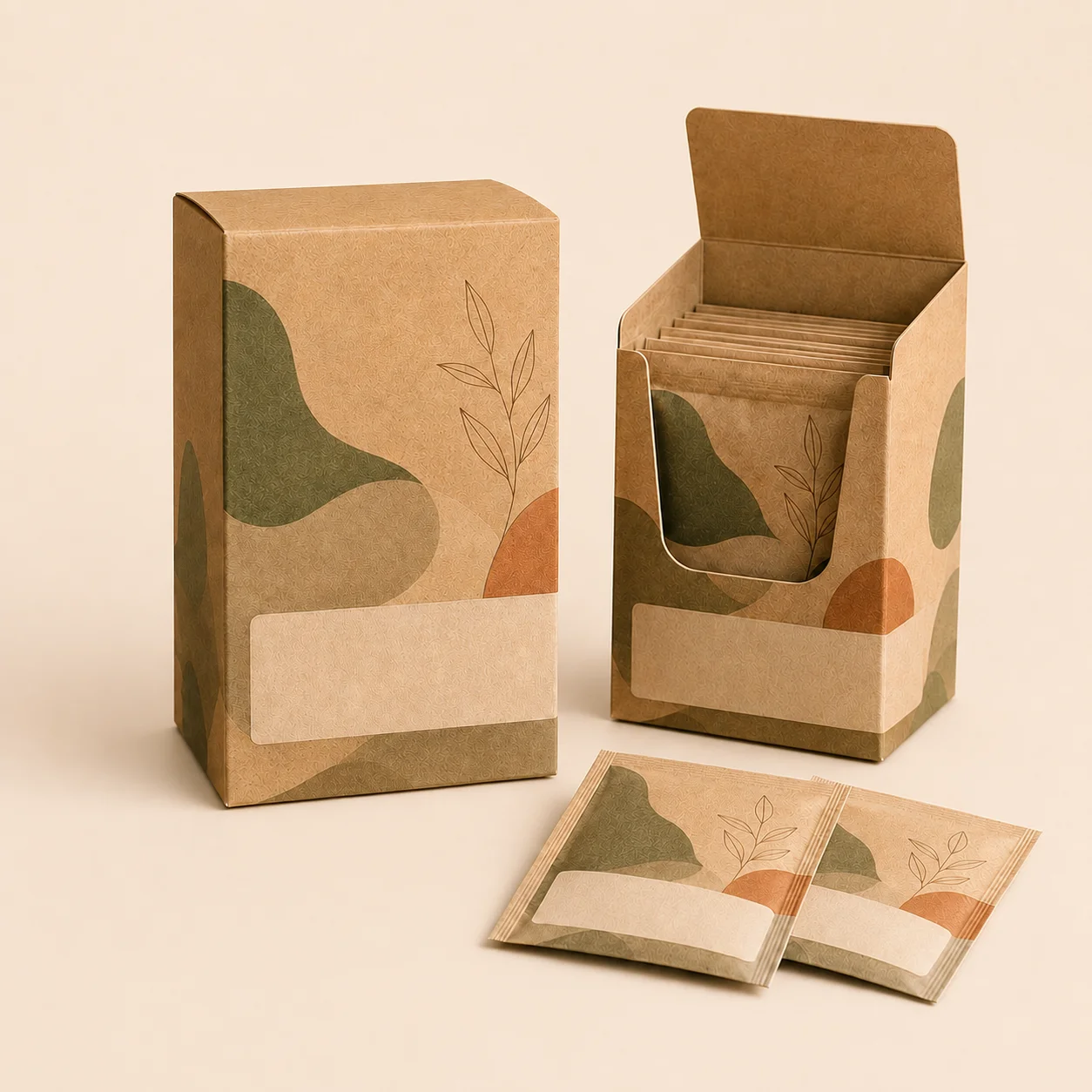
Choose custom tea bags for loose-leaf tea, matcha, and blends that need barrier protection, or custom tea boxes for sachets and sealed inner packs that need organized retail presentation.




For loose-leaf tea that customers open repeatedly, a resealable pouch with the right barrier is usually the practical choice. The exact structure depends on the tea’s aroma and moisture sensitivity, target shelf life, fill process, and storage conditions. A zipper helps with repeated opening, but freshness still depends on the film structure and the primary seal—not the zipper alone. This directly reflects a recurring Reddit question about whether opened tea needs airtight storage.
Size the carton from the actual sachet or envelope dimensions and pack count, not a standard “tea bag” size. Include tags, strings, pyramid height, stacked thickness, and the way the sachets settle when packed. Larger or unusually shaped sachets are a real fit problem for users, so confirm the complete pack-out before production rather than scaling from a generic tea-box template.
Not necessarily for freshness, but a carton can still add useful secondary packaging. Individually sealed sachets may already provide the required primary protection, while the tea box organizes the count, creates a retail-facing panel, and carries brewing or product information. If the tea bags are not individually sealed, do not assume the carton alone provides the required aroma or moisture barrier.
Yes, especially when several blends can share the same approved size, material, and structure. Dylign’s tea packaging starts from 100 units, which can make smaller launches, seasonal blends, or early retail tests more practical. Different structures, sizes, or artwork specifications may have their own minimums, so compare the SKUs together before deciding which elements to standardize. Current tea-packaging discussions also frame low MOQ as useful for testing multiple blends before scaling.
Test the complete filled package with the real product. For pouches, check usable volume, headspace, closure, seal area, bottom expansion, and repeated opening. For tea boxes, check sachet stack, tags or strings, closure fit, panel bowing, and removal. For both, review artwork placement and the final pack-out under its intended retail or shipping conditions before approving production. Current tea-packaging guidance similarly emphasizes testing the actual filled format rather than relying only on a template.
Choose based on what needs to protect the tea and what needs to present it. A flexible pouch can serve as the primary retail package for loose-leaf tea, matcha, or blends that need barrier protection and repeated opening. A tea box works well as secondary packaging around sealed sachets or another primary pack. Some products use both when they need freshness protection plus stronger organization, gifting, or shelf presentation.
The sales channel should influence the pack-out, not just the artwork. Retail packs need a stable shelf footprint and product information that is easy to scan. DTC packaging should also account for shipping footprint and handling. Gift or seasonal collections may benefit from a carton around sealed primary packs. Start with the channel, then confirm the pouch or box using the real product and final selling unit.
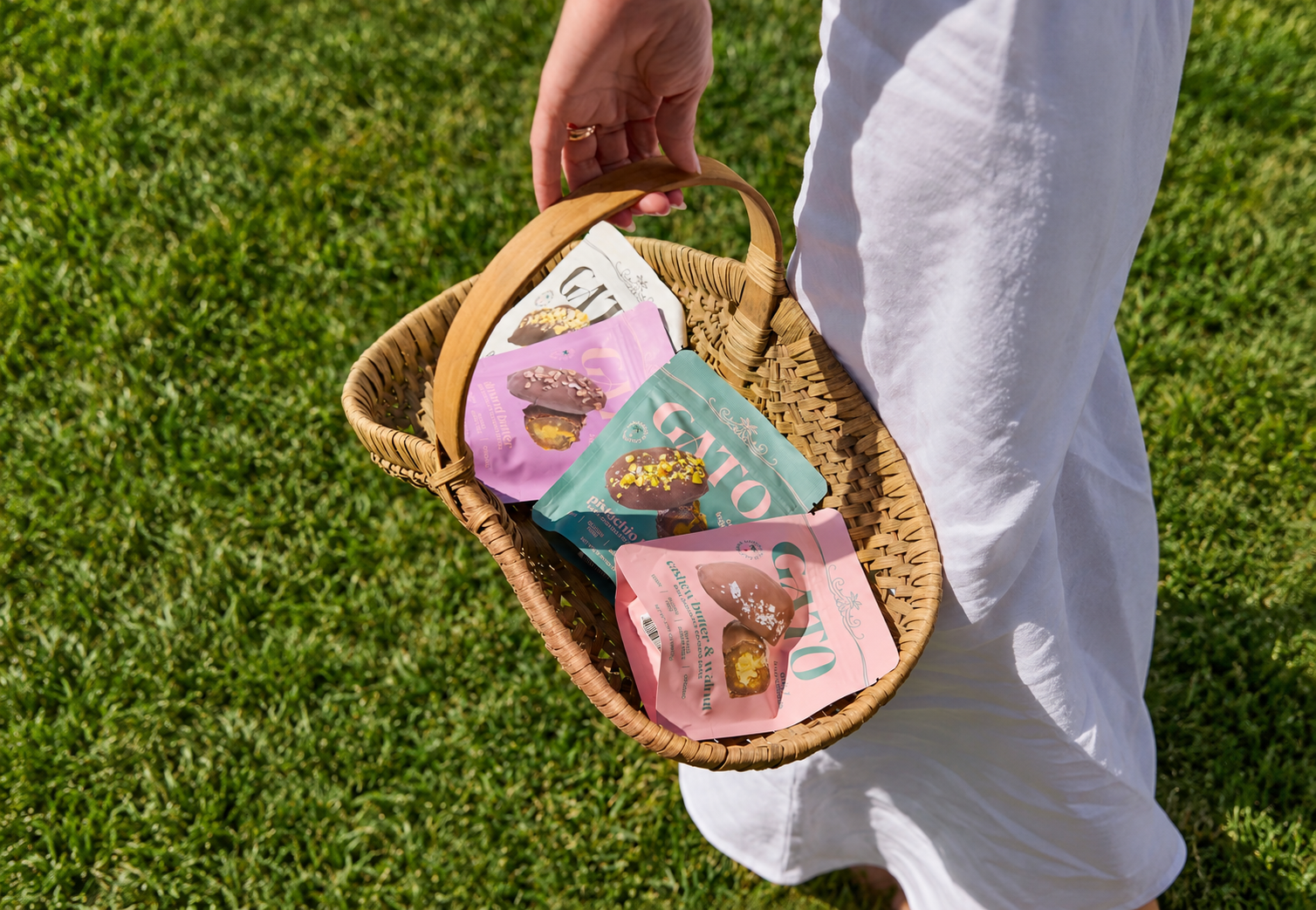
Custom chocolate packaging built around product protection, portioning, and shelf presentation—from wrapped chocolates and truffles to gift assortments
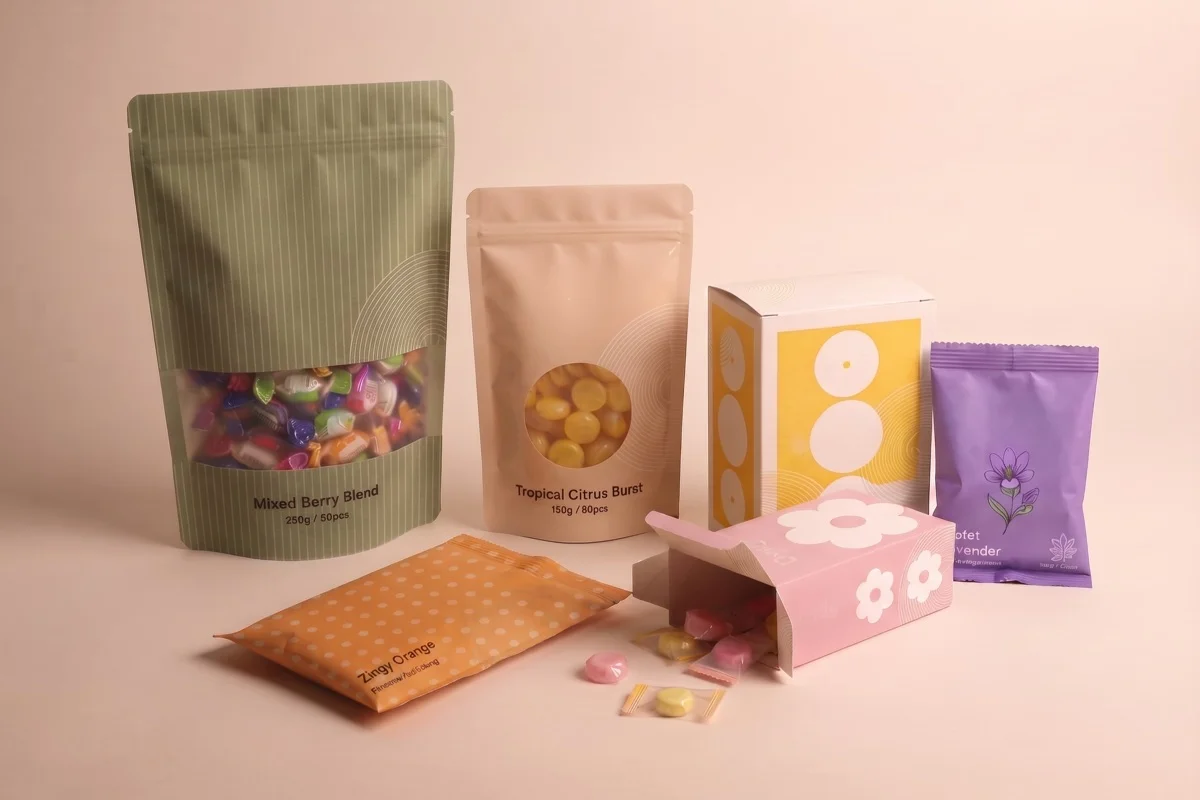
Plan candy packaging around texture, moisture, heat, wrapper status, piece count, flavor recognition, retail display, and shipping path before choosing a format
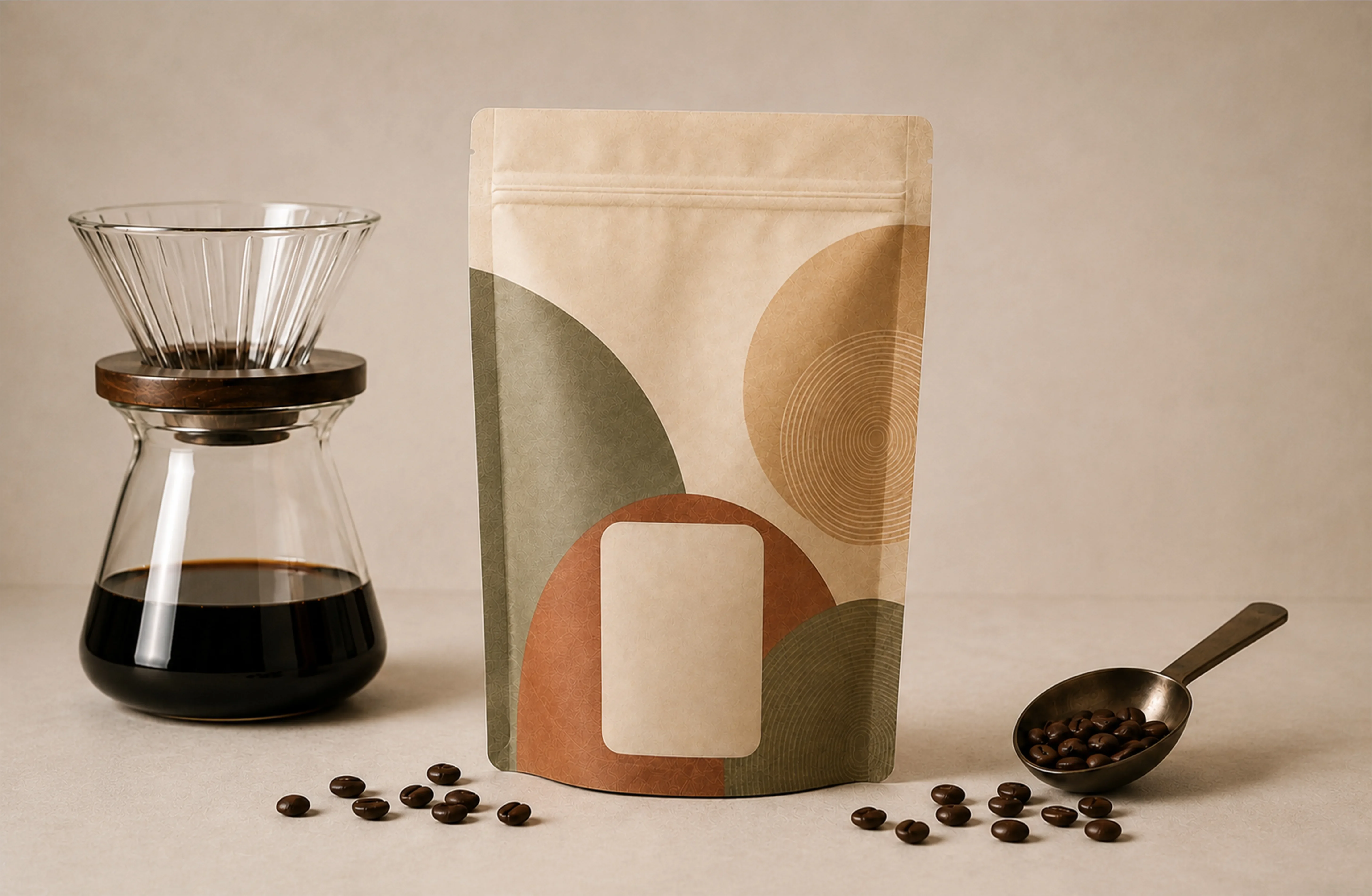
Explore custom coffee packaging for beans, grounds, pods, and gifting—designed to protect freshness and give every roast a clear brand presence
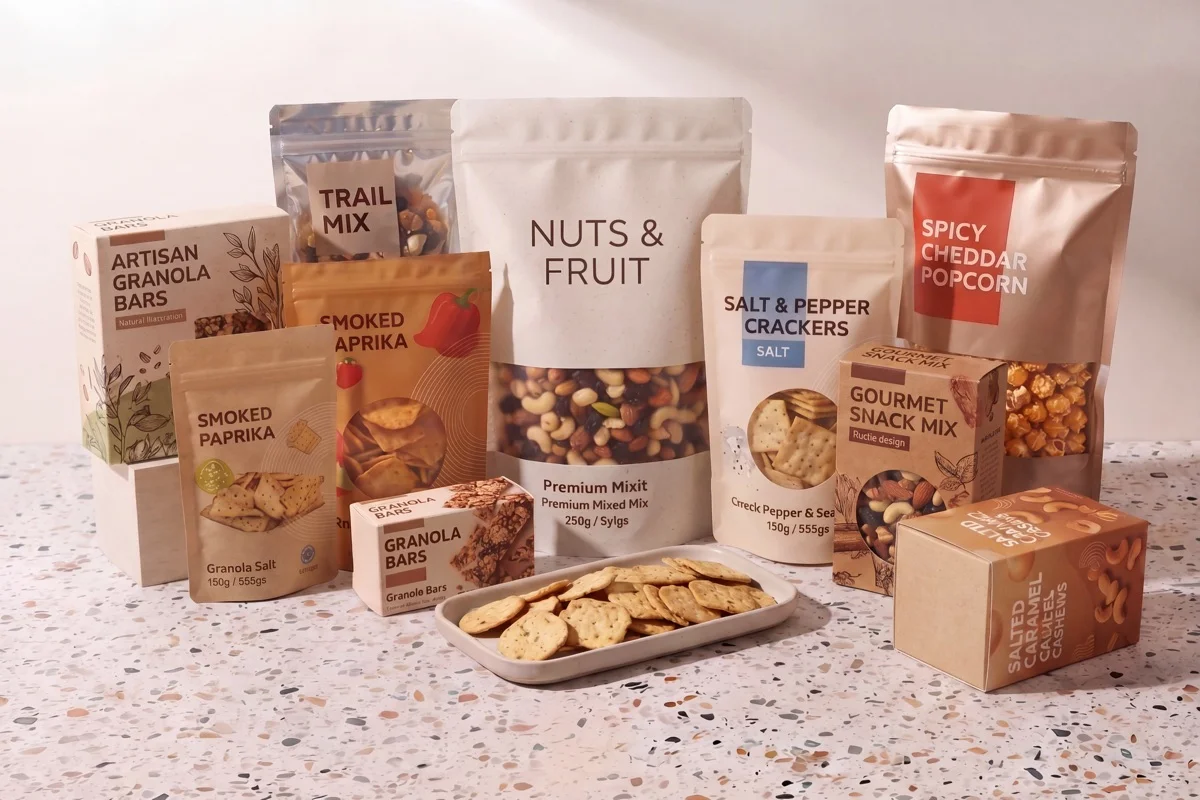
Create custom snack packaging for chips, popcorn, nuts, crackers, and more. Choose the right format, barrier, size, and finish to protect freshness, crunch, and flavor from shelf to shipment
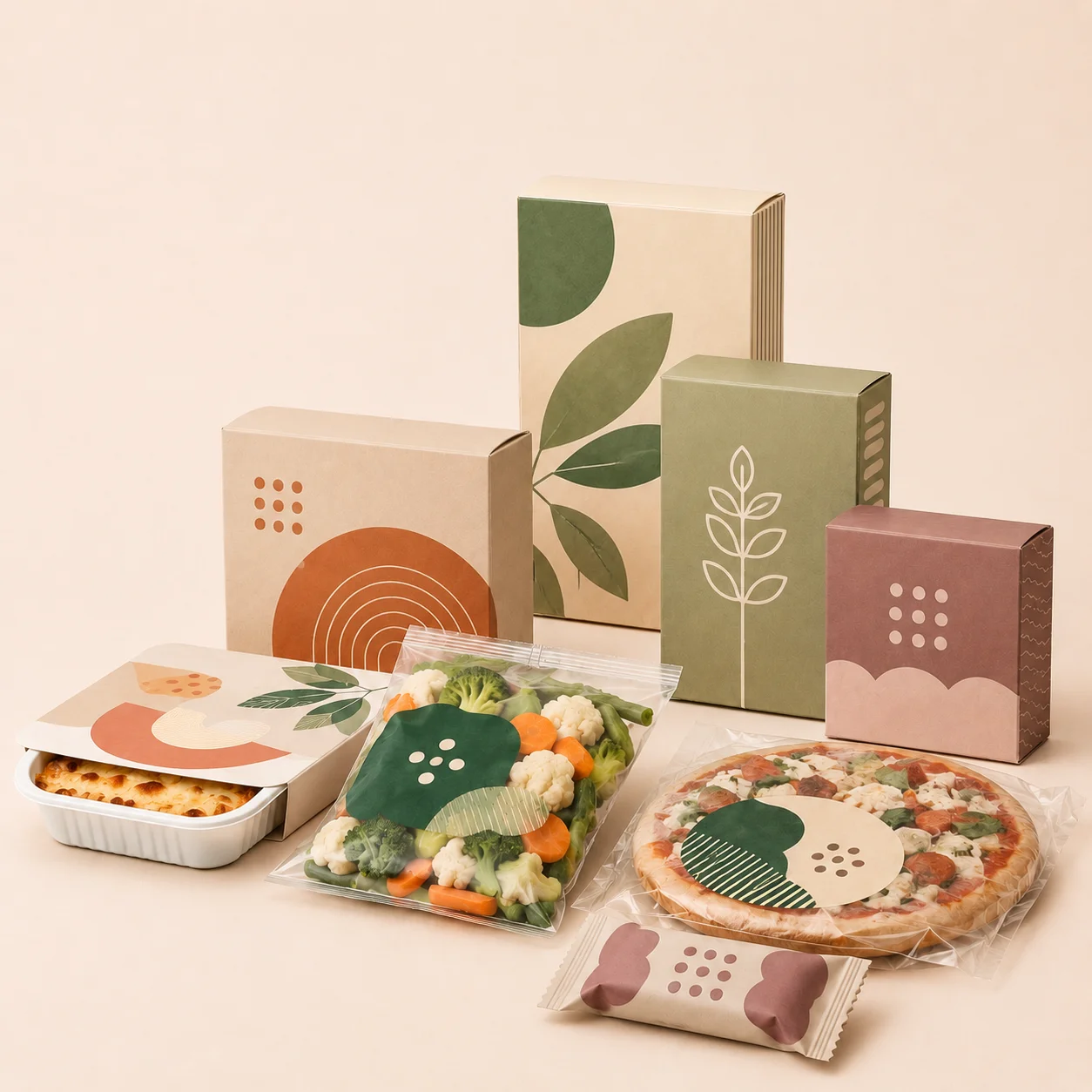
Custom frozen food packaging for sealed meals, pizzas, vegetables, and more—built around freezer handling, clear product information, and a clean retail presentation

Custom wine packaging designed around bottle fit, retail handling, and premium presentation. Create packaging for tasting rooms, gifting, seasonal releases, and retail shelves with clear space for branding and product information
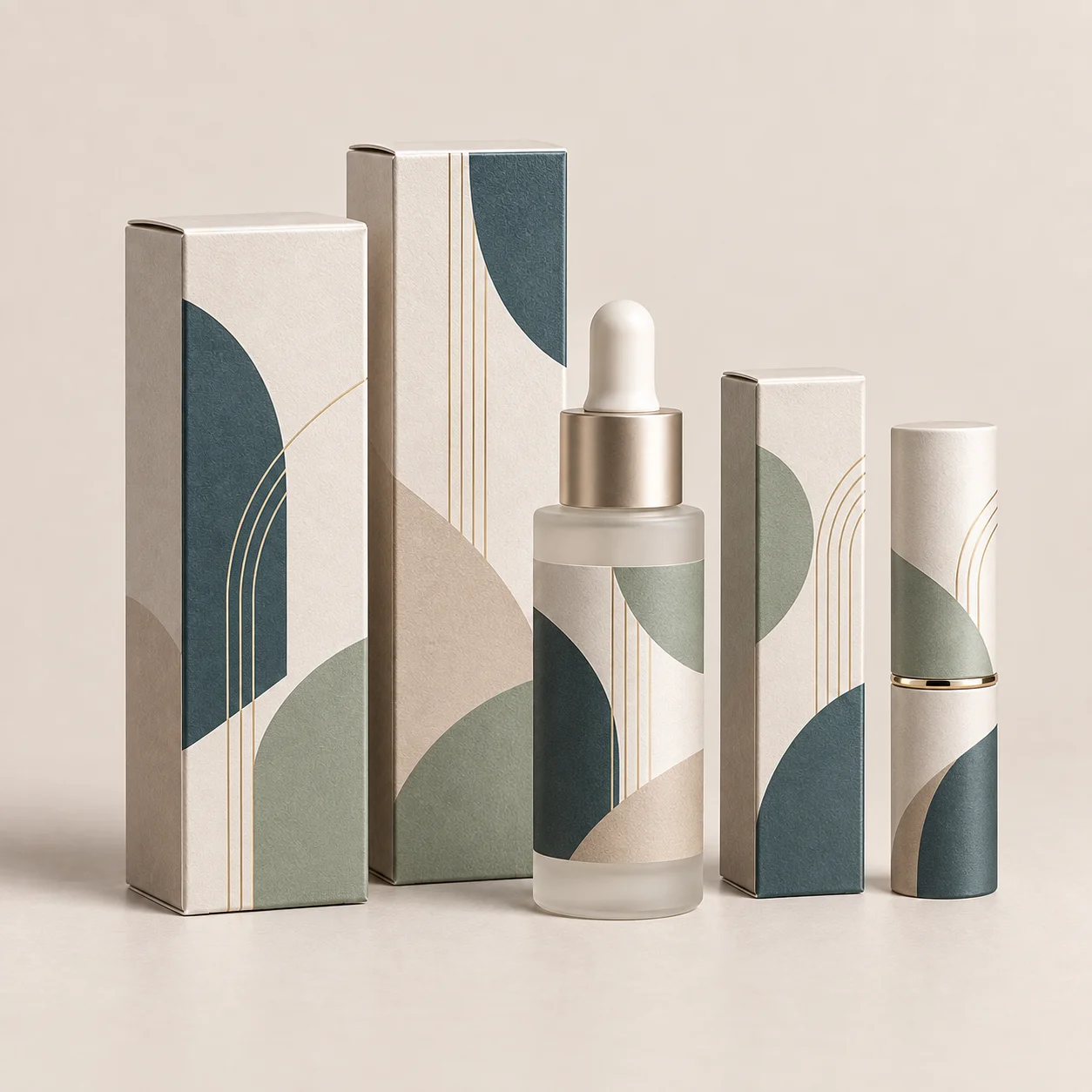
Custom skincare packaging built around secure product fit, clear differentiation, and polished retail presentation across your range