



 100 MOQ
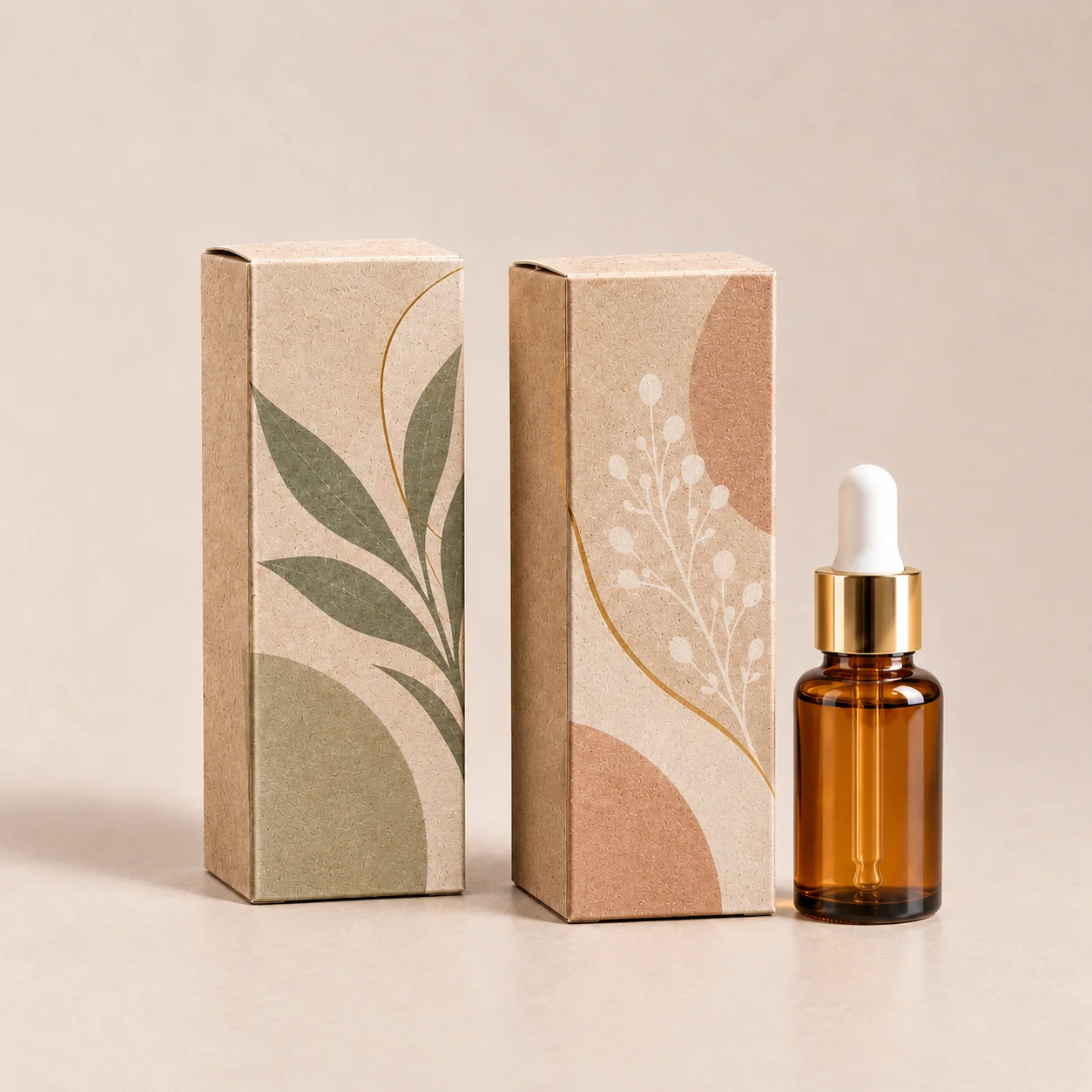
Serum Boxes
Custom printed serum boxes designed to protect and present dropper, pump, and airless bottles, with customizable sizes, materials, finishes, and artwork
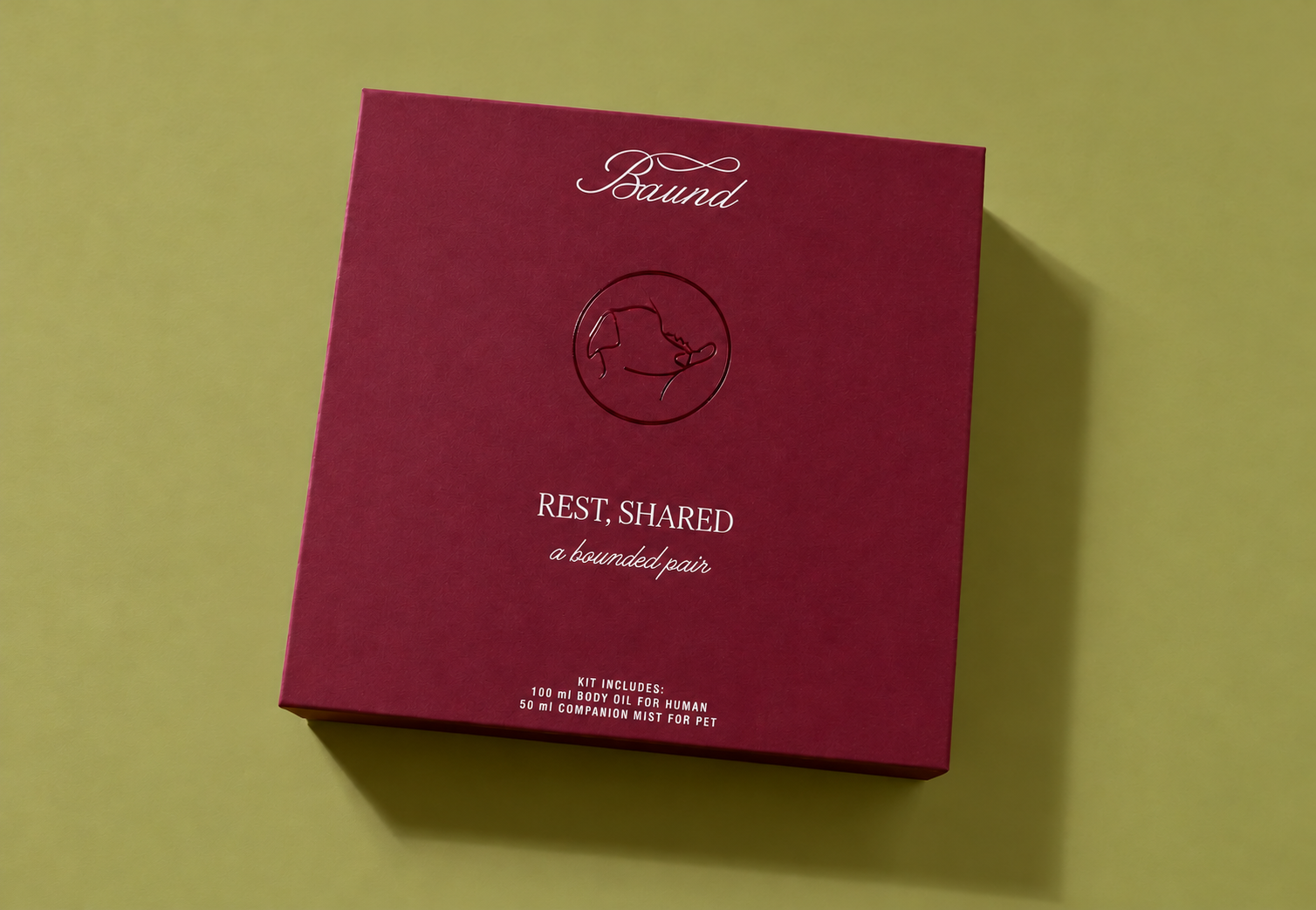
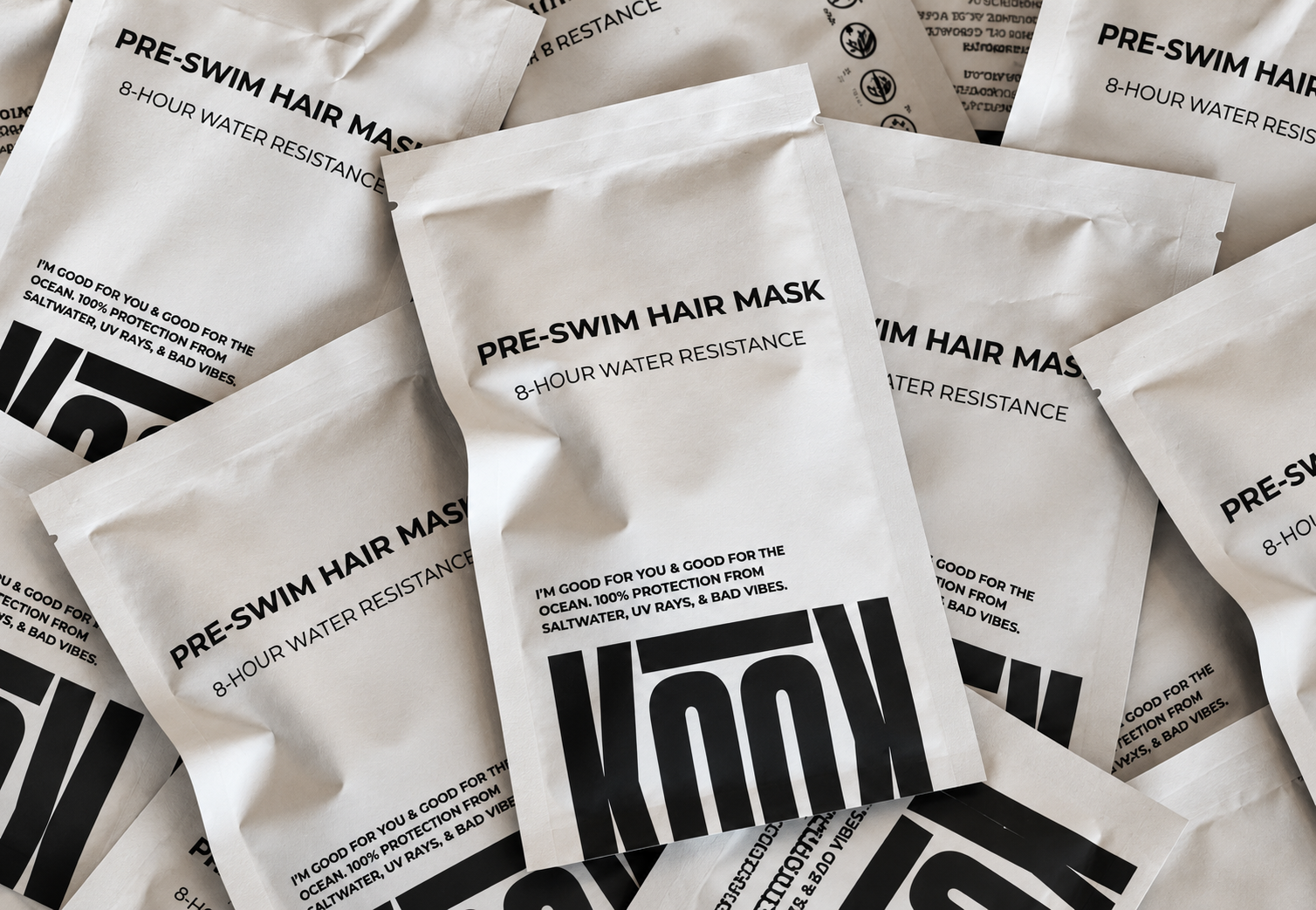
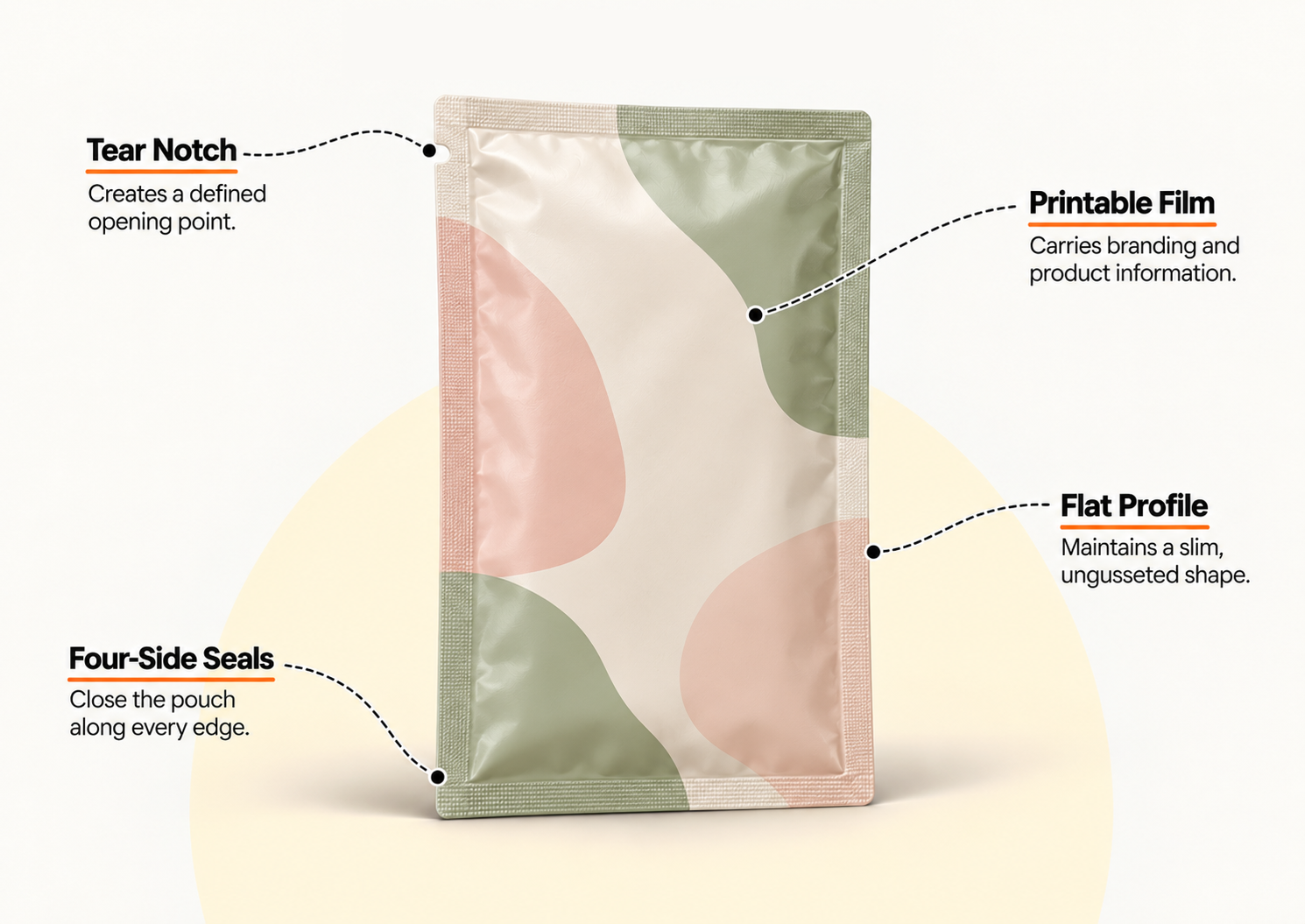
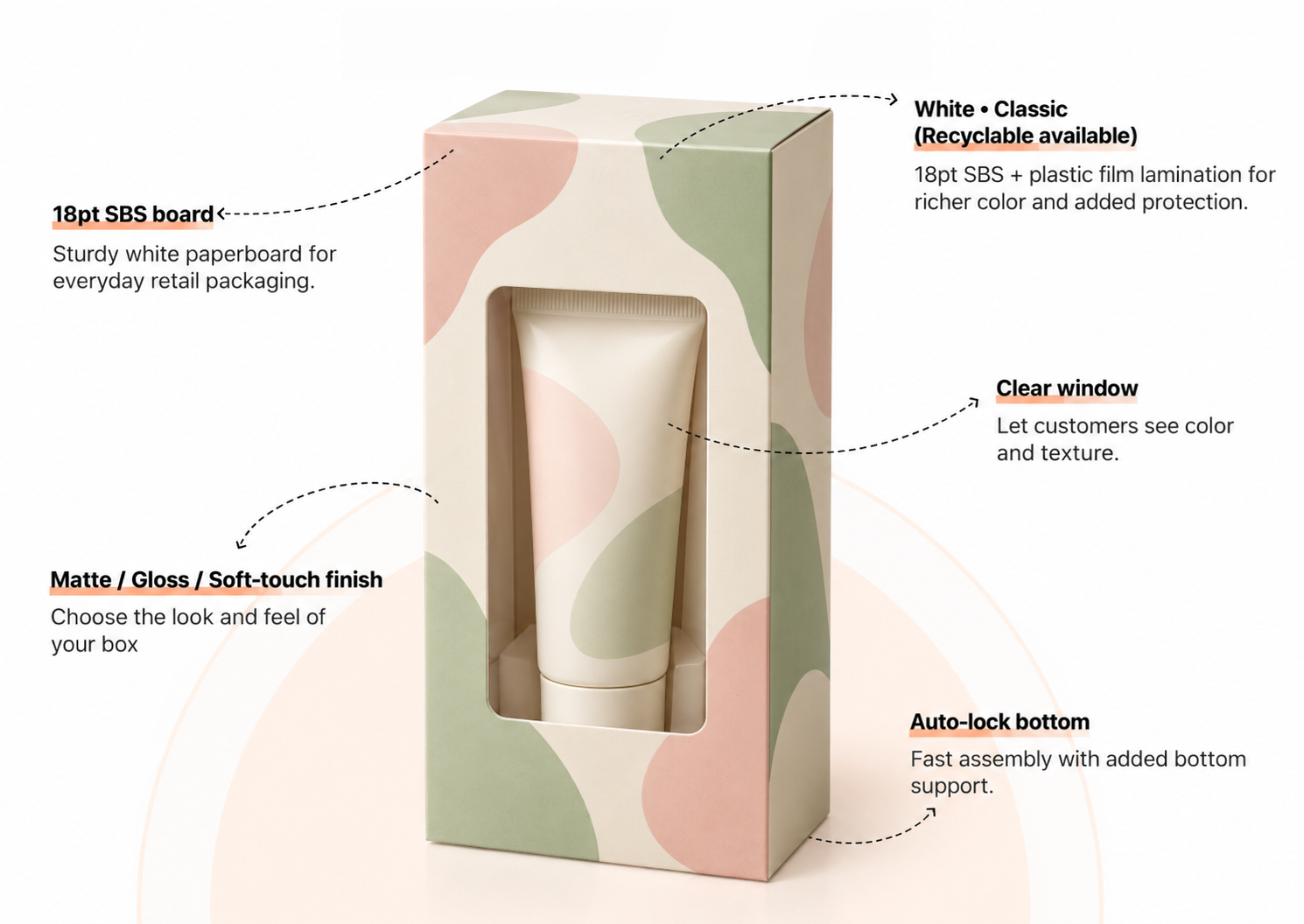
Custom skincare packaging for single-use treatments, samples, sealed bottles, jars, tubes, and coordinated retail sets. Use validated flat pouches for formula-contact doses or folding cartons for secondary presentation.
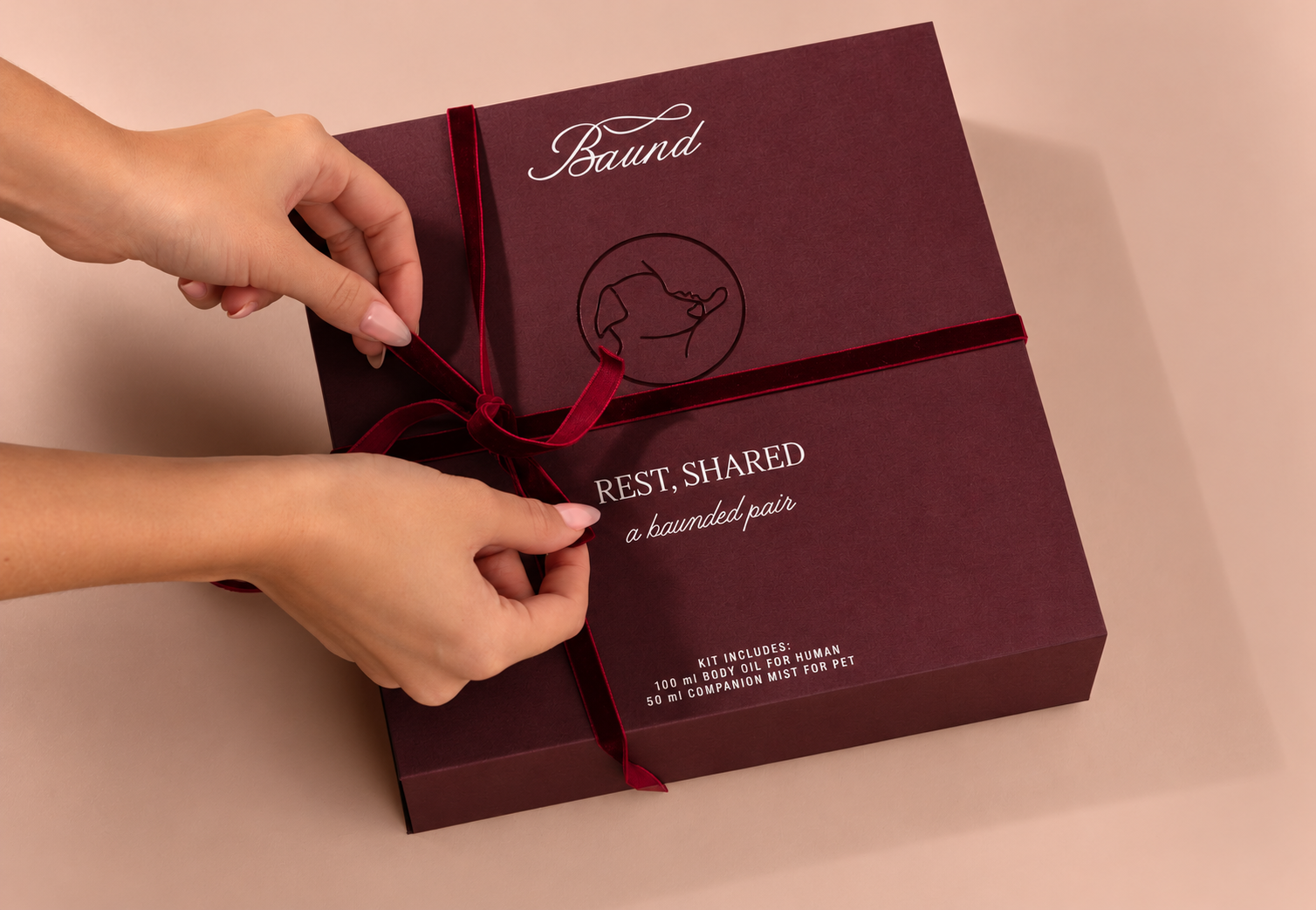
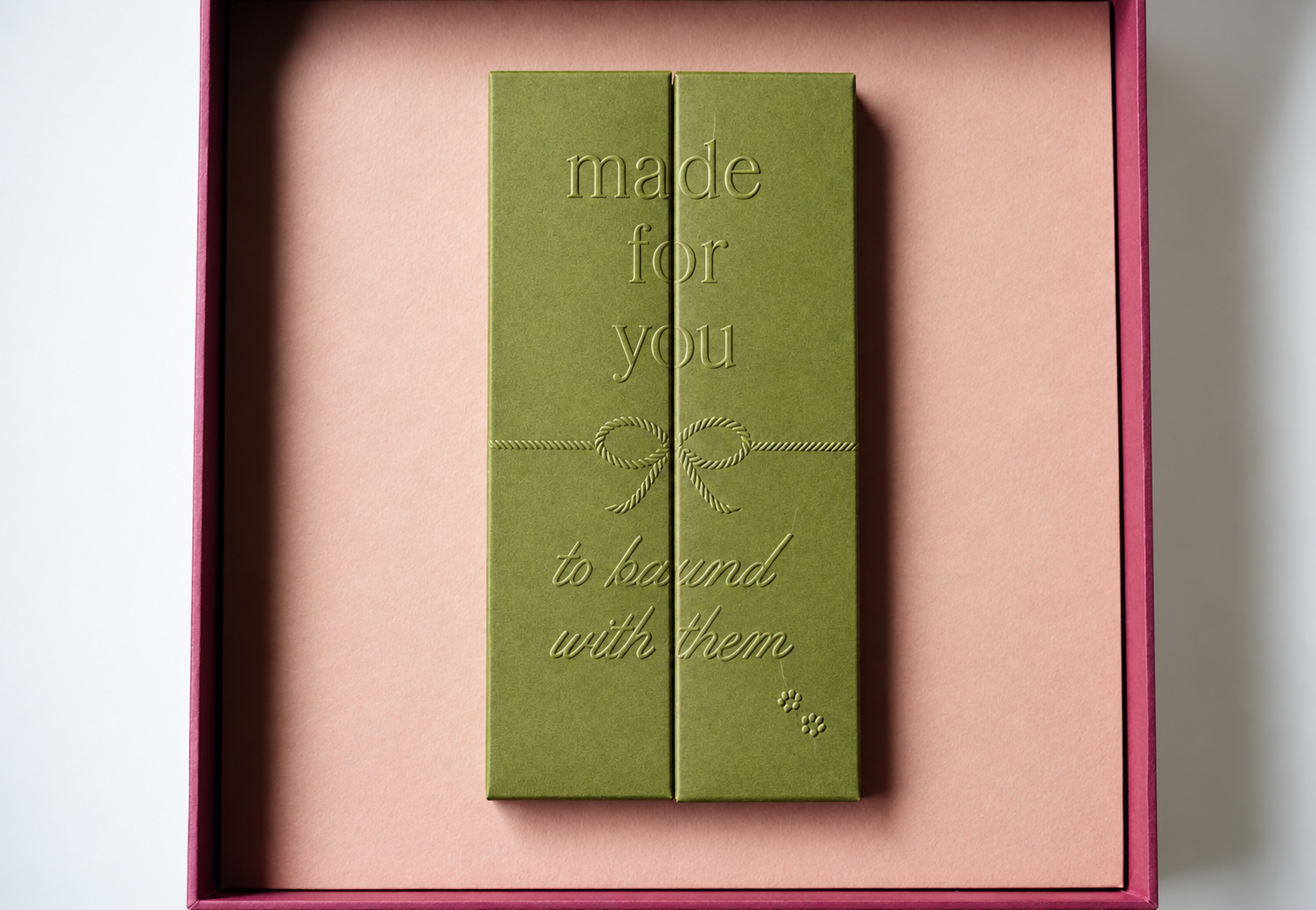
From 100 Units
Sustainable Options
Instant Quotes
3D Design Preview
Skincare packaging has to separate formula-contact performance from retail presentation. A flat pouch needs validated compatibility, dose, seals, and opening behavior for the actual treatment; a folding carton must fit the complete closed bottle, jar, tube, or pouch set. Artwork also needs enough usable space for product identity, net contents, ingredients, directions, warnings, and other approved information.
Choose custom flat pouches for validated single-use treatments, masks, powders, and samples. Use custom folding cartons when a sealed primary product or pouch set needs secondary structure, labeling space, and coordinated retail presentation. Dylign lets you configure dimensions, materials, finishes, and artwork, then review the design in 3D and check a production sample before scaling.
100 MOQCustom printed serum boxes designed to protect and present dropper, pump, and airless bottles, with customizable sizes, materials, finishes, and artwork
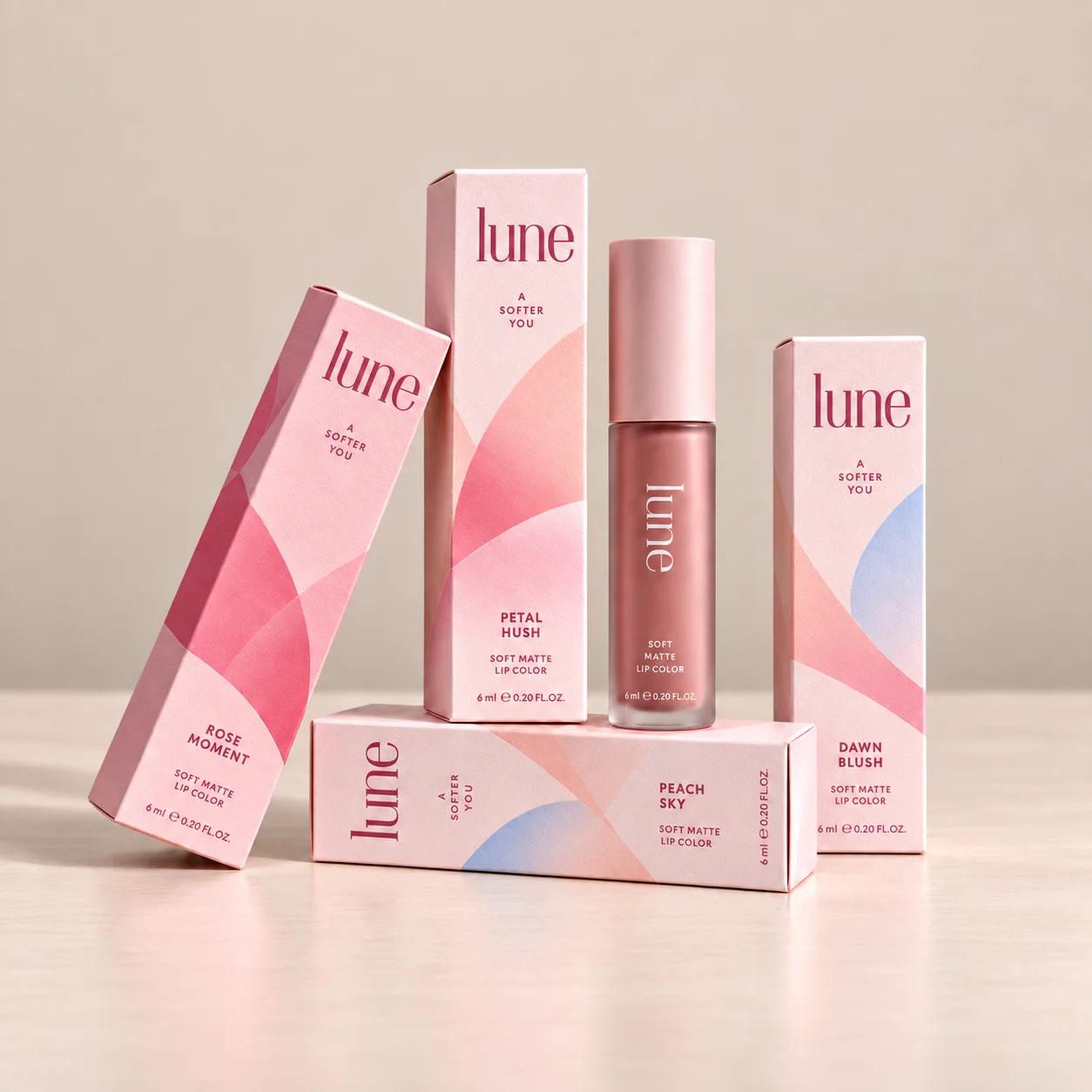 100 MOQ
Custom printed lipstick boxes designed to keep cases secure and shades easy to identify, with customizable sizes, materials, finishes, and artwork
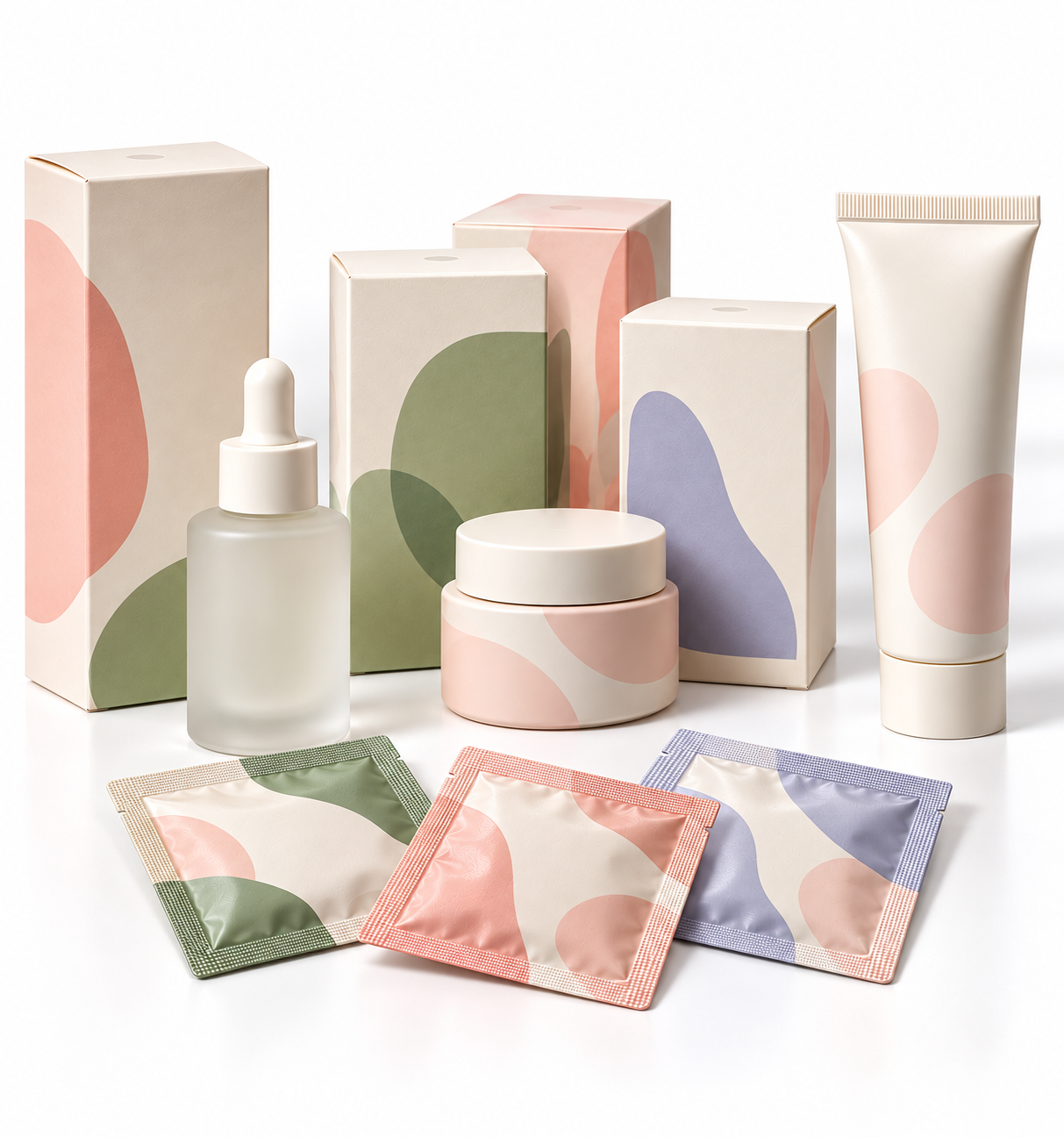
Match the material, seal, and fill process to the formula, especially when the pouch directly contacts the product
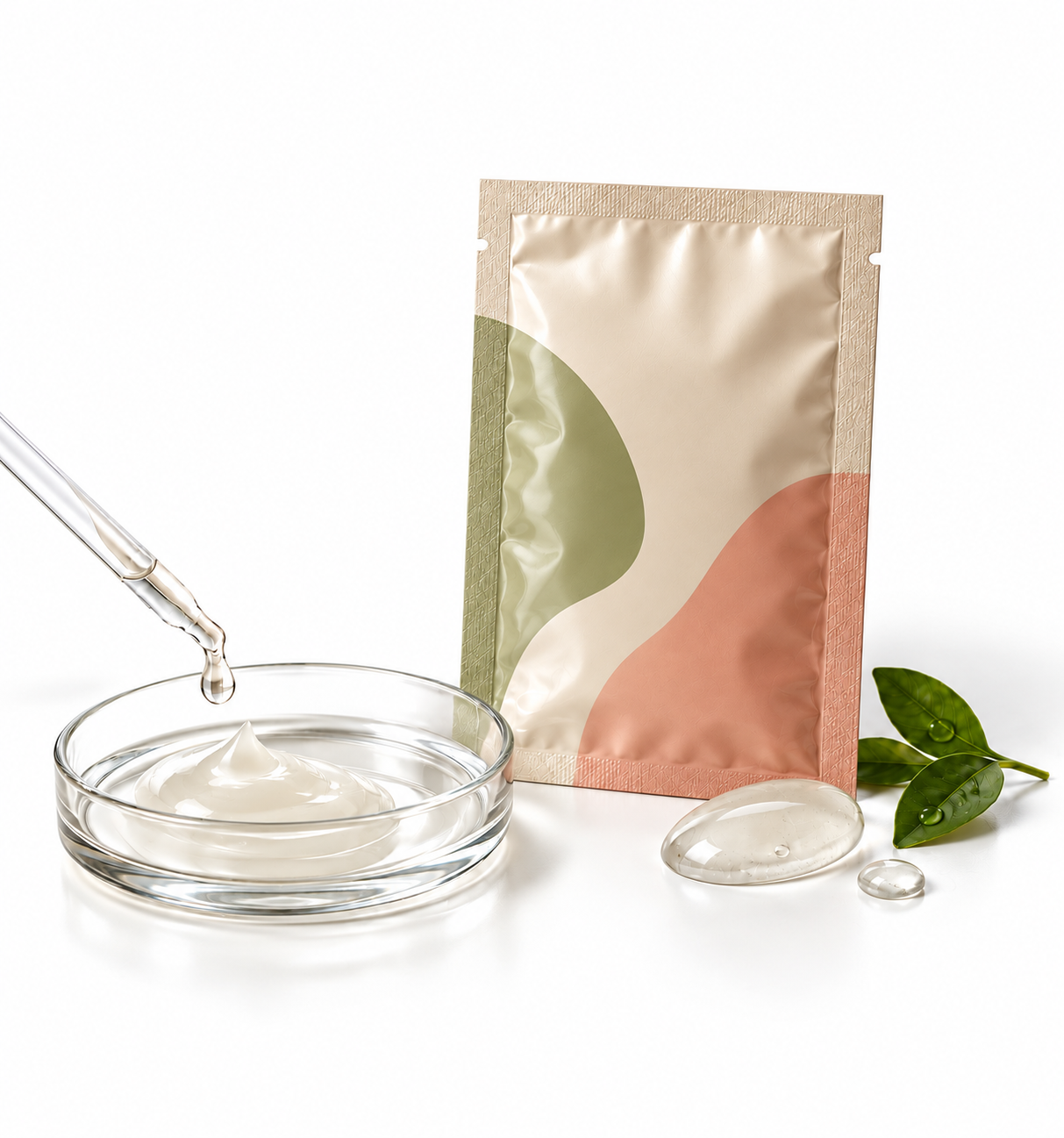
Size the pouch around the intended dose and confirm fill volume, seal clearance, tear position, and dispensing behavior
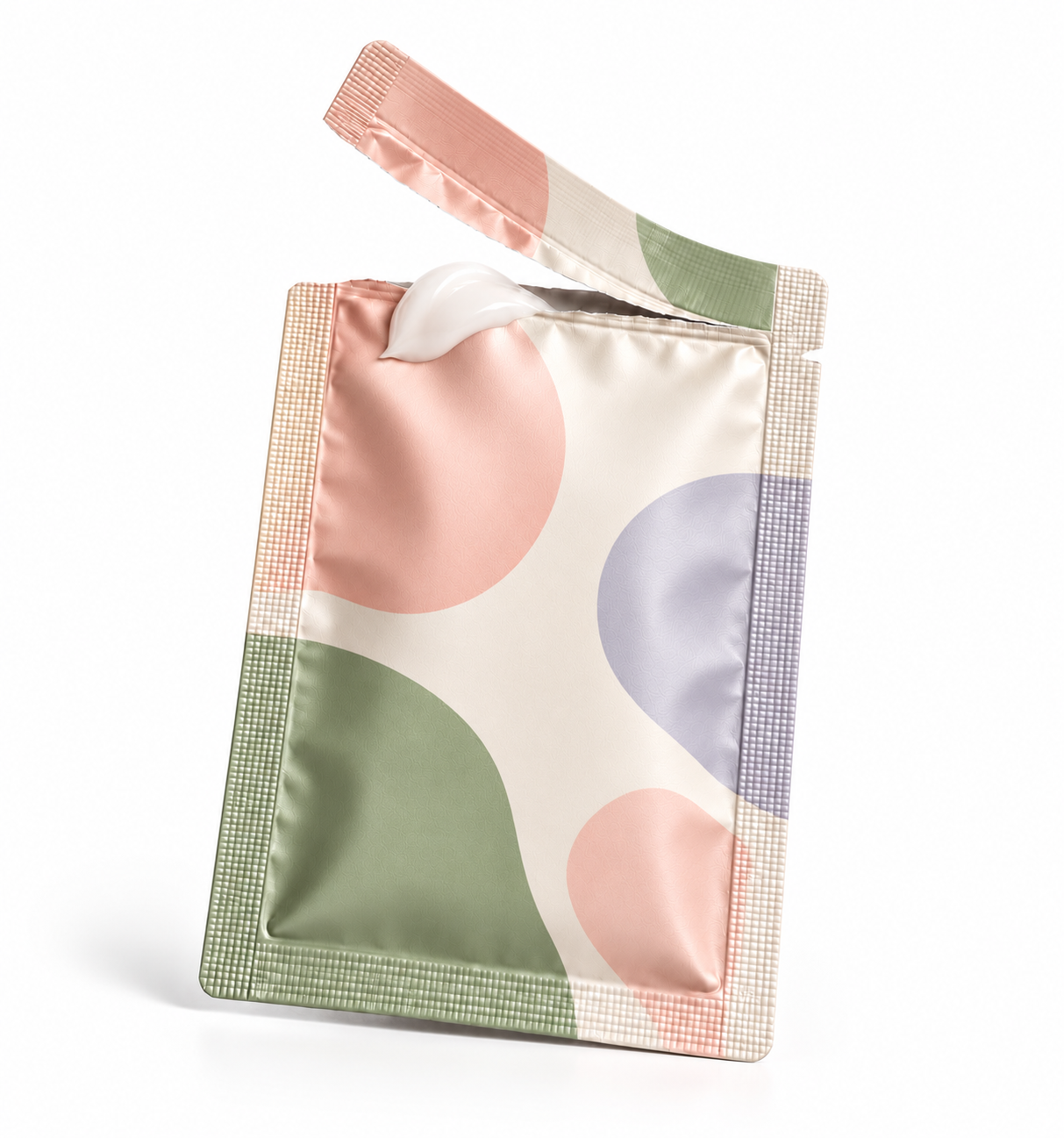
Build the carton around the complete bottle, jar, tube, or pouch, including closure clearance and any required insert
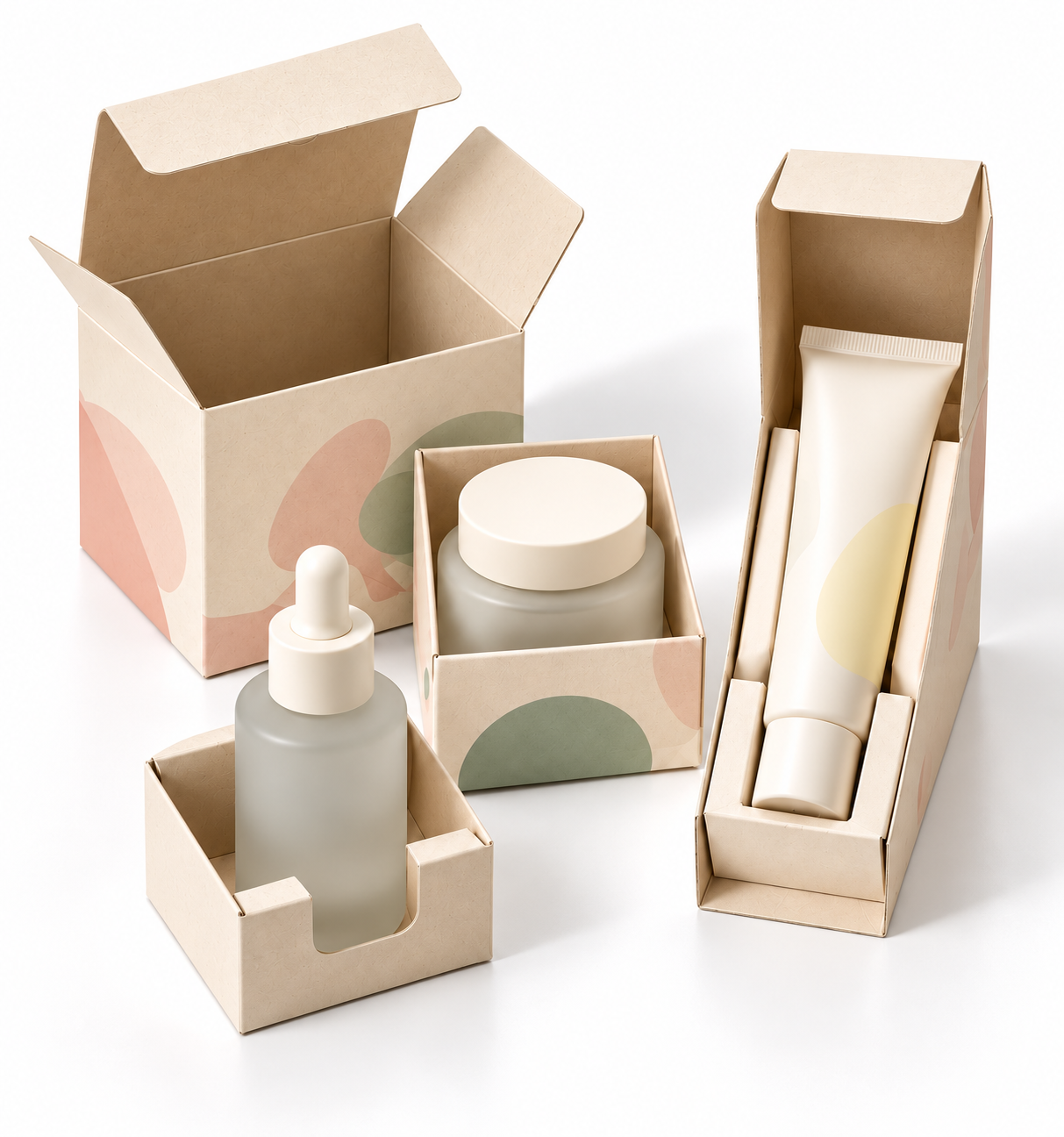
Use a repeatable color, type, and information system so every SKU feels distinct while staying clearly part of one brand

Start with one validated formula and packaging path, then use a production sample to review dose, opening, primary-pack fit, color, labeling, and the complete retail presentation before expanding the range.

Plan the shelf-facing hierarchy, required-information and barcode space, carton dimensions, display orientation, and clear formula or routine cues before finalizing the artwork.

Treat the formula-contact pack, secondary carton, and shipping pack as separate layers. Review leakage exposure, movement, scuffing, parcel volume, and the opening sequence with the finished pack-out.

Reuse a structure only when the formula, dose, primary-pack dimensions, and performance requirements stay aligned, then distinguish each SKU through product names, color, size, or routine step.
Test a product, not a warehouse

Stop waiting 2 days for a quote

See every angle before you order

Recyclable and compostable options across all SKUs

Direct savings, back into your product
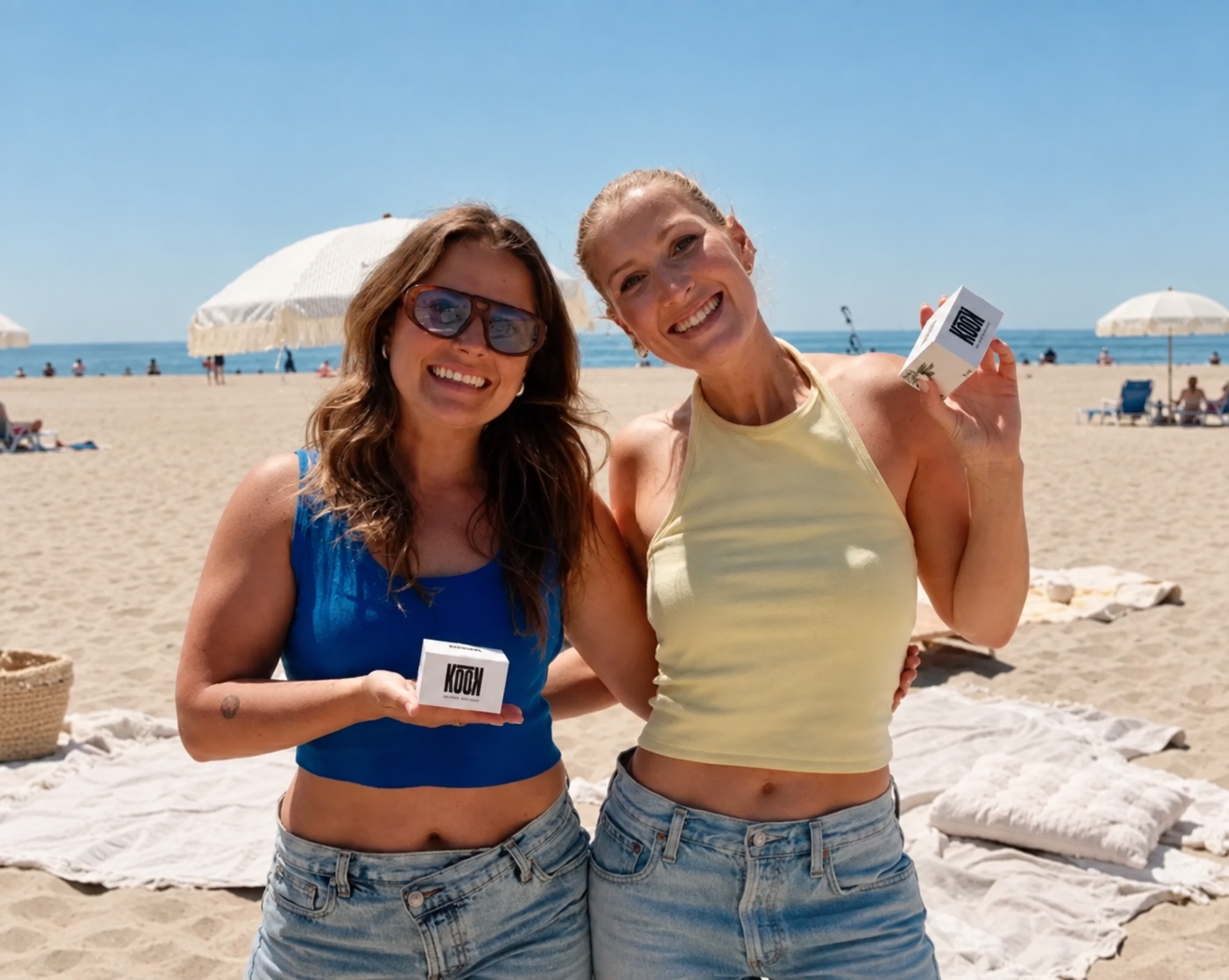
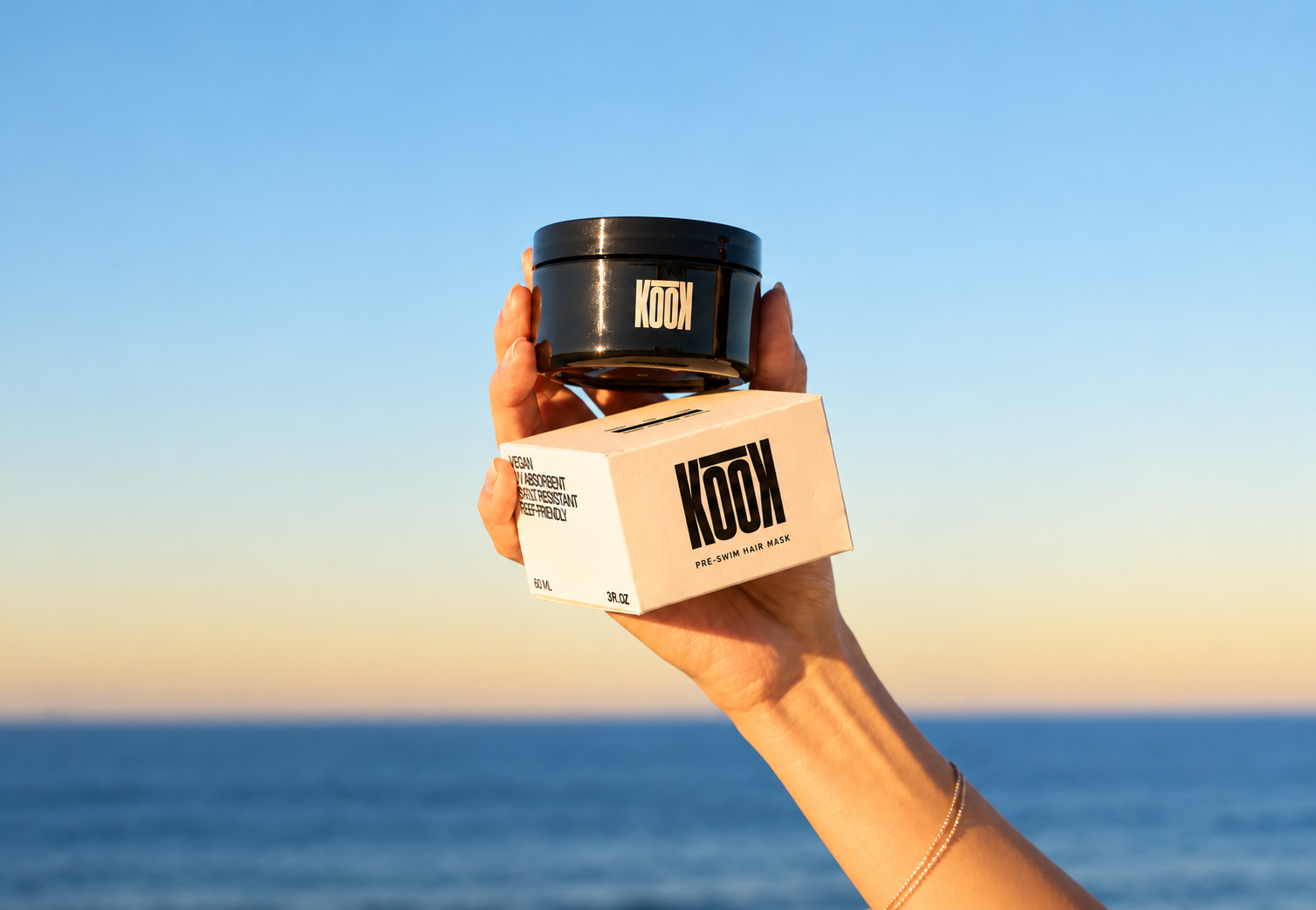
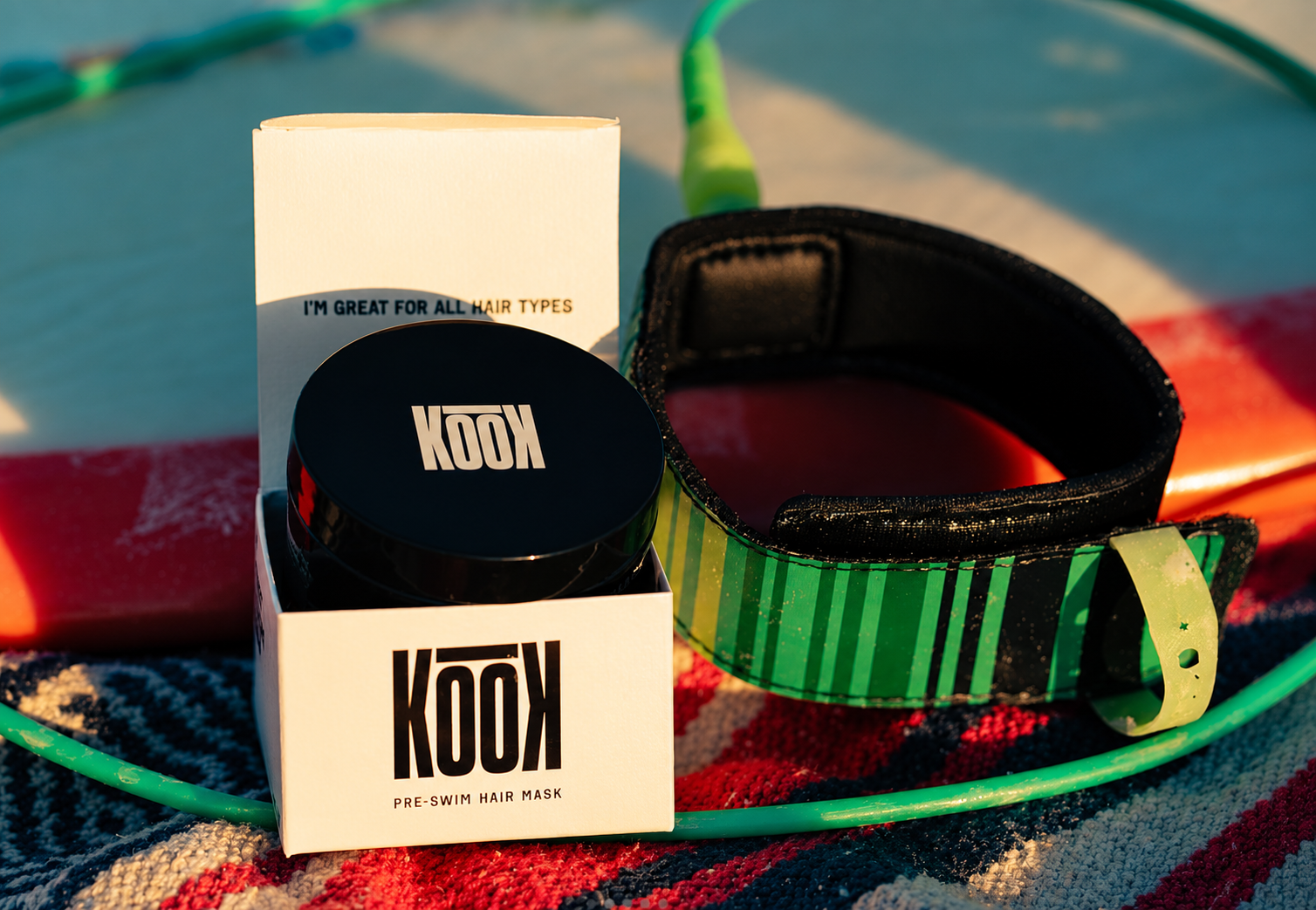
Dylign helped us make our packaging more sustainable—with better materials and smaller runs
Read the KOOK Story →
Step 1: Generate a production-ready dieline from the product configuration you selected. The dieline includes the trim and crease lines needed for production.
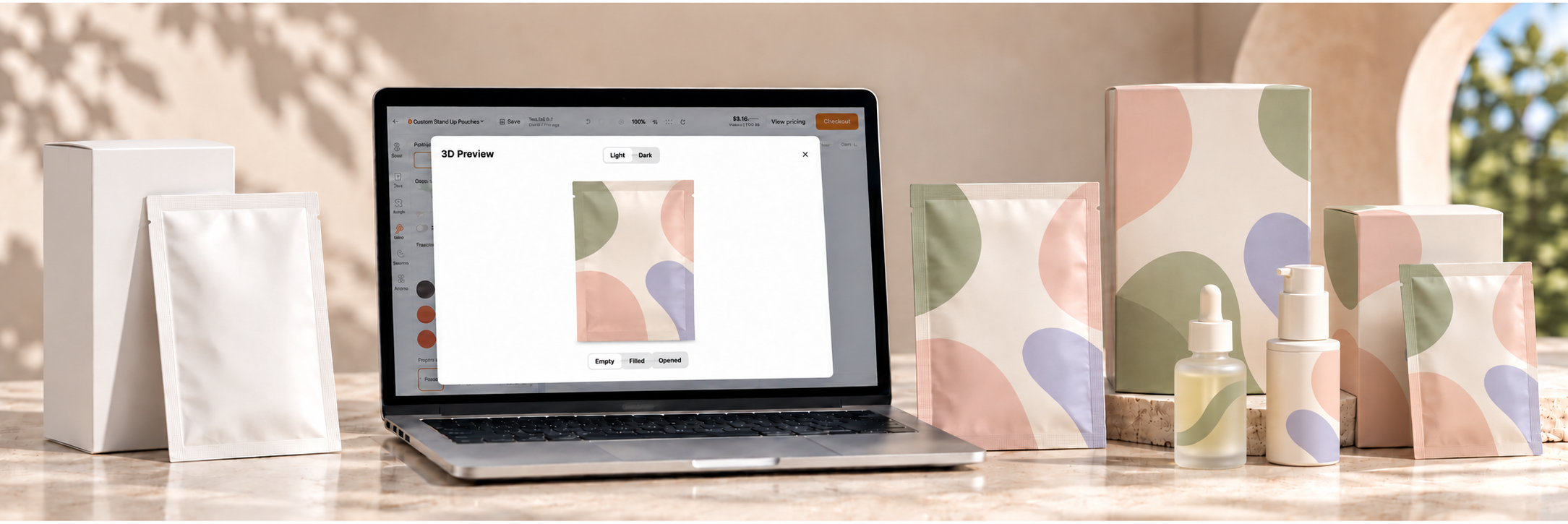
Configure a flat pouch around the real formula and fill process, or size a folding carton around the complete sealed primary pack. Review the artwork in 3D and order a production sample before scaling.

Use a flat pouch for a validated single-use formula, treatment, mask, powder, or sample. Use a folding carton when a sealed bottle, jar, tube, or pouch set needs secondary structure, information space, or retail presentation. Use both when individual pouches are sold as a coordinated set.
Validate the contact layer, formula compatibility, fill volume, seals, opening method, dose, storage, and distribution conditions with the actual product and filling process. Artwork and a physical sample can confirm appearance and usability, but they do not replace compatibility, leakage, stability, or seal testing.
Size the carton around the complete closed bottle, jar, tube, tin, or pouch set—not the container body alone. Check cap, pump, dropper, lid, orientation, movement, board, bottom style, and any approved insert with the real filled primary pack.
Reserve space according to the product, container system, claims, and selling market. For U.S. cosmetics, plan for required information such as product identity, net contents, ingredients, business information, directions, and warnings where applicable. Final copy, placement, and type size require product-specific regulatory review.
Yes, when the products share the same approved dimensions, closure profile, packaging role, and performance requirements. Keep the structure consistent where possible, then use artwork, color, formula names, routine steps, or size cues to distinguish each SKU without weakening the shared brand system.
Yes. Custom Flat Pouches and Custom Folding Cartons currently start from 100 units, and both product flows offer production samples. Use a sample to review the selected size, material, print, opening or closure, and complete pack fit, then recheck live quantity and pricing before ordering.
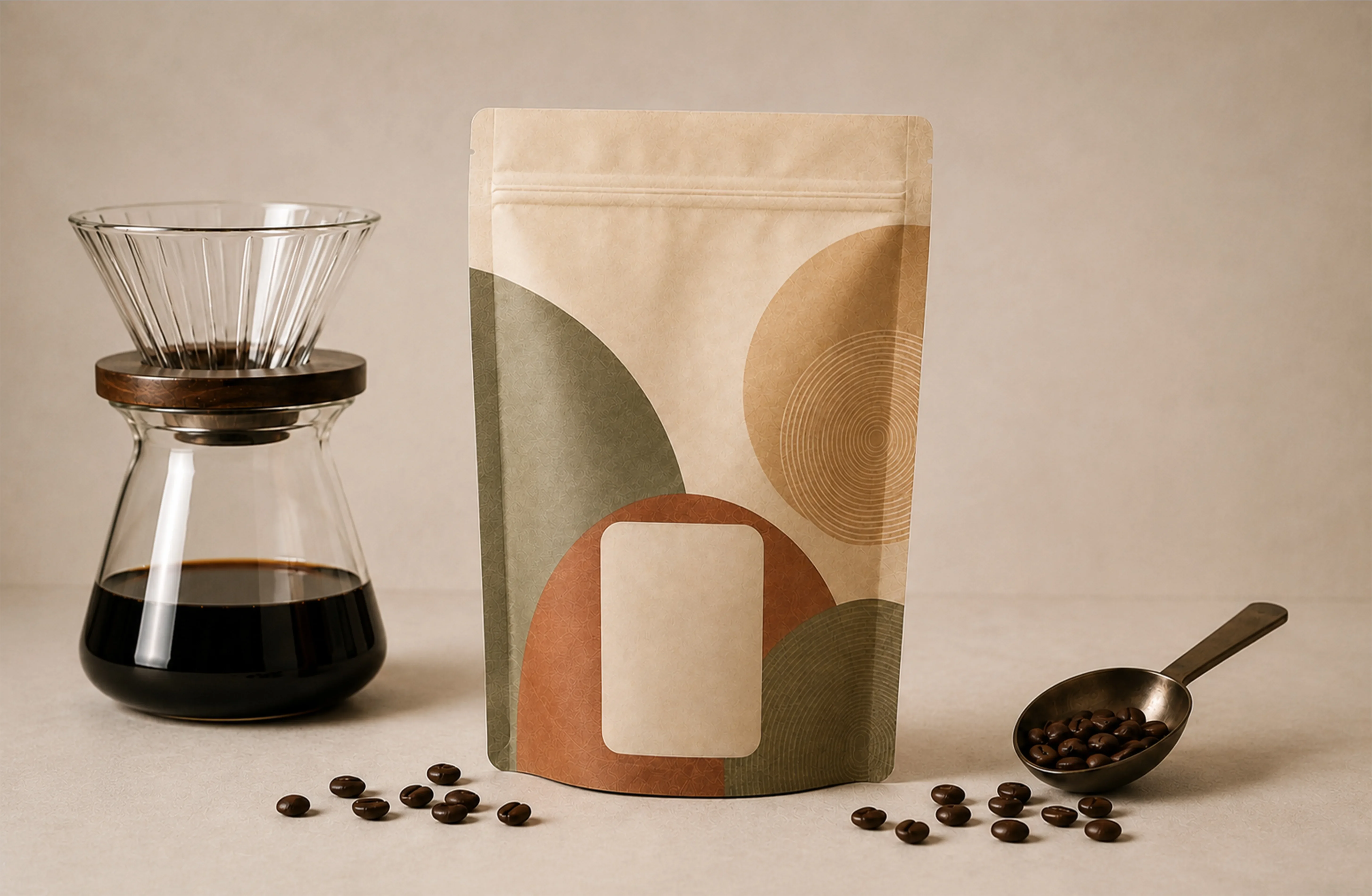
Explore custom coffee packaging for beans, grounds, pods, and gifting—designed to protect freshness and give every roast a clear brand presence
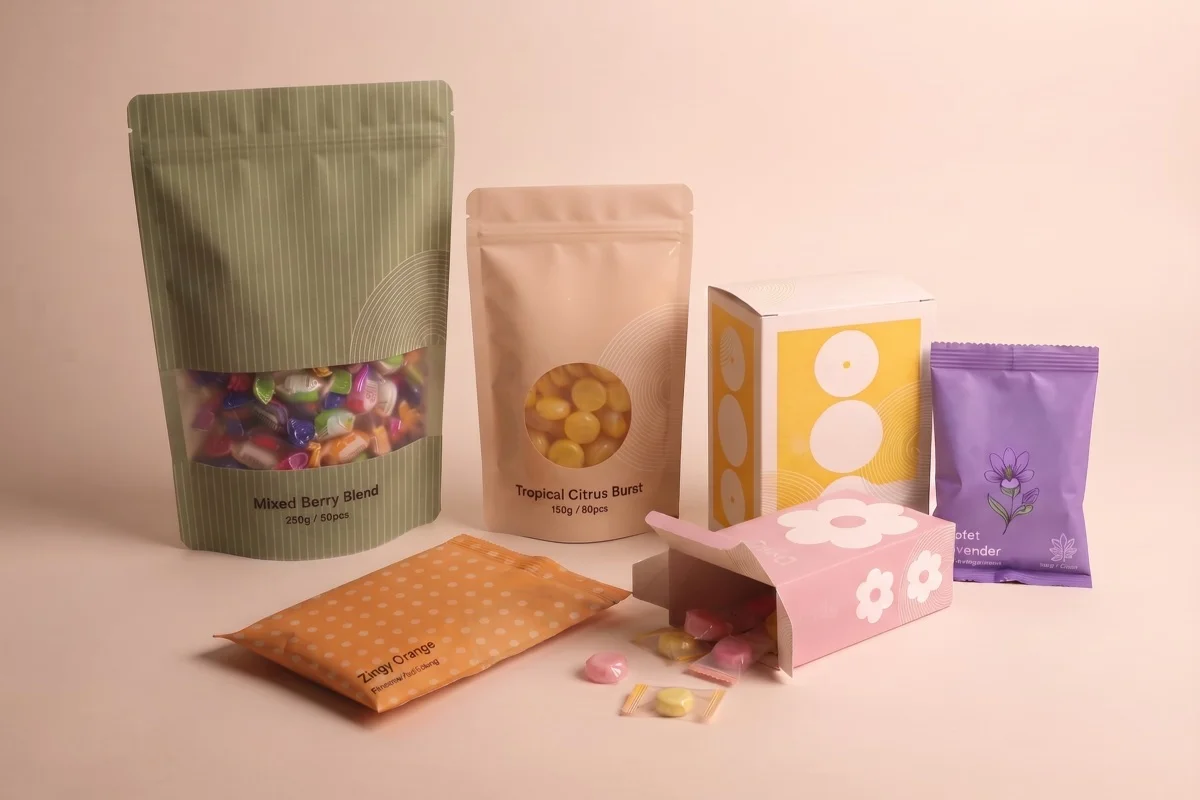
Plan candy packaging around texture, moisture, heat, wrapper status, piece count, flavor recognition, retail display, and shipping path before choosing a format
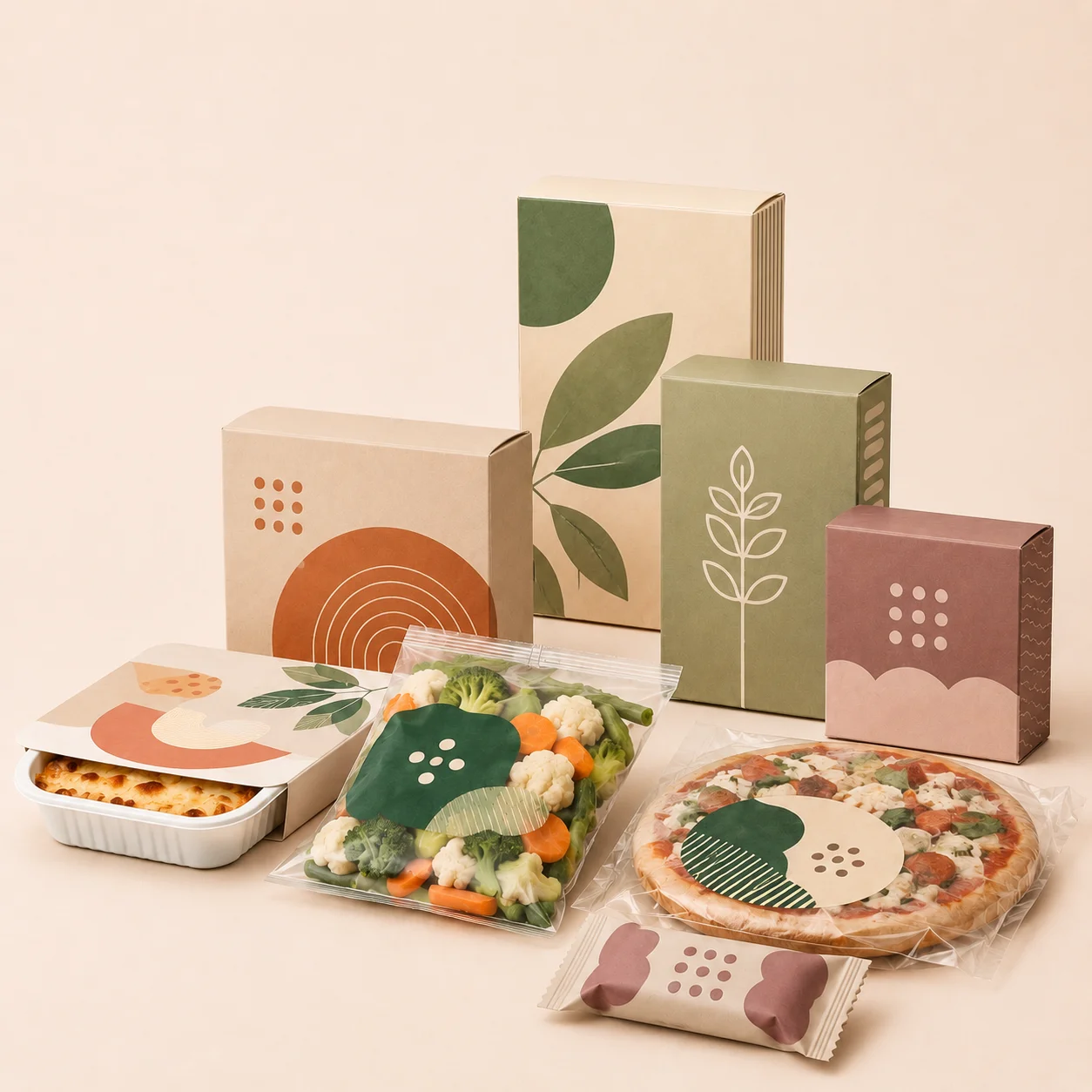
Custom frozen food packaging for sealed meals, pizzas, vegetables, and more—built around freezer handling, clear product information, and a clean retail presentation
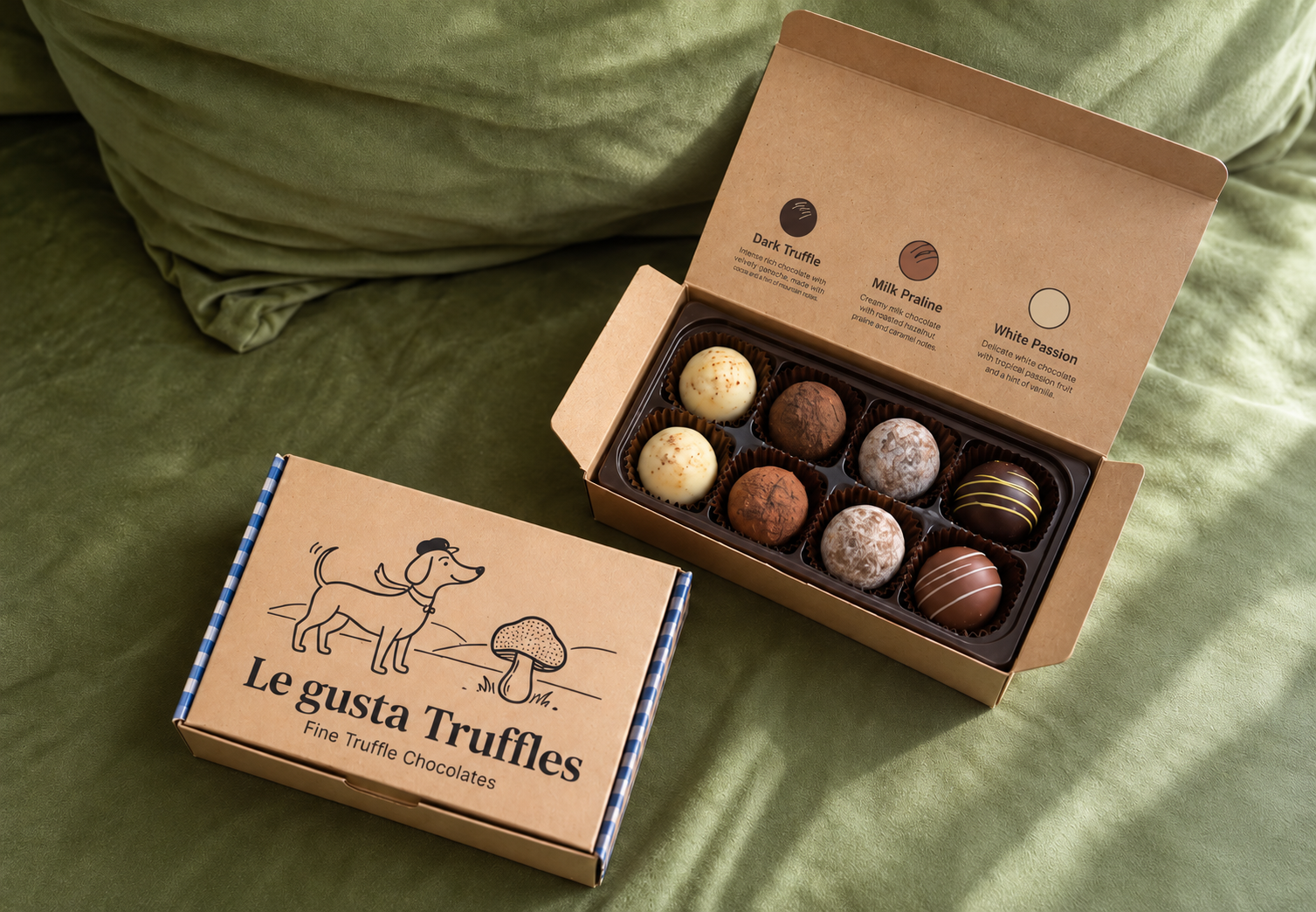
Custom chocolate packaging built around product protection, portioning, and shelf presentation—from wrapped chocolates and truffles to gift assortments
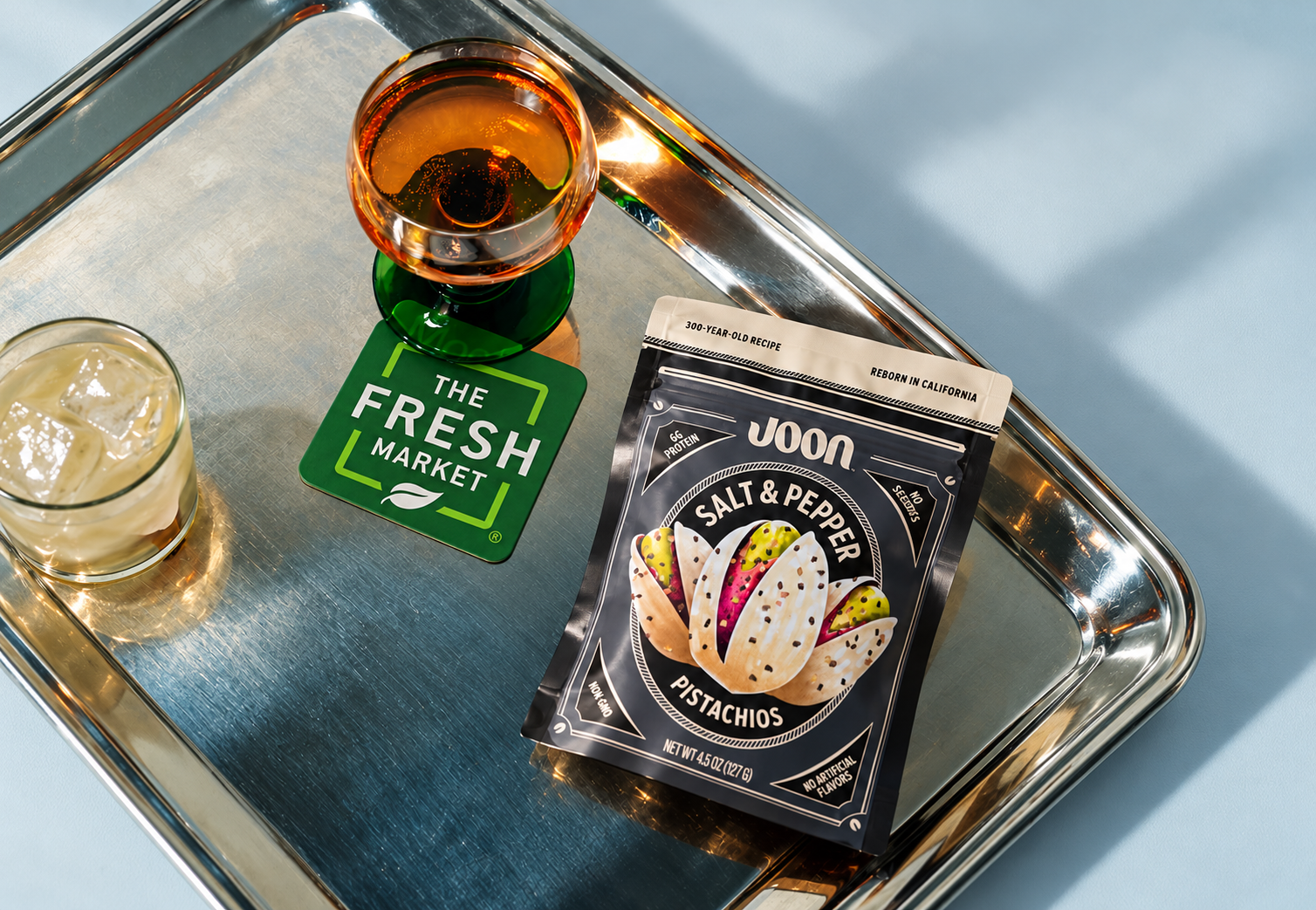
Custom snack packaging for chips, crackers, nuts, granola, jerky, and other dry snacks. Configure a stand-up pouch around the real fill, protection needs, opening, and sales channel.
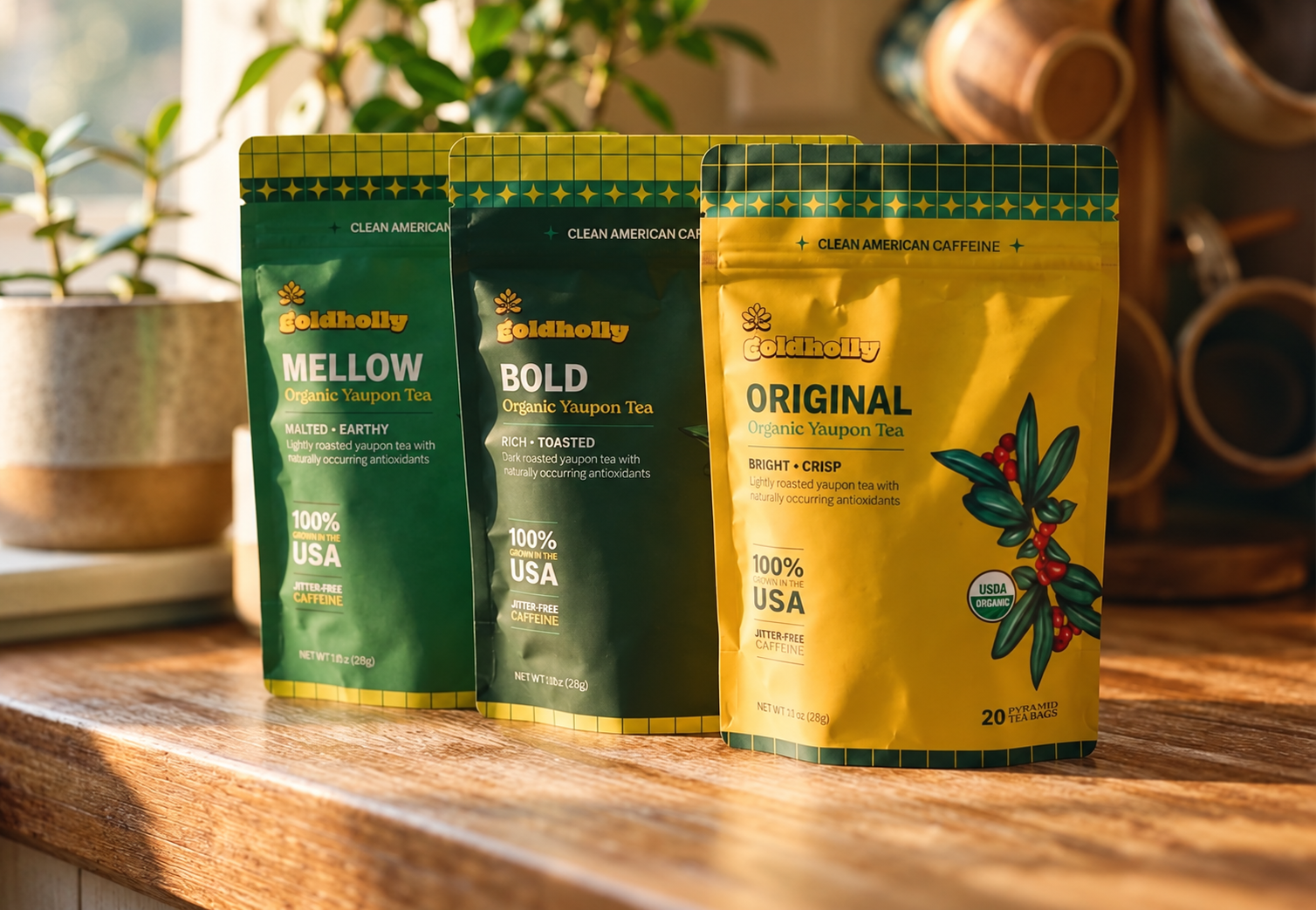
Plan custom tea packaging around leaf form, moisture and aroma sensitivity, packed volume, repeated opening, and retail presentation before choosing a custom stand-up pouch for your tea line.
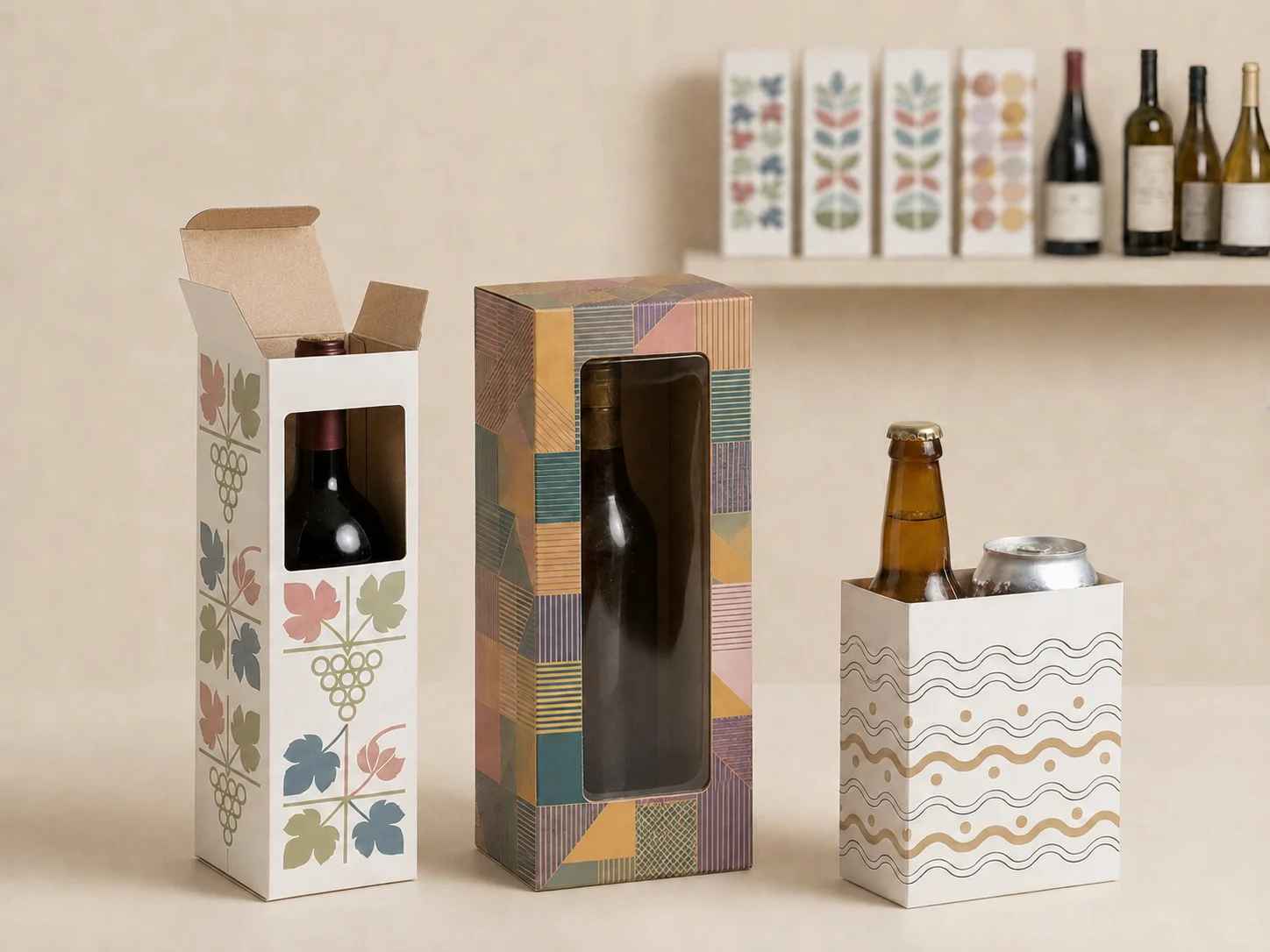
Custom wine packaging designed around bottle fit, retail handling, and premium presentation. Create packaging for tasting rooms, gifting, seasonal releases, and retail shelves with clear space for branding and product information