Custom Compostable Packaging Starts Here

Explore compostable packaging materials and custom solutions designed to protect your products, support your sustainability goals, and grow with your brand.

Choose Your Packaging
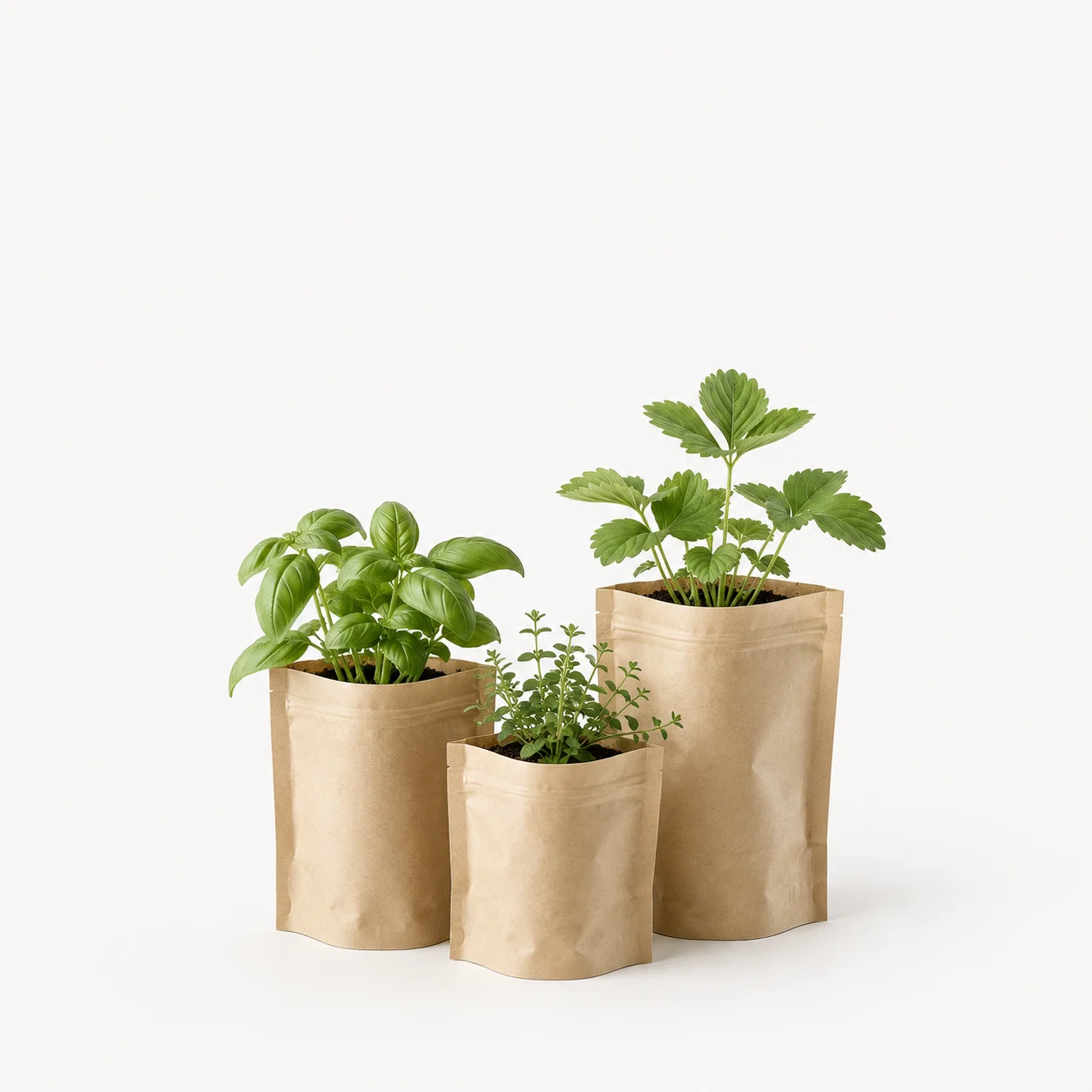
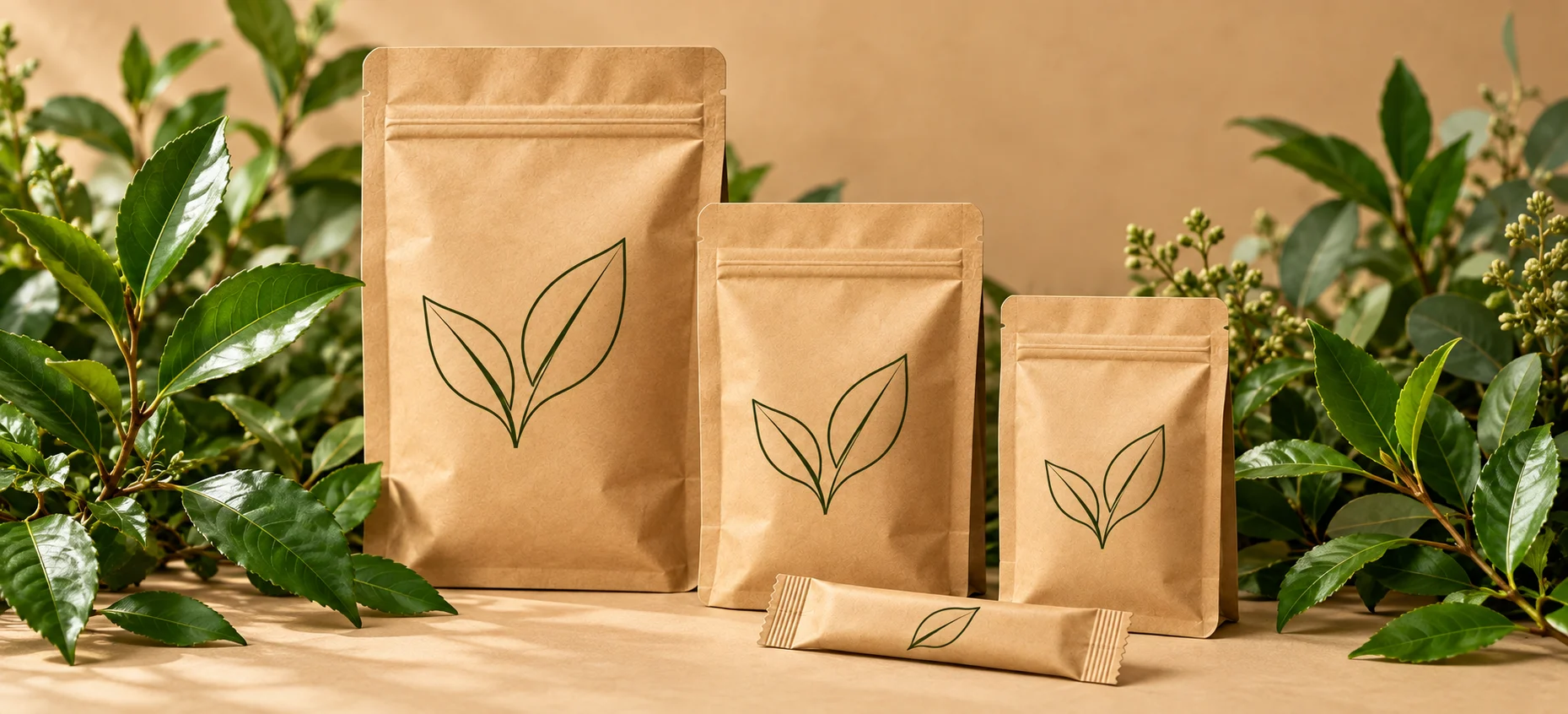
Kraft compostable pouches with plants

Compostable Material Options

Custom Printing

Factory-Direct Pricing

Low MOQs

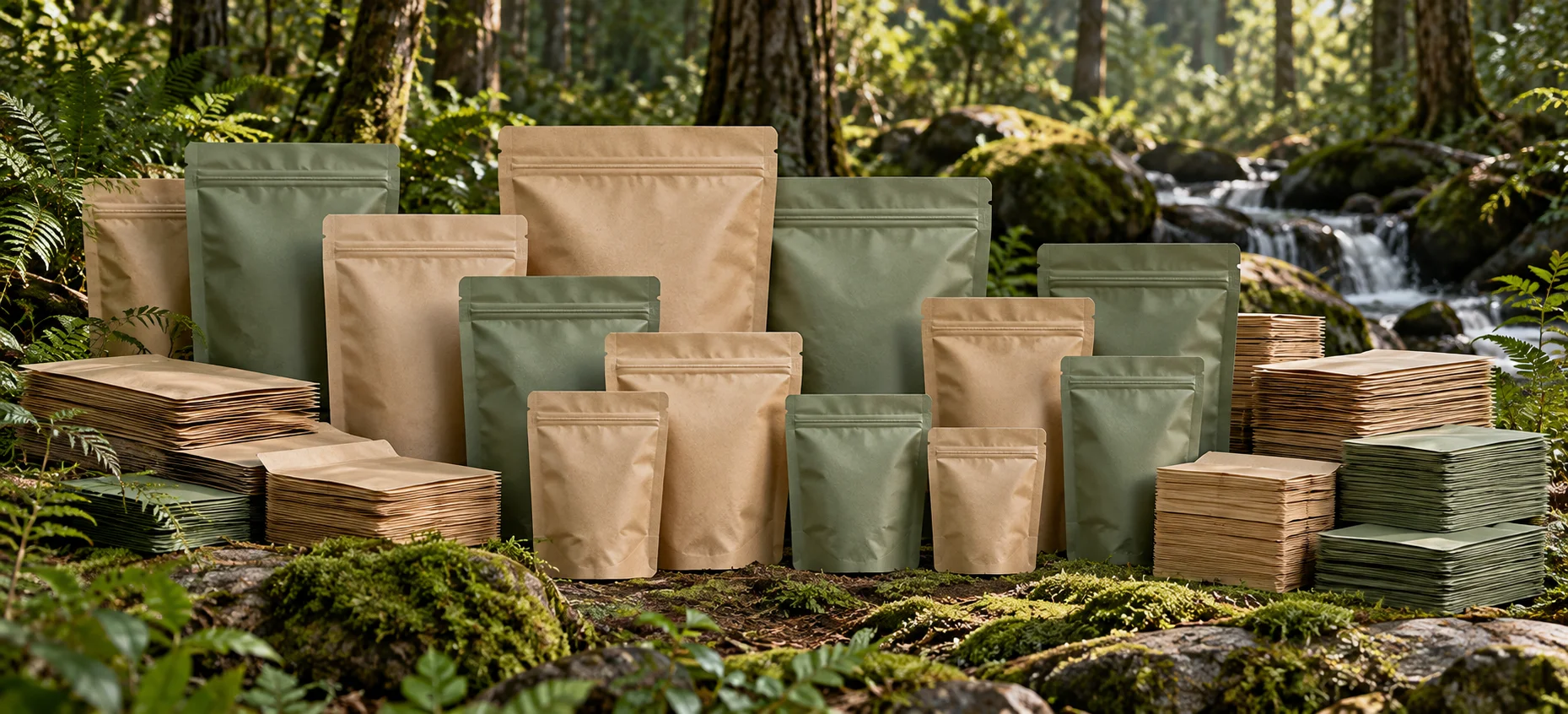
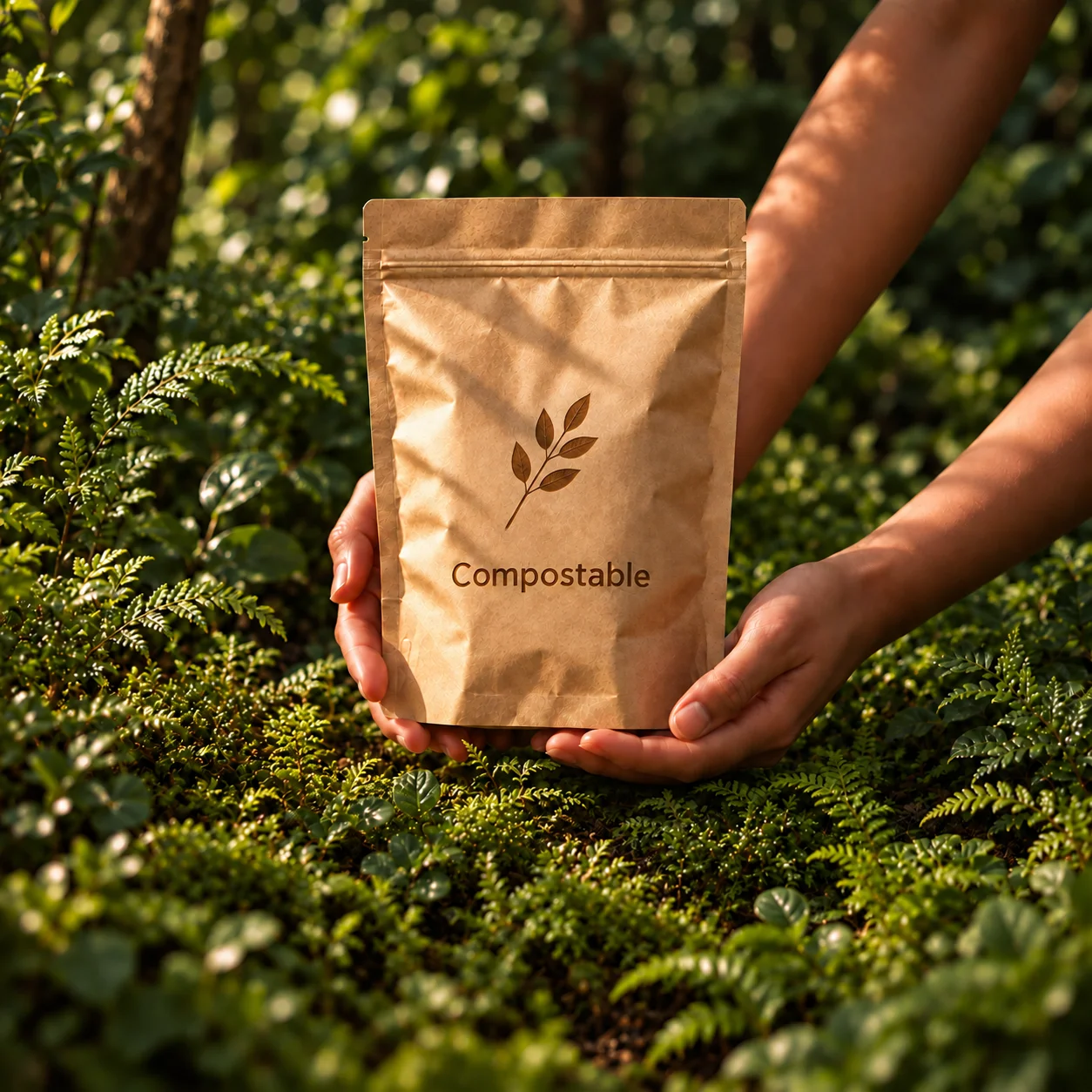
Compostable kraft packaging in nature

What Is Compostable Packaging?

Compostable packaging is packaging designed to break down through biological processes under specified composting conditions. To meet recognized compostability standards, it must satisfy requirements for biodegradation, disintegration, and the quality of the resulting compost.

Common compostable packaging materials include polylactic acid (PLA), compostable polymer blends, and certain paper-based structures. Depending on the material and finished package, these solutions may require industrial composting rather than home composting.

At Dylign, our compostable flexible packaging combines kraft paper with PLA film, bringing together a natural paper finish, heat-sealable functionality, and an industrial composting pathway. Well-suited to a range of dry goods, it offers brands a practical alternative to conventional plastic packaging.

Dylign Compostable Packaging with Kraft Paper & PLA

Stand Up Pouches

Kraft paper + PLA, designed for industrial composting.

QuantityUnit PriceSubtotalEstimated SavingsAction
100 unitsLoading…——Select
500 unitsLoading…——Select
1,000 unitsLoading…——Select
5,000 unitsLoading…——Select
10,000 unitsLoading…——Select
20,000 unitsLoading…——Select

Find the Right Material for Your Product

Dylign's compostable packaging material combines the natural finish of kraft paper with a heat-sealable PLA film, offering an industrial composting pathway. Compared with classic and recyclable materials, it offers a distinctive combination of natural aesthetics, practical functionality, and a compostable end-of-life option.

ComparisonClassicRecyclableCompostable
Advantage

Vibrant printing and reliable barrier protection at a practical cost

Recyclability with a balance of barrier performance and print quality

Industrial compostability with a natural kraft appearance

Best for
CandySnacksBaked goods
RefillsHome carePersonal care
TeaDried fruitSuperfood powders
Barrier
(O₂ / moisture / light)
Shelf life
Long
Long
Shortest
End of life
Standard waste
PE recycling
Industrial compost
FinishesGloss / Matte / Soft TouchGloss / MatteNatural / White kraft
StructureOPP / METPET / PEMDOPE / EVOH / PEKraft / Clear PLA

Benefits of Compostable Packaging with Dylign

Beyond Conventional Plastic Packaging

Beyond ConventionalPlastic Packaging

Conventional flexible packaging often combines plastic, foil, and adhesives to protect products, making it difficult to separate and recycle after use. Compostable packaging offers a different material approach, using structures designed to biodegrade under suitable composting conditions rather than persist as conventional plastic waste. Dylign's kraft paper and PLA pouches give brands an alternative for products that do not require complex high-barrier laminates. This allows businesses to reconsider the materials they use, reduce reliance on conventional plastic packaging structures, and build sustainability considerations into packaging decisions from the start.
Protection with Kraft Paper & PLA

Protection withKraft Paper & PLA

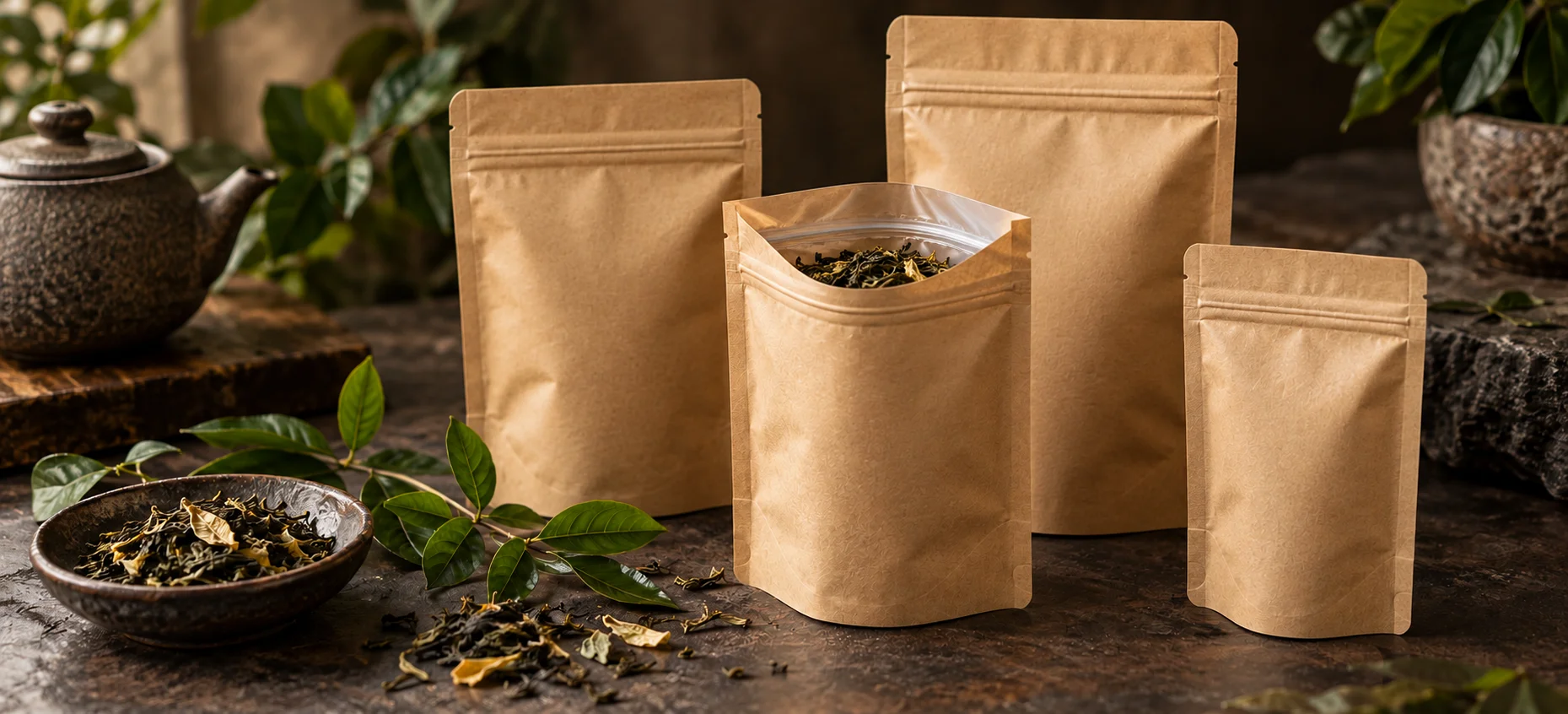
Packaging needs to preserve product quality, regardless of its environmental credentials. High-barrier laminates are essential for some products, but they can be unnecessary for dry goods with lower sensitivity to oxygen and moisture. Dylign combines 70gsm kraft paper with a 2.0 mil PLA film: the paper provides structure and a printable surface, while the PLA lining enables heat sealing and provides a functional inner layer. Available in multiple pouch formats, this structure is particularly suited to teas, dry snacks, and powdered products with shorter shelf-life requirements. By matching material performance to actual product needs, brands can explore compostable packaging without compromising the protection their products require.

Industrial Composting, Defined Standards

Industrial Composting,Defined Standards

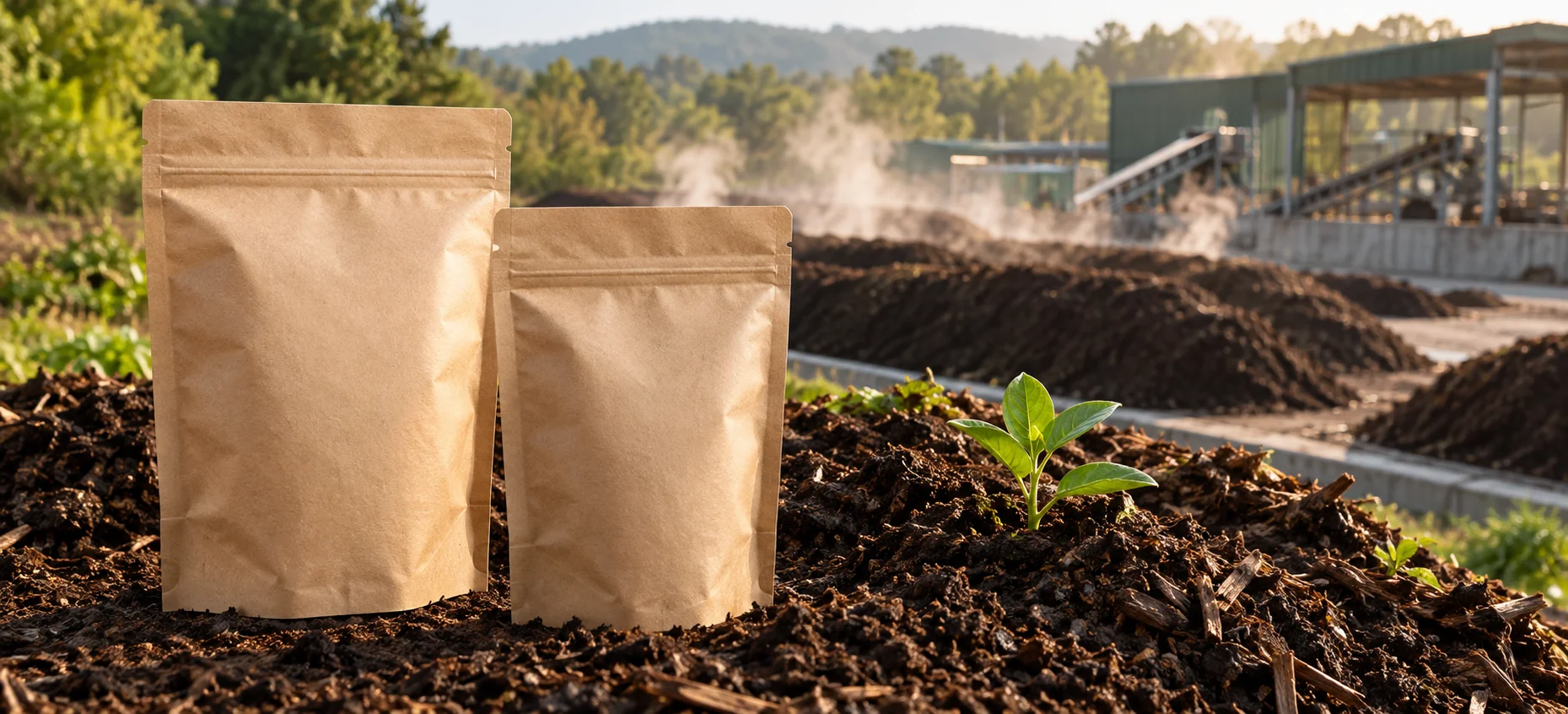
Unlike the variable conditions of a backyard compost bin, industrial composting uses managed temperature, moisture, and aeration to support biological breakdown. Standards such as ASTM D6400 and EN 13432 define measurable requirements for biodegradation, disintegration, and compost quality, providing a framework for evaluating whether packaging is suitable for this process. Dylign's kraft paper and PLA pouch options identify industrial composting as their intended end-of-life pathway. With packaging EPR regulations placing greater attention on packaging waste management, understanding the appropriate disposal pathway is increasingly important. This gives brands a clearer basis for assessing certification requirements and providing disposal guidance wherever suitable facilities accept the material.

Custom Packaging, Lower Barriers

Custom Packaging,Lower Barriers

For growing brands, adopting new packaging materials can be difficult when specialized production, high minimum orders, and custom tooling increase upfront costs. Dylign helps make compostable packaging more approachable through factory-direct pricing, custom printing, and flexible formats: stand-up pouches, flat-bottom pouches, flat pouches, and stick packs. Rather than changing an entire product range, brands can start with a suitable SKU, evaluate its packaging performance, and expand as demand grows. Combined with 3D design previews and flexible customization options, this approach helps businesses explore compostable packaging while retaining their brand identity and keeping production decisions manageable.

Ready to Make Compostable Packaging Work for Your Brand?

Explore compostable material options, customize your packaging, and bring your next packaging idea to life with Dylign.

See Your Packaging in 3D