Wrapped chocolate bars
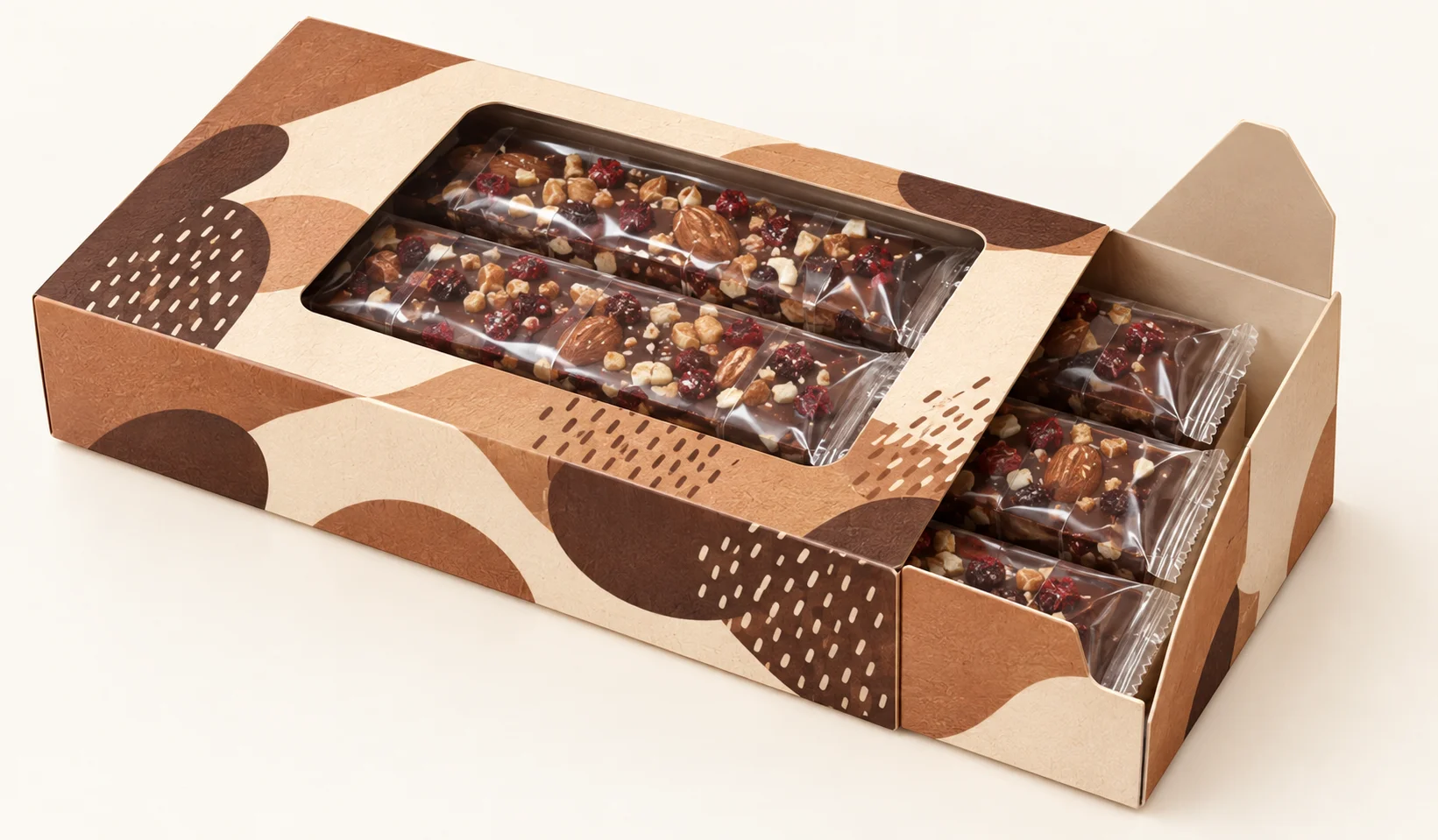
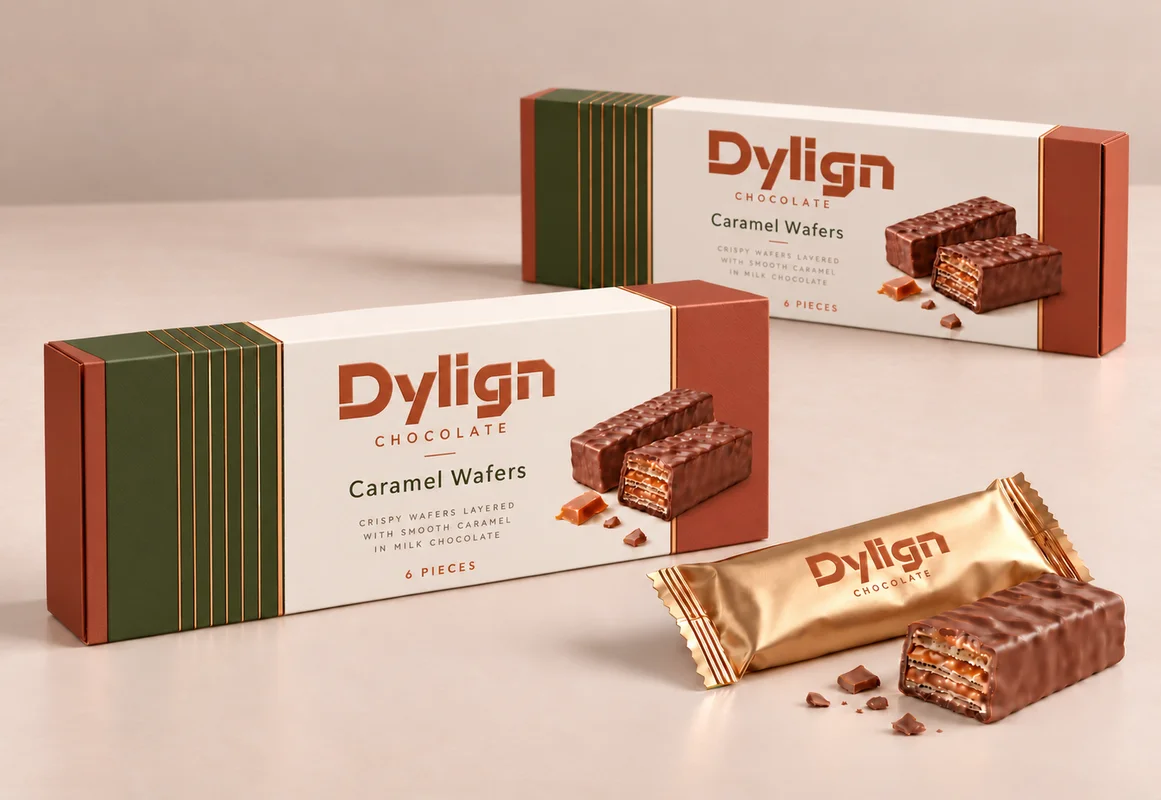
Fit wrapped chocolate bars securely in folding cartons, allowing enough clearance to prevent compression or damage.
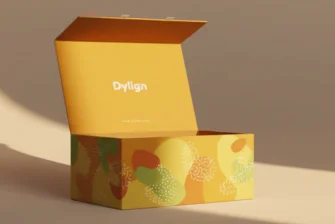
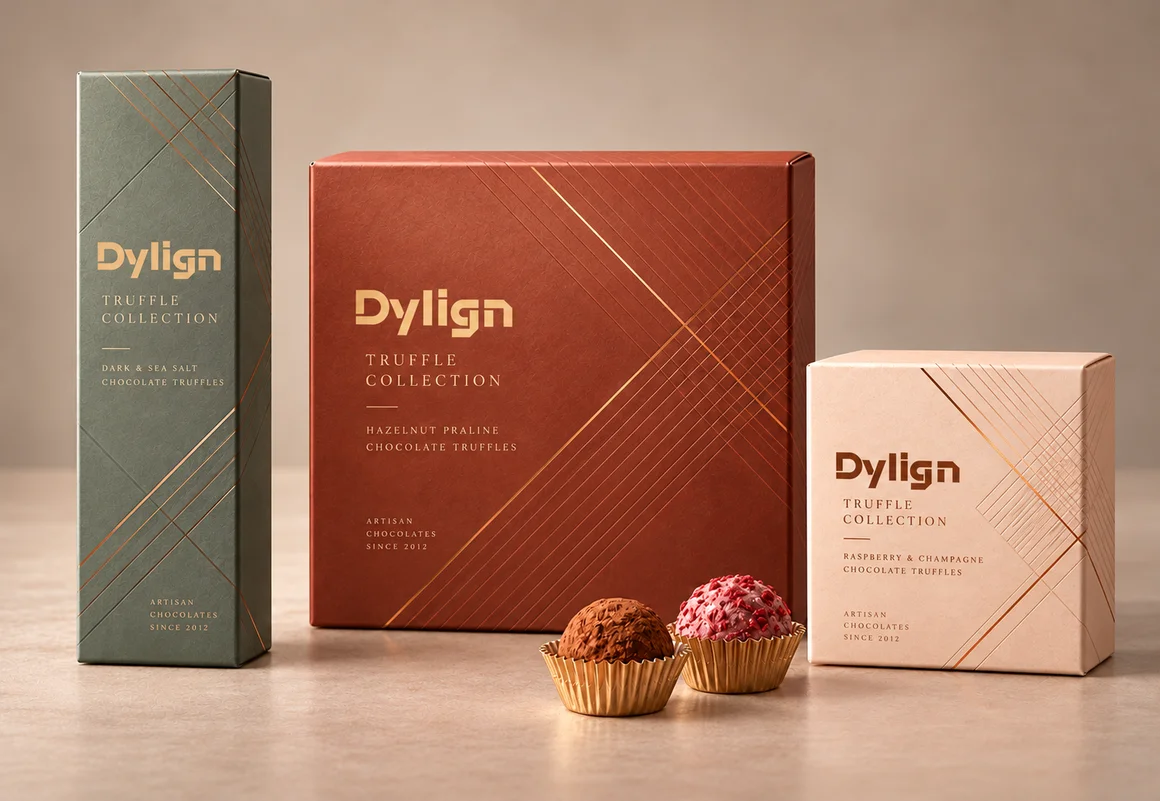
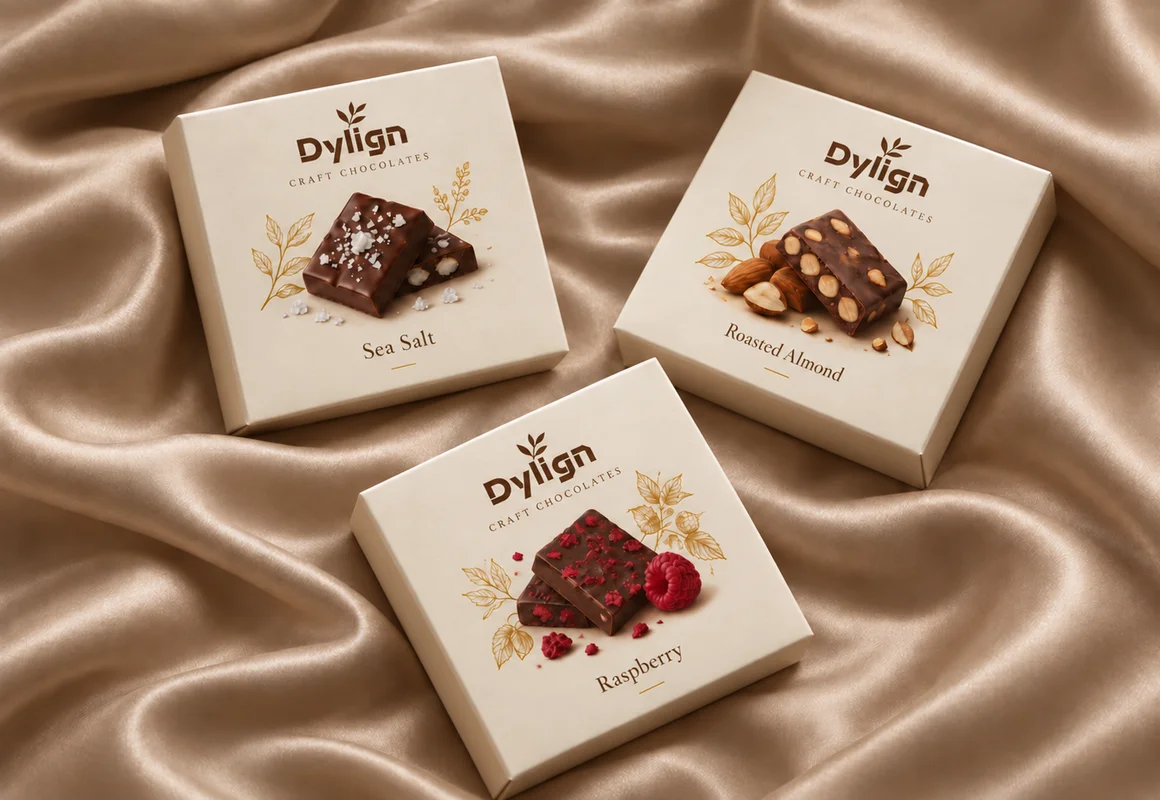
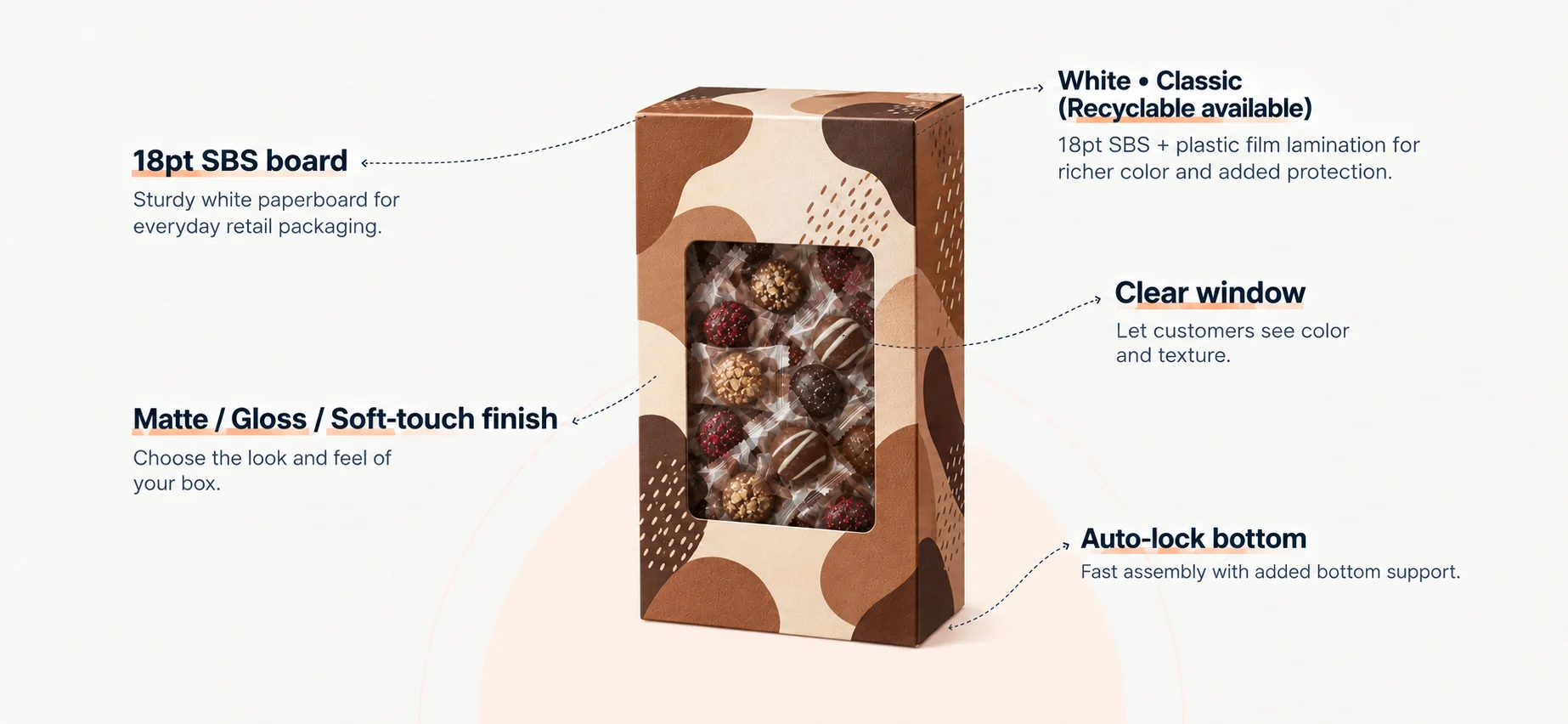
Present wrapped chocolate bars, assortments, and seasonal collections in custom printed folding cartons that organize inner packs for retail display, with configurable sizes, paperboard, and artwork to suit your product line.
From 100 Units
Sustainable Options
Instant Quotes
3D Design Preview
Select your specs to get an instant landed price.
Durable, premium feel
Production Time
7 - 9 days
Shipping Time
21 - 28 days
Total Fulfillment Time
28 - 37 days
Estimated Delivery
Dec 22 - Dec 31
Great chocolate packaging starts with protecting the delicate chocolate inside and creating a memorable experience on the outside. For heat-sensitive products such as chocolate bars, cold seal packaging uses a specially applied adhesive that bonds under pressure without heat, helping prevent melting, softening, and deformation during wrapping. Cold seal technology is particularly well suited to chocolate flow wraps, supporting consistent sealing and efficient high-speed production.
At Dylign, our custom chocolate boxes complement your primary packaging with structural support, organized product presentation, and distinctive branding. Whether you're packaging individually wrapped bars, assorted chocolates, or seasonal gift collections, customize your folding cartons around the finished wrapper dimensions, inner trays, and product arrangement. Choose your paperboard, finishes, and artwork, preview your packaging in 3D, and order a physical sample to ensure everything fits together before bulk production.
From individually wrapped bars to multi-piece assortments, each chocolate pack-out changes carton dimensions, internal positioning, and the clearance needed for clean closure.
Fit wrapped chocolate bars securely in folding cartons, allowing enough clearance to prevent compression or damage.
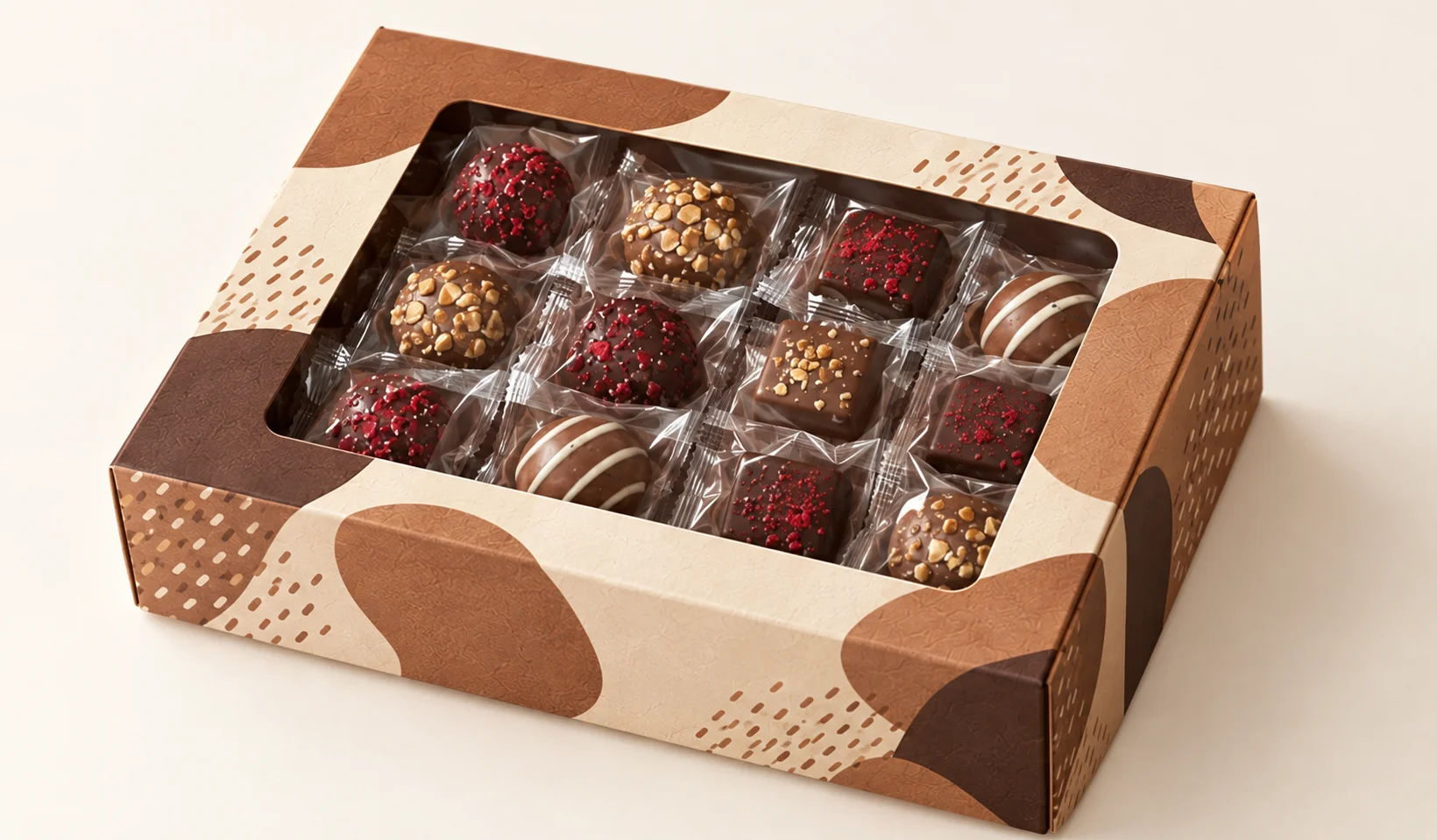
Arrange wrapped chocolates, pralines, or truffles with proper spacing to prevent shifting and maintain presentation.
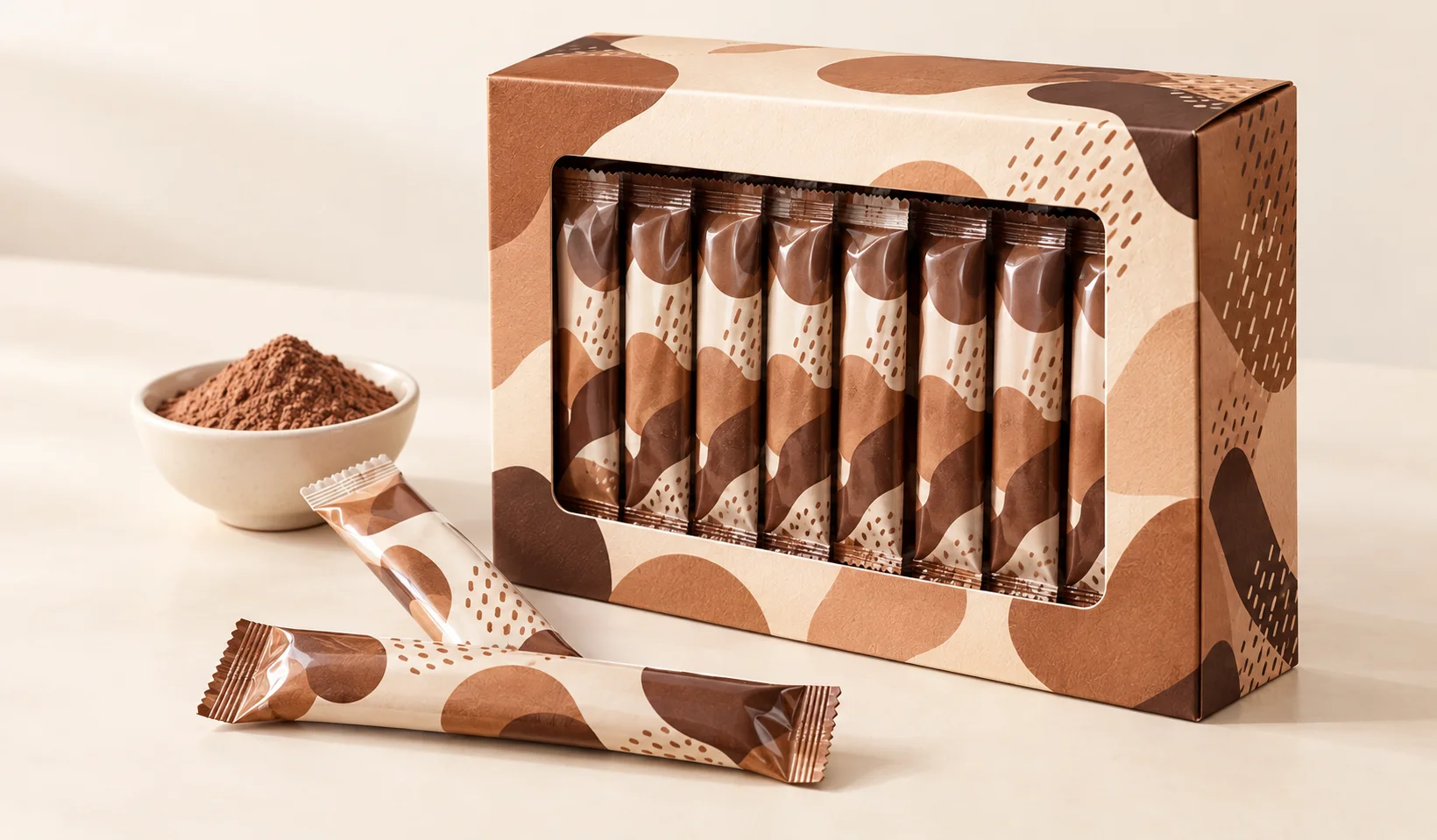
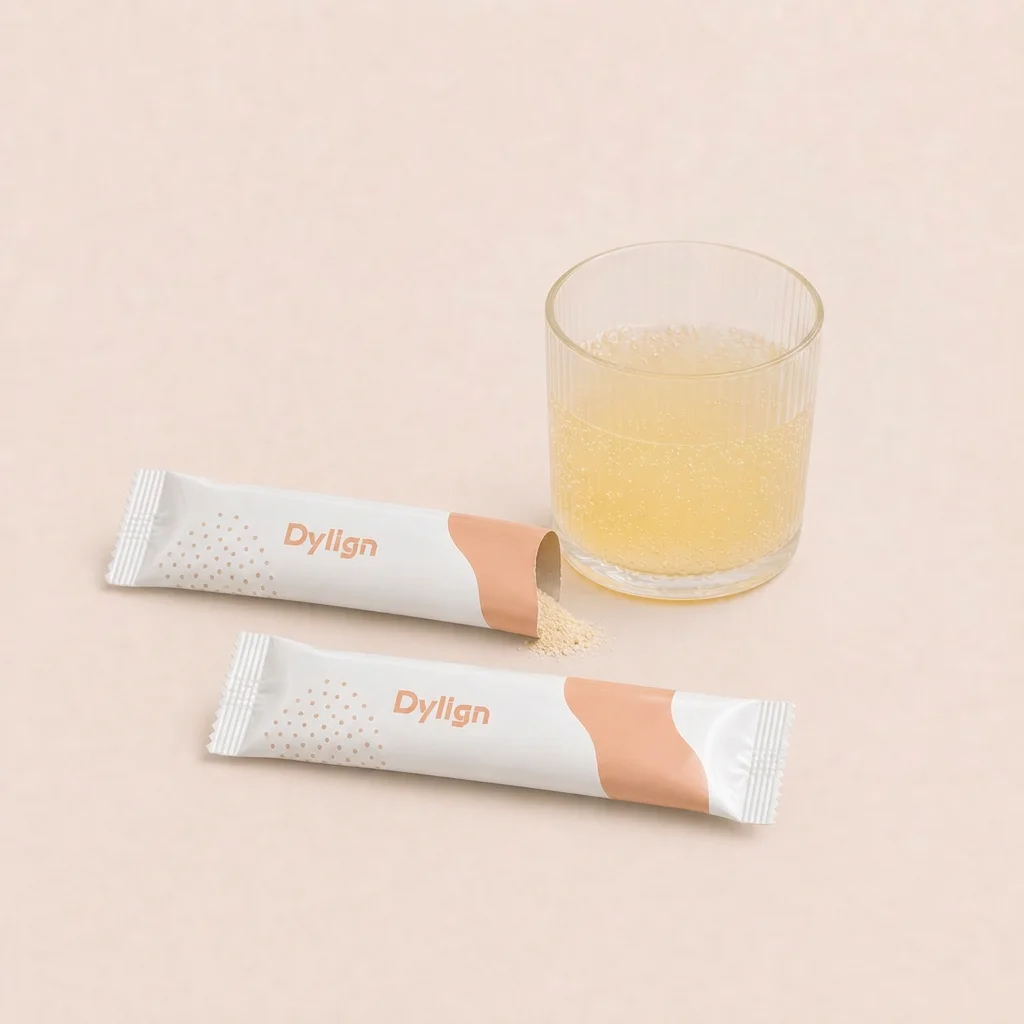
Pack hot chocolate sticks in printed cartons with proper spacing for secure storage and easy access.
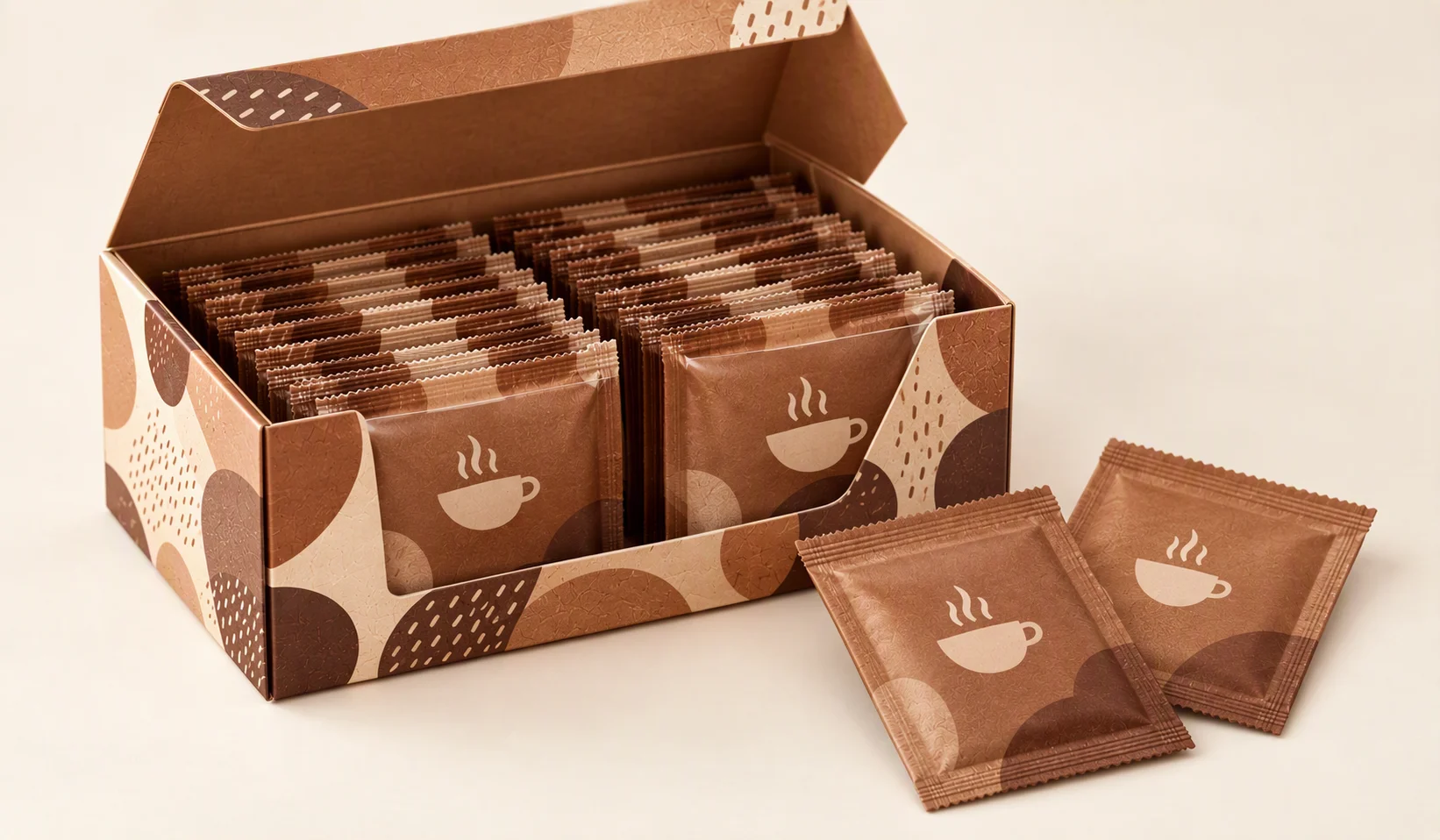
Organize single-serving chocolate sachets in folding cartons, allowing room for stacking and easy removal without compression.
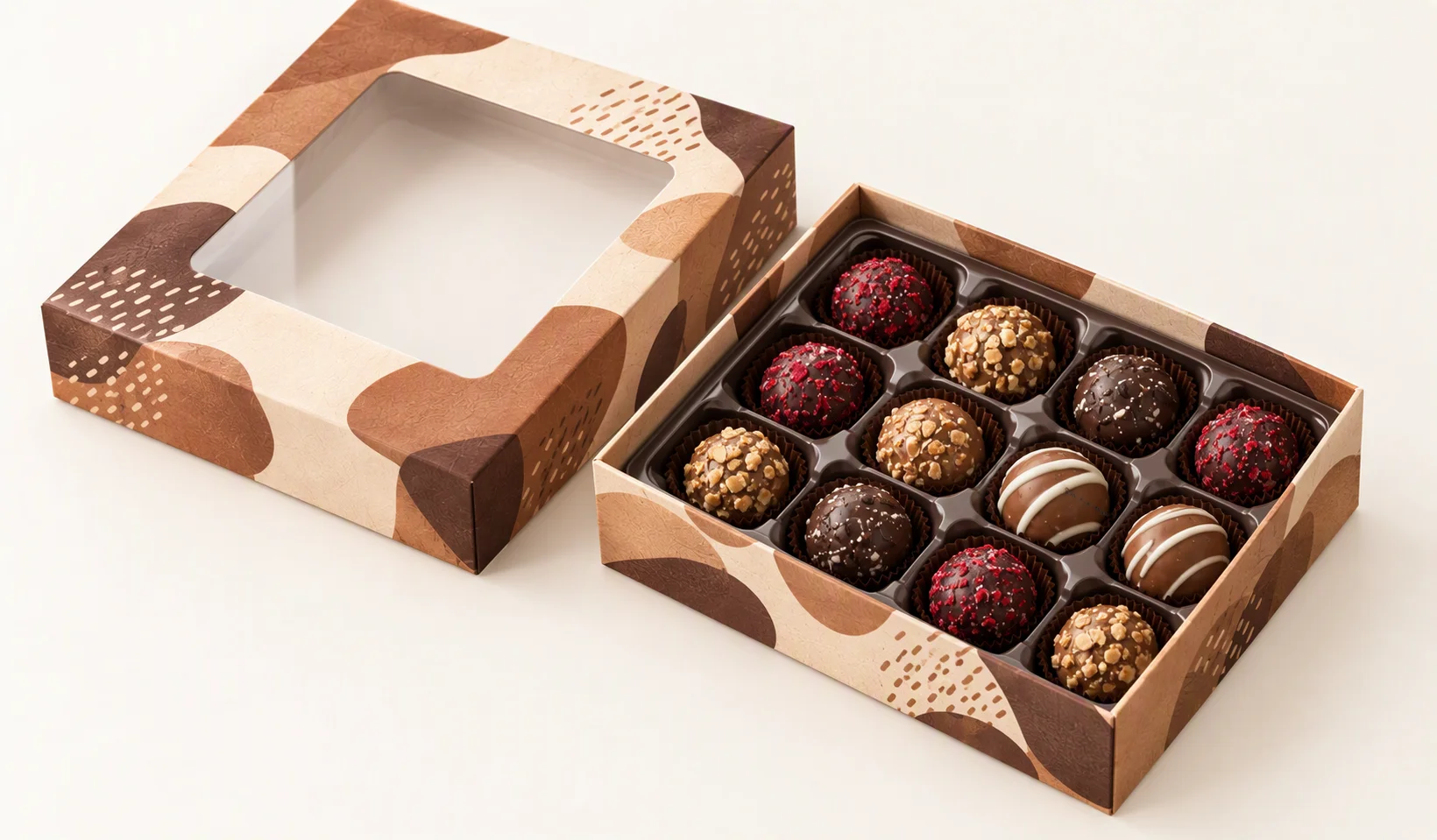
Use fitted trays or inserts to hold chocolates securely, preventing movement while maintaining a neat presentation.
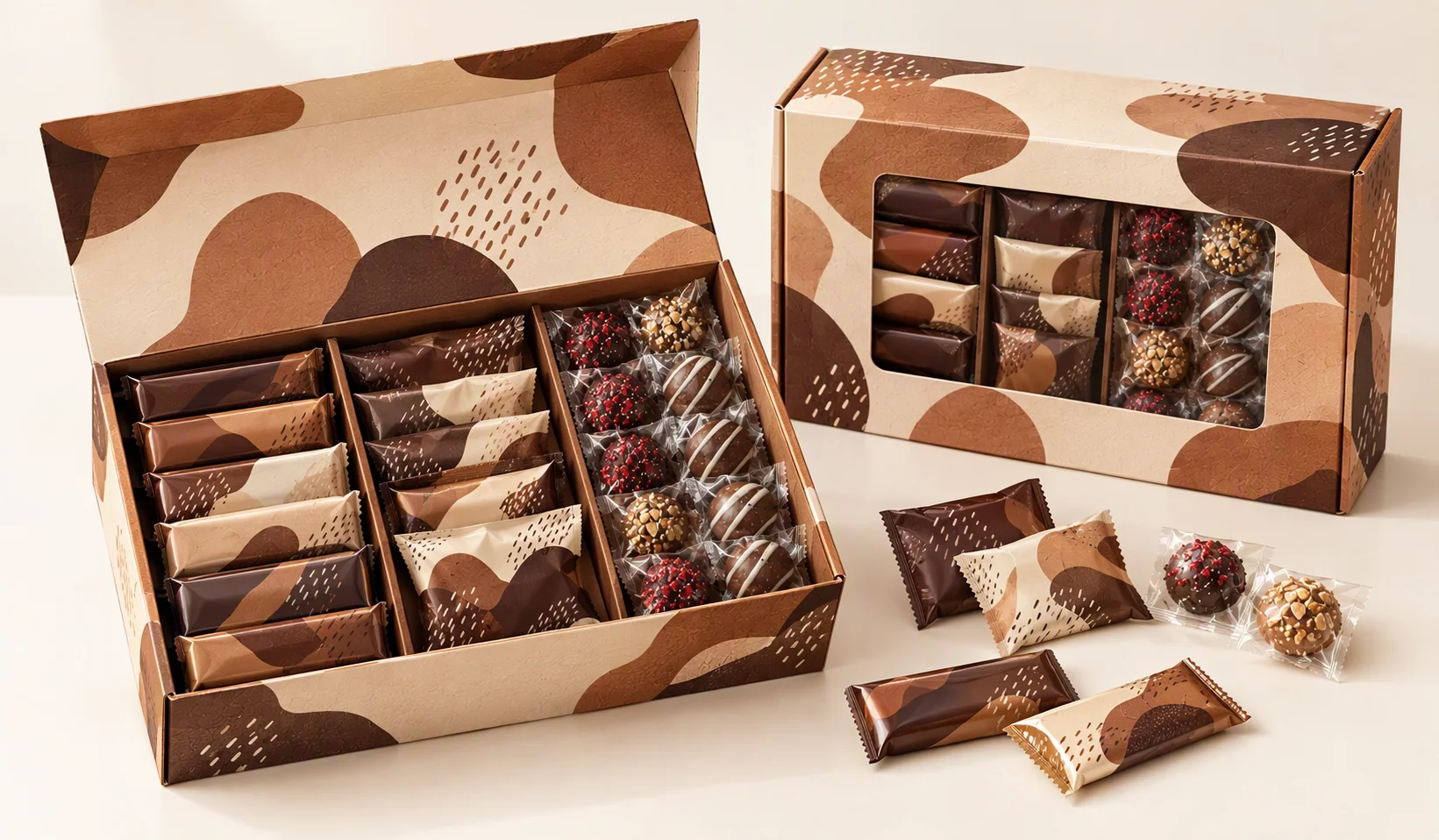
Combine chocolate bars, mini packs, and assorted chocolates with proper spacing for secure, organized presentation.
From protecting delicate chocolate during wrapping to creating a distinctive retail presence, every packaging detail matters. At Dylign, we help you design custom chocolate boxes that work with your primary packaging, protect your products during handling, and present every flavor at its best
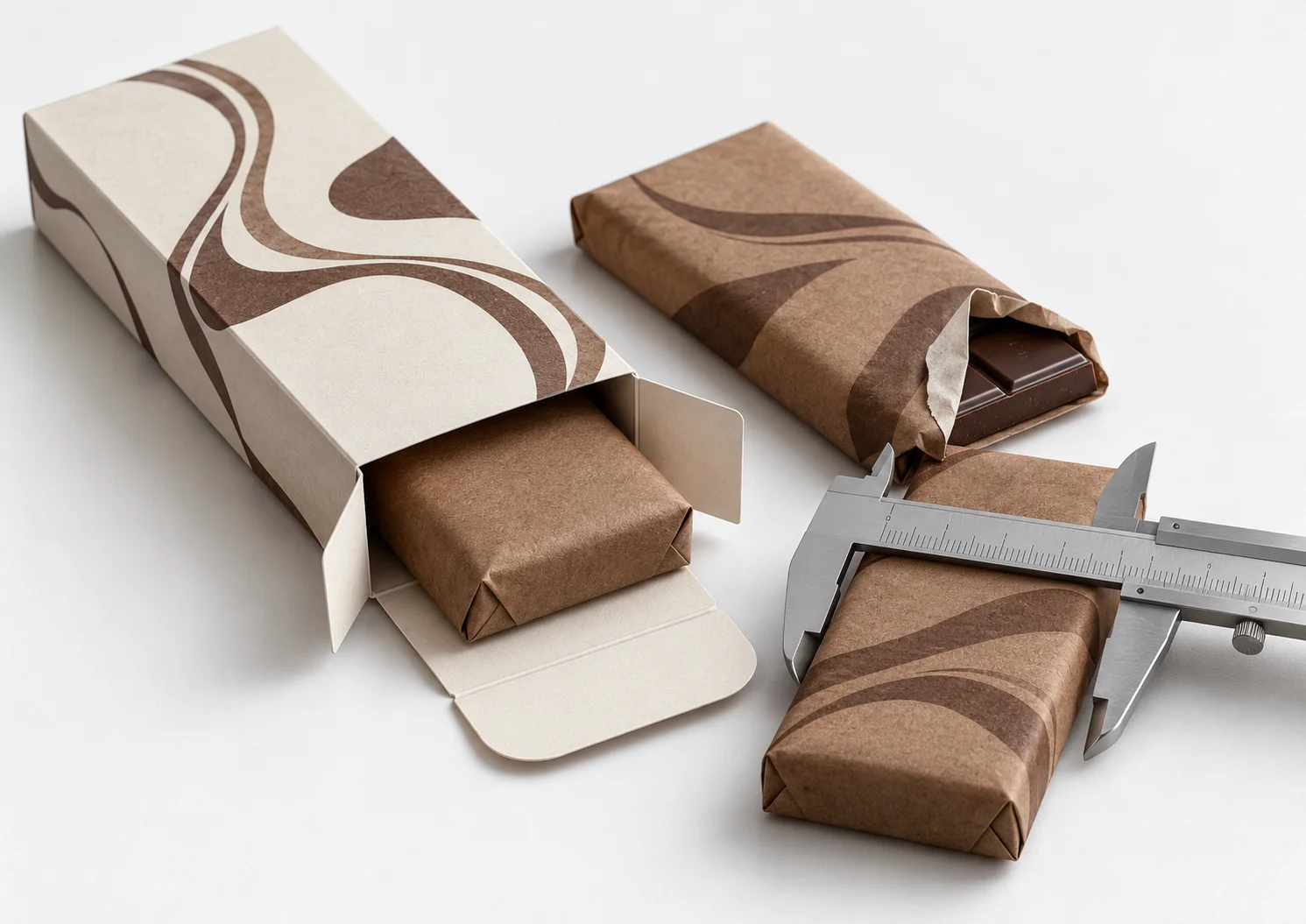
A well-fitted chocolate box keeps wrapped bars and assortments securely in place without putting unnecessary pressure on delicate pieces
Fix: Customize your box dimensions around the fully wrapped chocolates, inner trays, and closure clearance. Order a physical sample to confirm the fit before bulk production
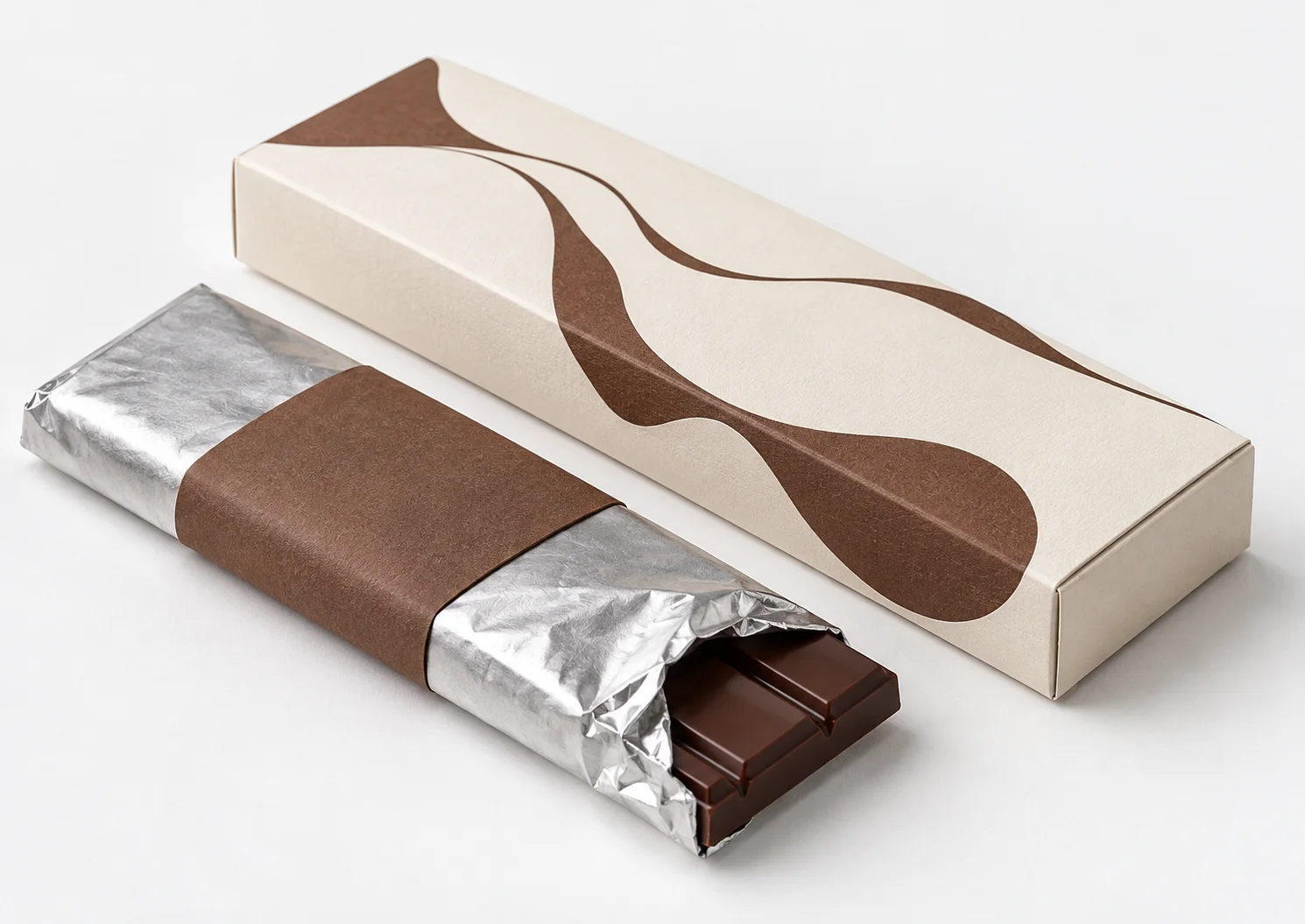
Chocolate deserves packaging that looks as good on the shelf as it did when it left production. Suitable inner wrappers and protective carton finishes help maintain a clean, polished appearance
Fix: Pair appropriate primary packaging with our matte, gloss, or soft-touch finishes to enhance your brand presentation and protect printed surfaces during handling
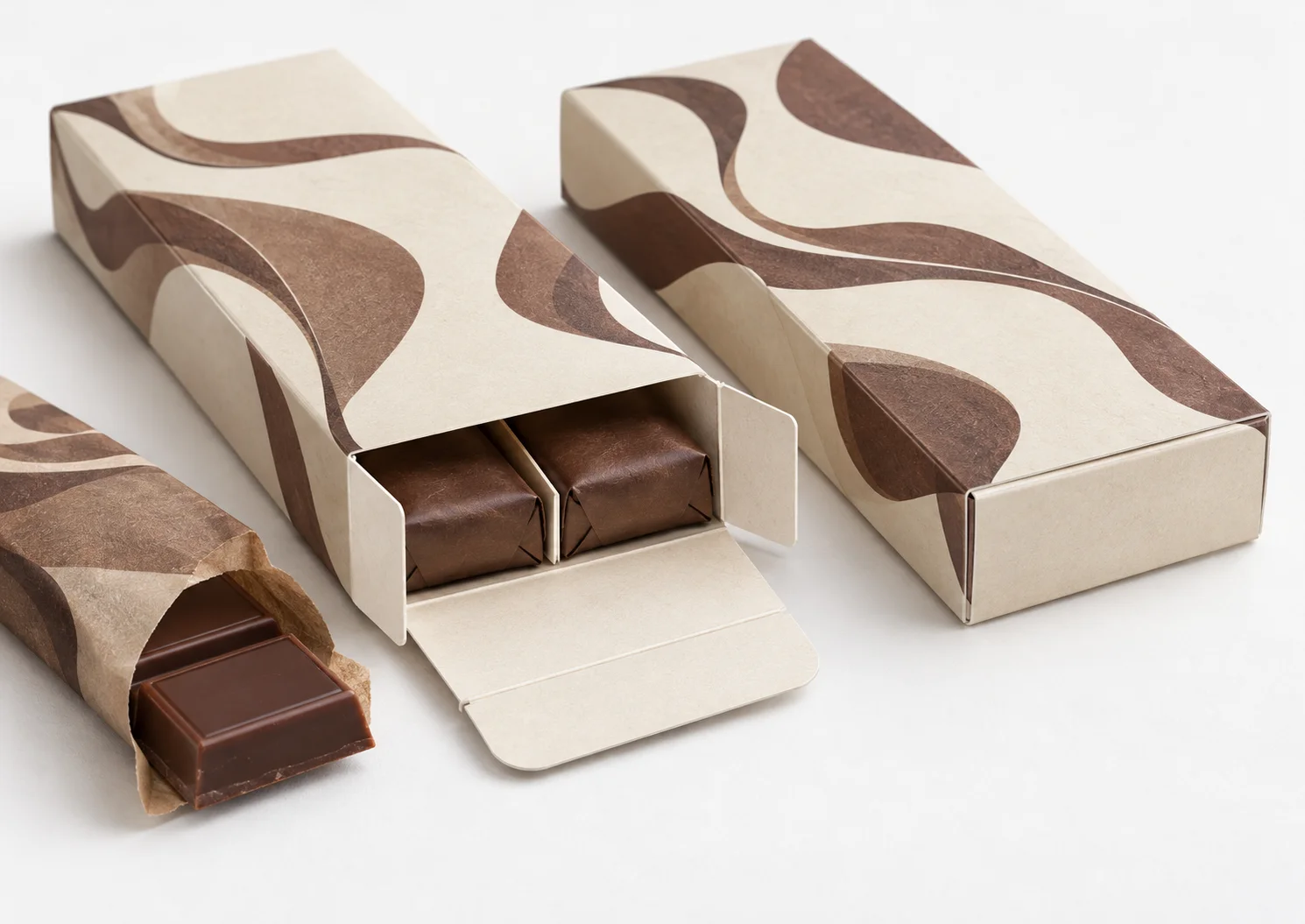
Cold seal packaging uses a pressure-activated adhesive to seal wrappers without heat, reducing the risk of melting, softening, or deformation during the packaging process
Fix: Pair cold-sealed chocolate flow wraps with custom folding cartons to combine heat-sensitive product protection, structural support, and a branded retail presentation
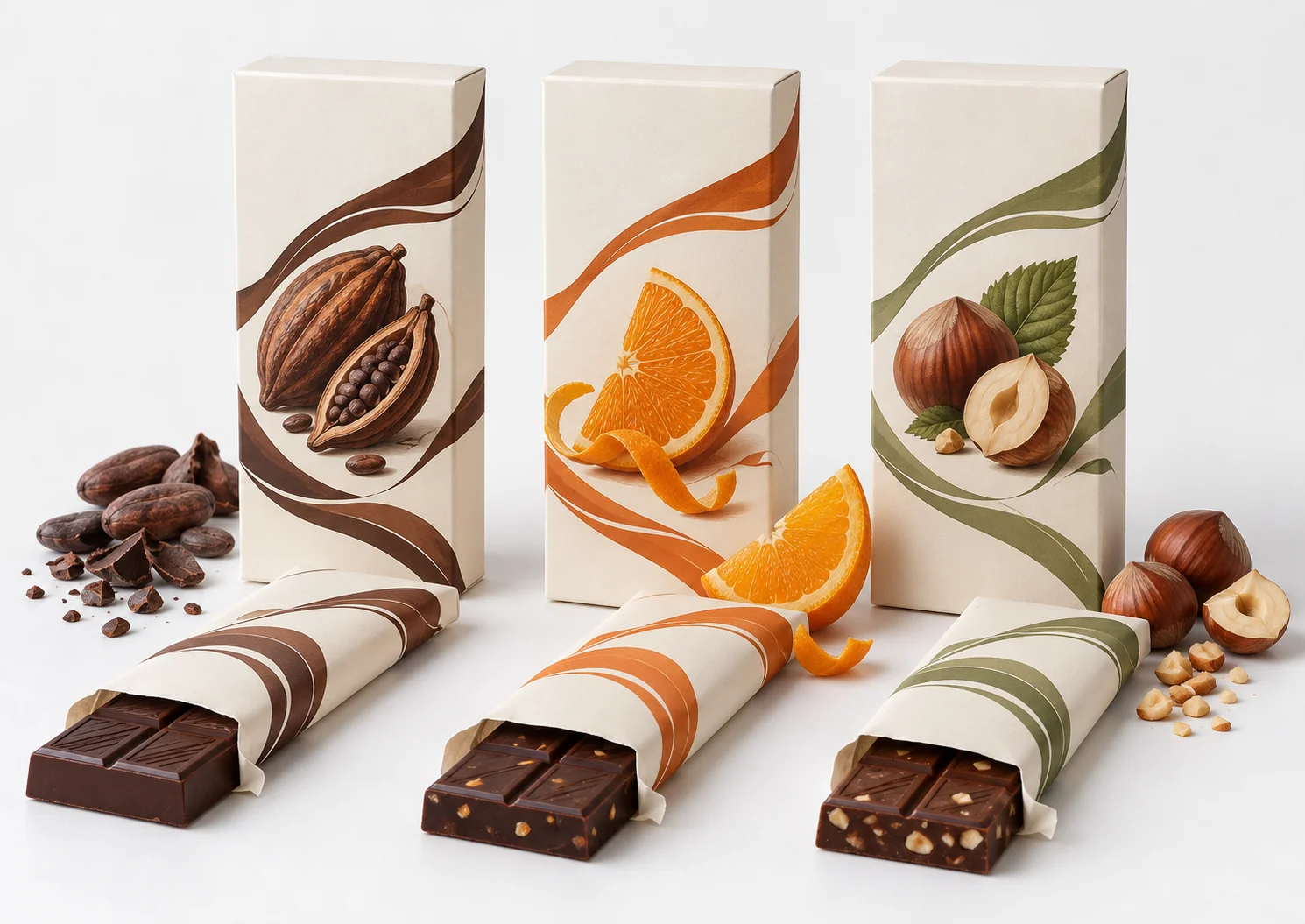
Distinctive colors, cacao percentages, origin details, and flavor cues help customers discover their favorites and explore your chocolate collection
Fix: Customize the artwork across your chocolate boxes and preview each design in our 3D design tool to create a recognizable, cohesive product range
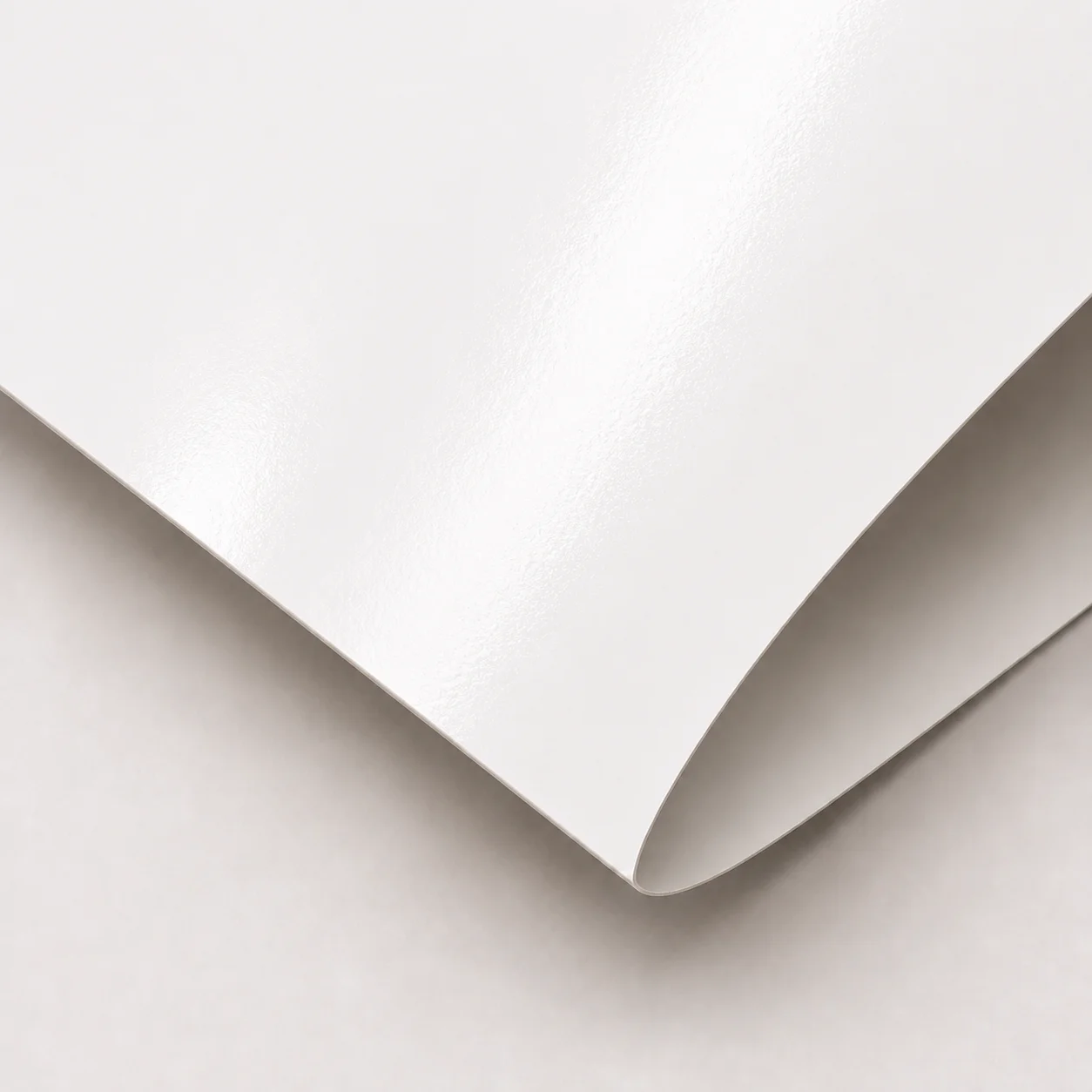
A high-grade, bright-white paperboard made from bleached virgin fiber, delivering crisp, vivid print quality and reliable structure for everyday packaging. Ideal for retail goods, cosmetics, and lightweight items needing a clean, polished look.
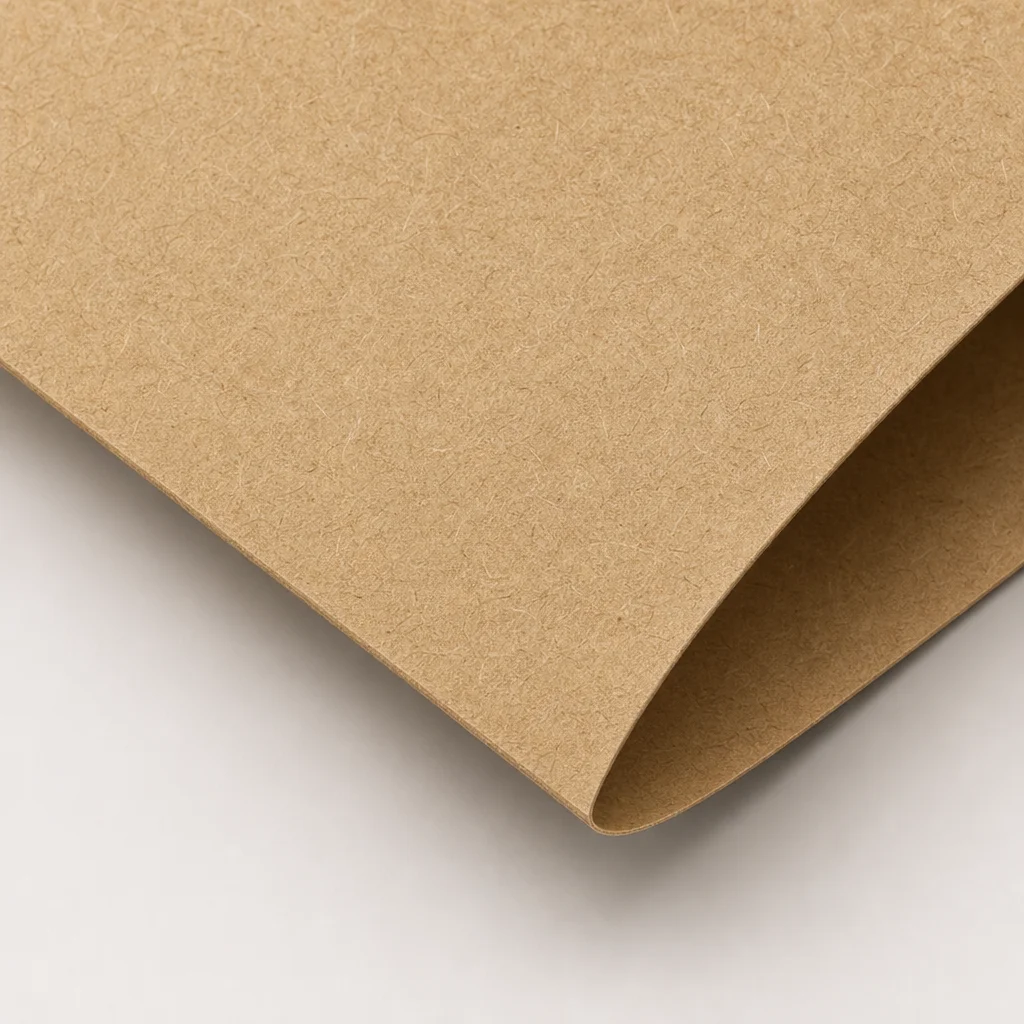
Uncoated, plastic-free kraft board with a naturally soft, earthy look. Ideal for eco-friendly brands going for an authentic, raw vibe.
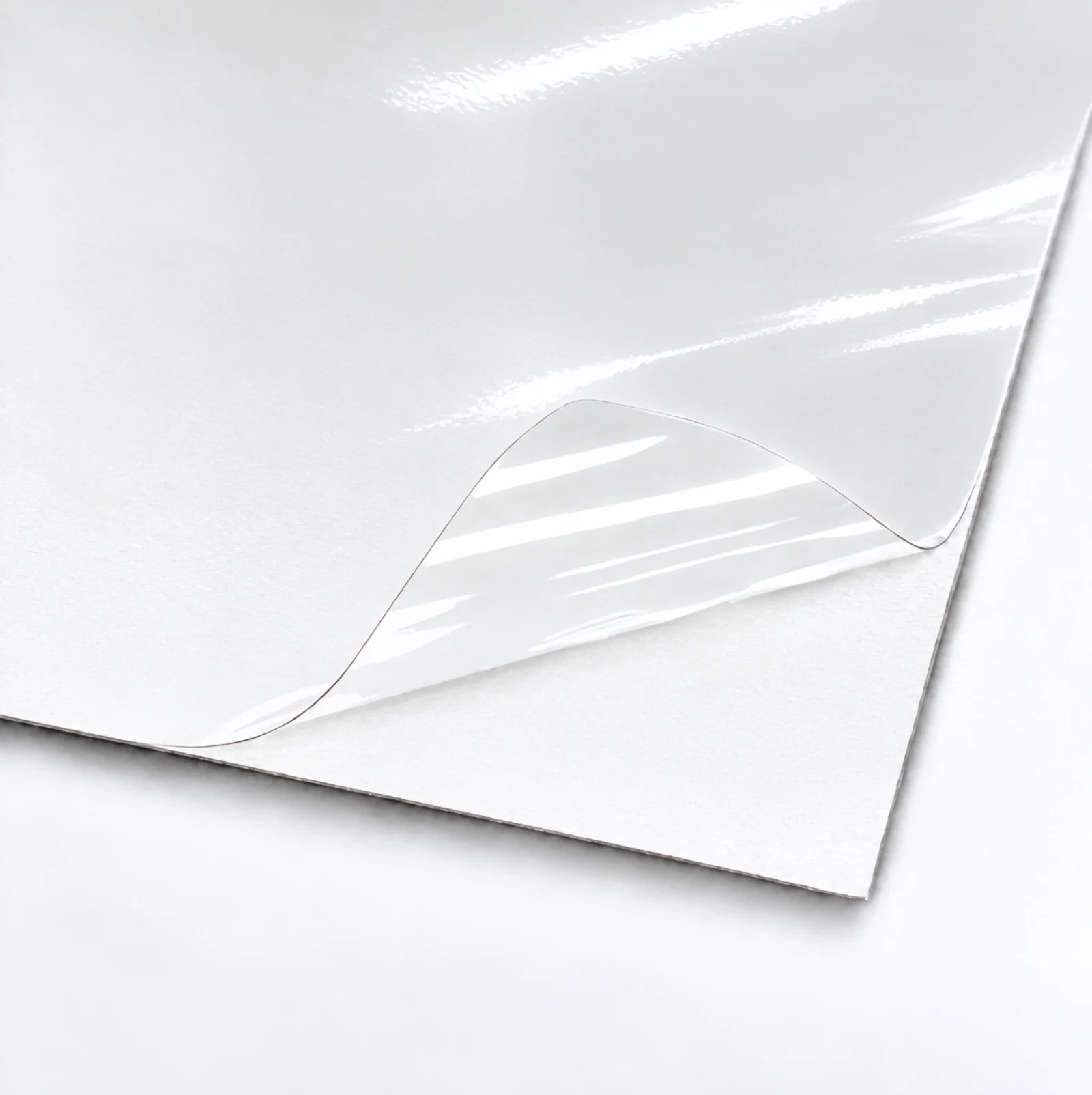
Gloss plastic film lamination that enhances color vibrancy and adds a smooth, high-shine protective layer.
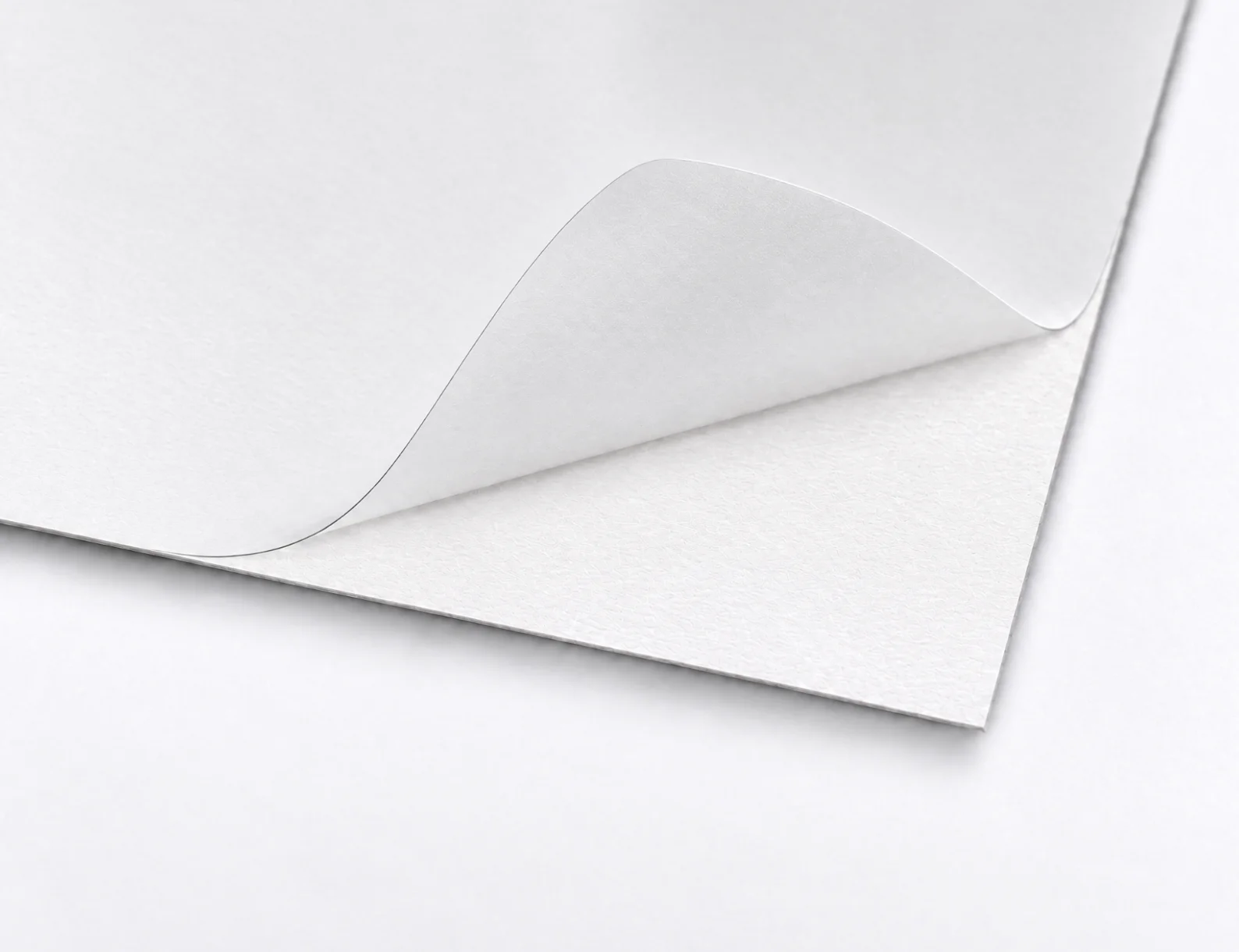
Matte plastic film lamination with a smooth, non-reflective finish. Reduces glare while adding surface protection and a clean, refined look.
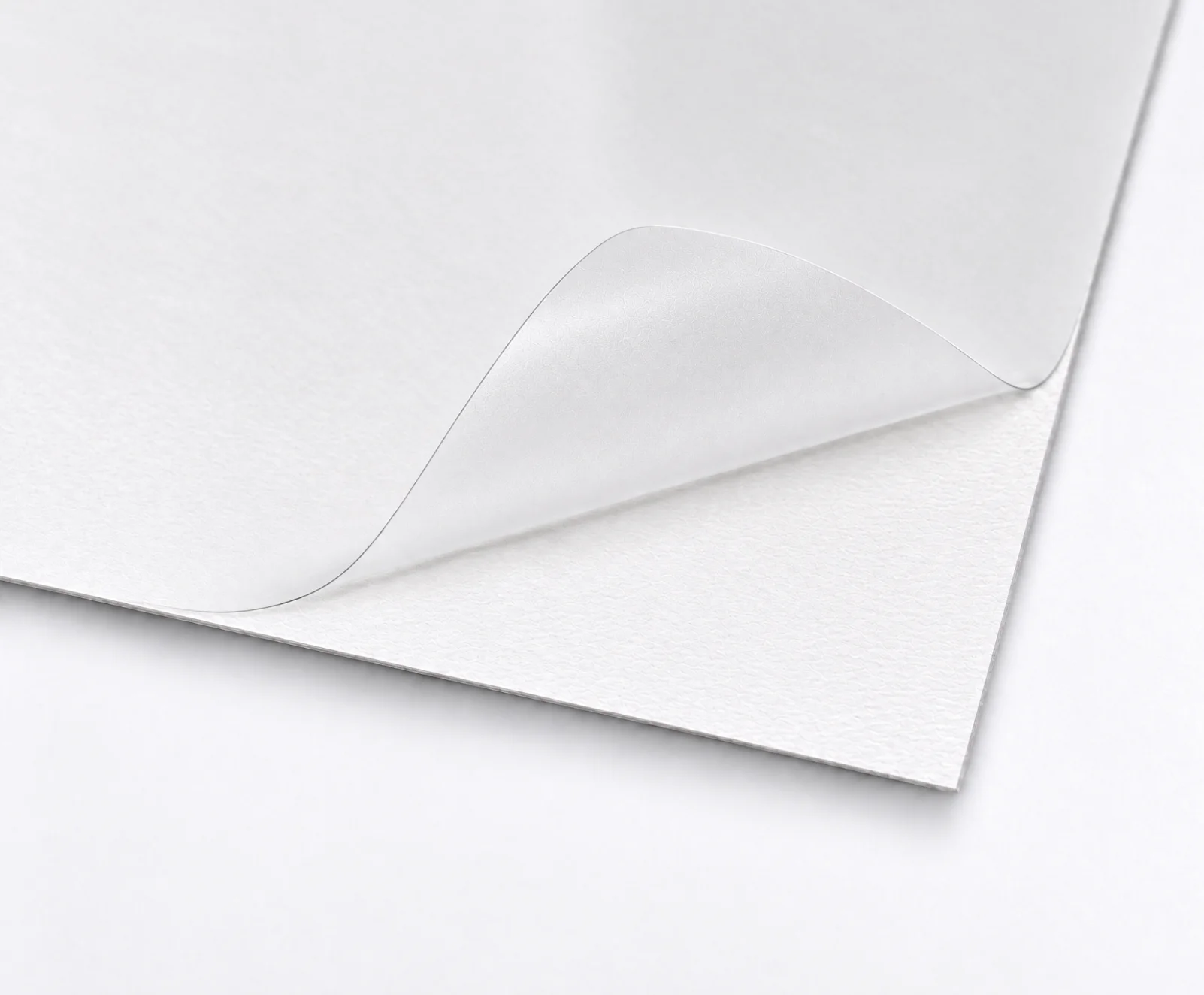
Soft-touch plastic film lamination with a velvety, ultra-matte texture. Adds a premium tactile feel and elevated finish.
An SBS paperboard folding carton offers a white printing surface, while kraft folding carton packaging keeps a natural brown appearance. Compare 18 pt SBS with the 20 pt SBS upgrade, or consider 18 pt kraft, then check the fit with your product and any insert.
Folding carton material thickness options are expressed in points (pt) or paper weight (gsm). Choose the board together with the carton dimensions and bottom style.
Looking for an eco-friendly, recyclable folding carton? Film-free white board or uncoated kraft can be a strong choice, especially when paired with simple finishes and widely accepted recycling streams.
Recyclability follows How2Recycle and FTC Green Guides: uncoated and varnished board is widely recyclable when clean and dry, while plastic-film-laminated board carries a Check Locally label. Foil, metallization, soft-touch lamination, plastic windows, and heavy specialty coatings can reduce or complicate paper recycling.
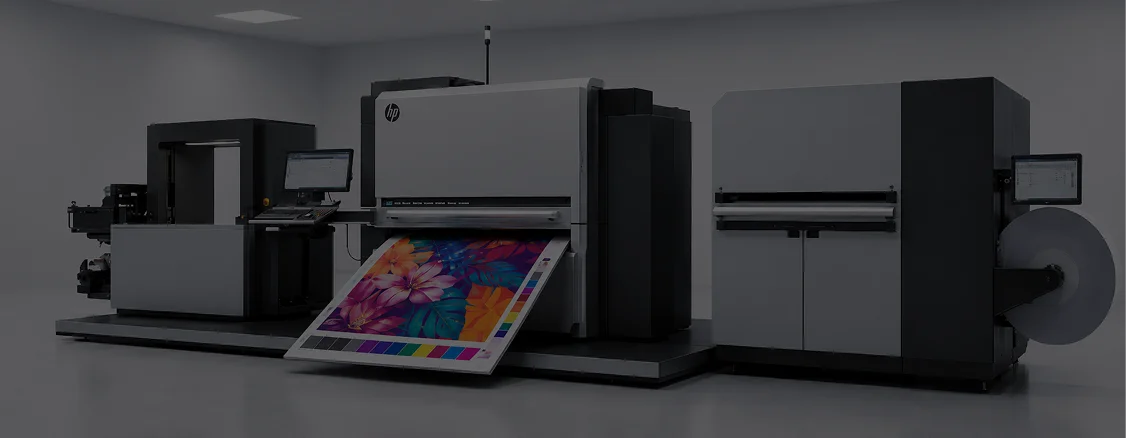
Offset printing with Pantone-accurate color and sharp, clean text.
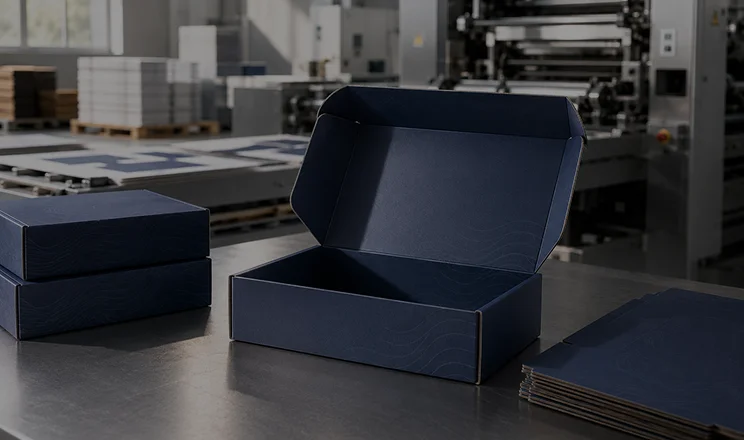
Clean folds and solid corners keep every piece sharp and sturdy.
Your tenth reorder looks like your first, from a 100-unit test run to full production.

Every order is inspected against your approved specs before it leaves.
Start small, test your design, and scale when you’re ready.
360° preview and landed price in one second.
Direct savings, back into your product
Recyclable and compostable options on all products.
1
Customize your packaging and see your design come to life.
2
View your total landed cost instantly, with no hidden fees.
3
Review and approve your digital proof before production.
4
Check your packaging in person before full production.
5
Confirm your order and let us handle production and delivery.
No. Dylign's standard folding cartons are recommended for secondary packaging, not direct chocolate contact. Unwrapped chocolates should first be placed in suitable food-contact primary packaging, such as an approved wrapper, cup, or tray system. A printed paperboard finish does not establish direct-contact suitability. Confirm the contact materials and the complete pack-out before configuring the outer carton.
Start with the number of pieces and their complete primary-wrapped dimensions. Small assortments need enough internal space for neat positioning without leaving excessive movement room. A fitted insert may help with presentation, but its construction and availability must be confirmed separately. If you are using a folding carton, check the assembled pack-out and opening clearance before selecting a final box size.
No. A printed folding carton does not provide temperature control or guarantee protection against melting or chocolate bloom. Temperature-sensitive shipments require evaluation of the complete packaging, storage, insulation, transit time, and shipping environment. Dylign's folding carton can serve as the printed retail box inside a separately designed shipping system. Test the actual route and conditions before approving distribution.
A chocolate tray should position each primary-wrapped piece without excessive movement, scraping, or pressure on delicate decorations. Allow for normal variations in product size and confirm that the pieces remain easy to remove. For a Dylign folding carton, the tray is a separately confirmed component of the pack-out. Check tray height, outer carton clearance, and fill closure with a physical sample.
The most suitable carton bottom depends on the packed weight, assembly process, and retail handling requirements. Dylign lists tuck-bottom, auto-bottom, and snap-lock constructions in its current Folding Cartons configurator. Compare how the selected structure assembles and closes around your wrapped bars, then check a filled sample. Do not assume that a stronger-looking closure is necessary or suitable without checking the actual load.
Confirm that product identity, flavor, cacao percentage where relevant, required labeling, and barcode placement remain clear on the assembled box. Check fold lines, glue areas, tuck flaps, and panel orientation before approving the artwork. Dylign's 3D preview helps evaluate the assembled design, but a production sample is useful for confirming printed color, board feel, finish, and physical fit.
SAMPLES FROM
Loading...
PRODUCTION ERROR
$7,000
 100 MOQ
 100 MOQ
 100 MOQ
 100 MOQ
 100 MOQ
 100 MOQ
 100 MOQ
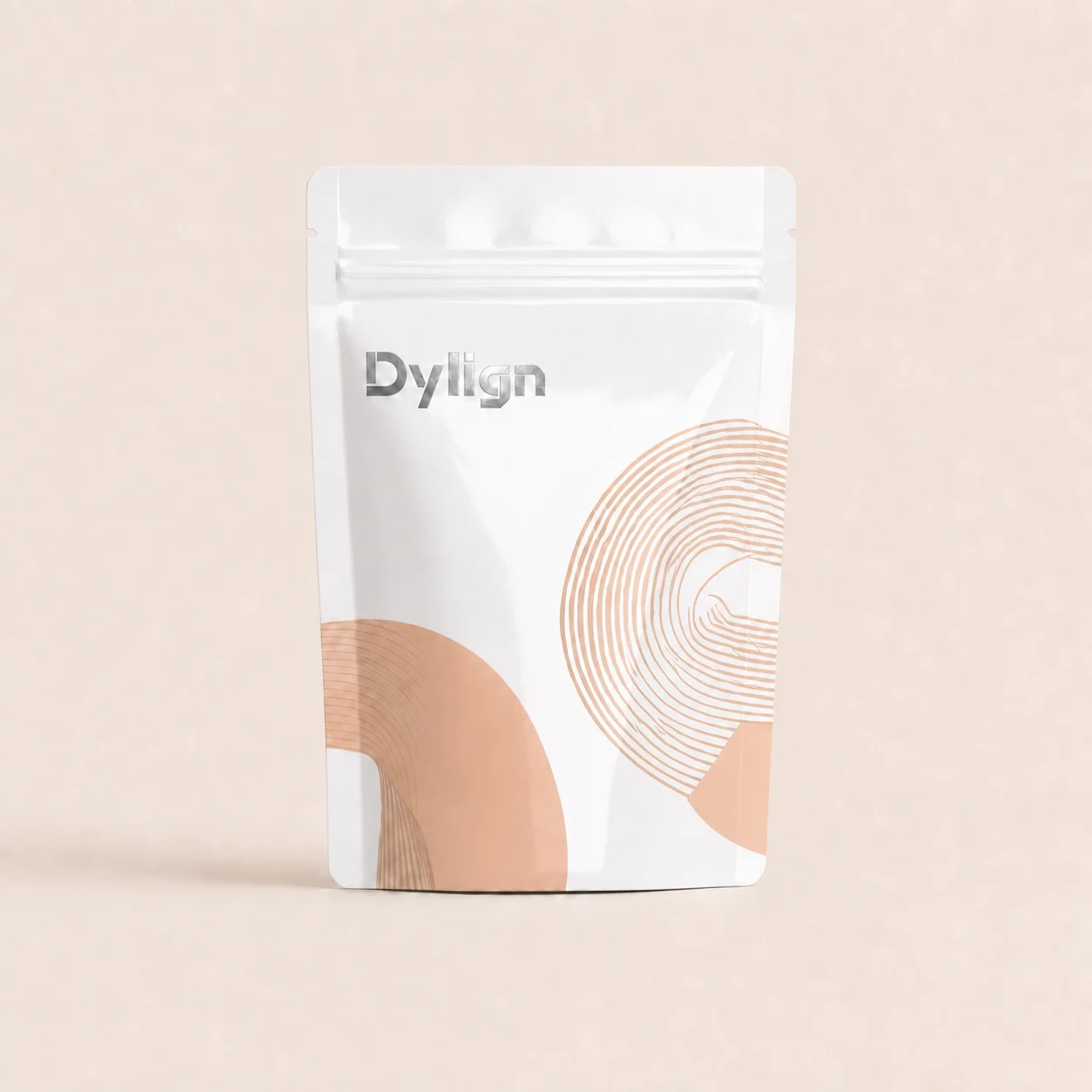
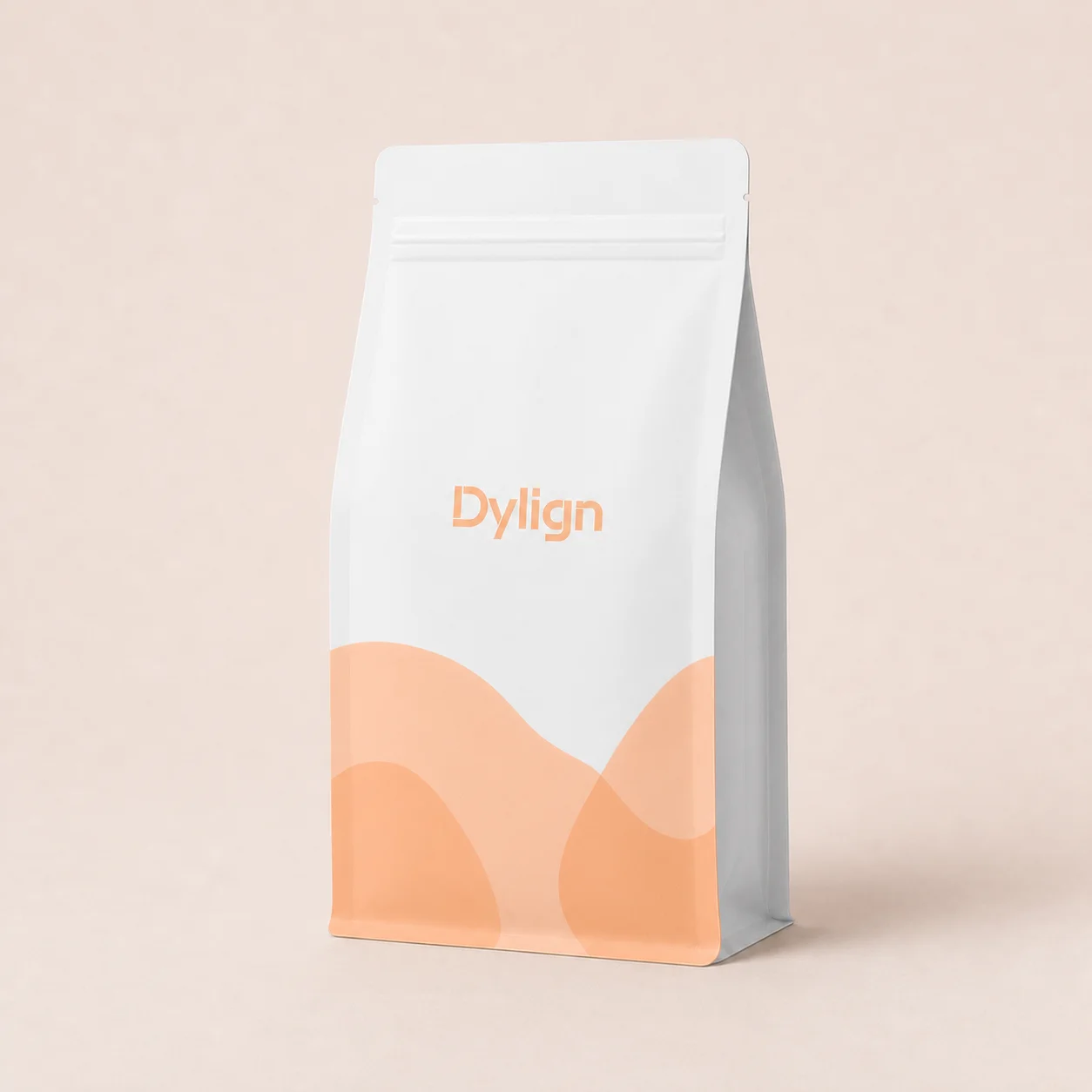
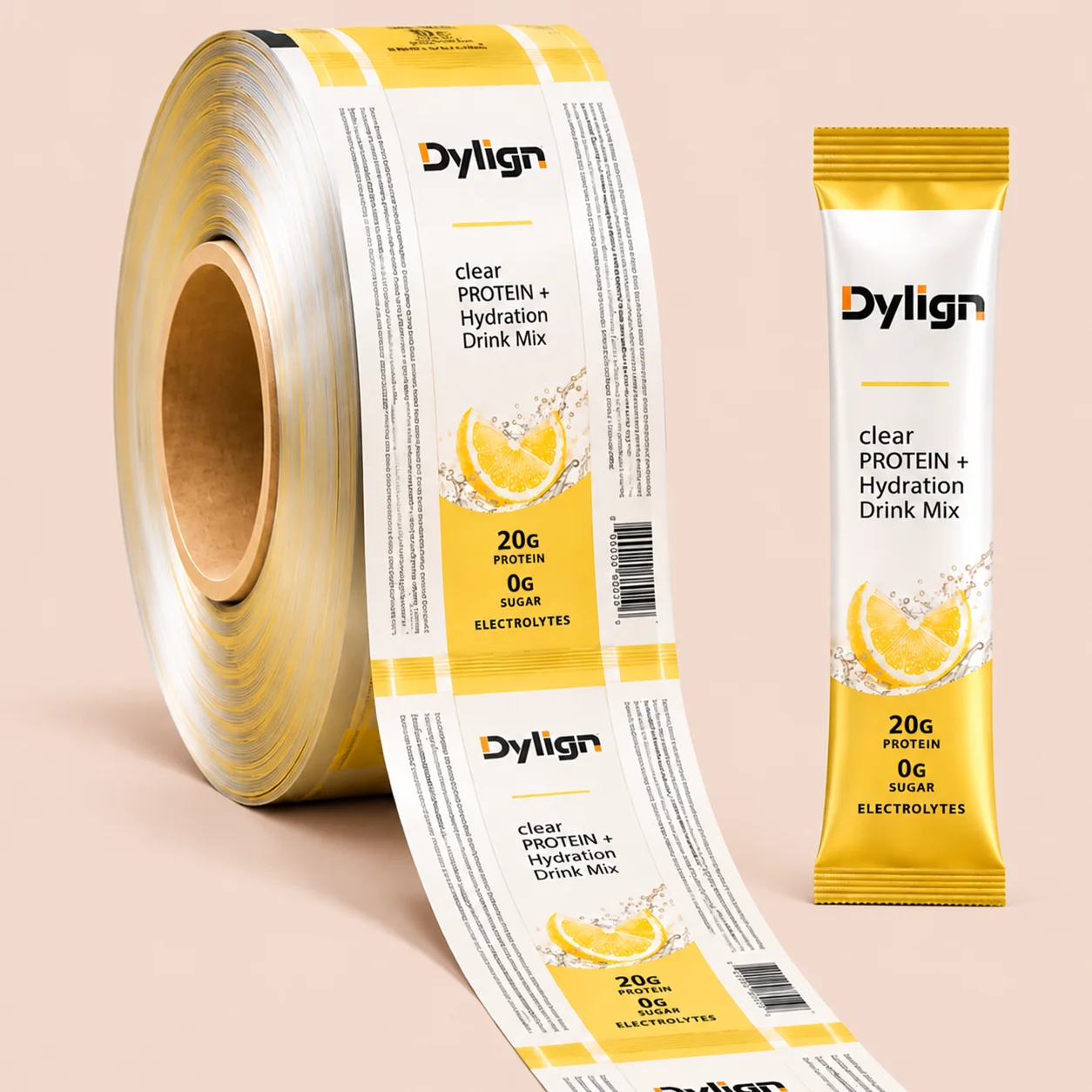
Multiple formats | Printed film for your filling line
 Premium retail
 Vivid artwork
 Maximum durability
 Eco-forward brands
 Easy recyclability
 Everyday use
 Natural brands
 Organic products
 Raw, natural look
 Full-color printing

 Widely Recyclable