A coffee bag can look premium, stand perfectly on a shelf and still disappoint when opened. Oxygen exposure can change roasted-coffee aroma over time, while the carbon dioxide released after roasting creates its own packaging challenge. Neither problem is solved by choosing an attractive pouch finish.
Oxygen barrier bags reduce oxygen transmission through the packaging material. For coffee, that barrier is only one part of a working system: residual oxygen at filling, heat-seal integrity, one-way valve design and distribution conditions all affect the outcome. This is why buyers looking for oxygen barrier coffee bags should begin with the coffee and its planned sales route, not a supplier's generic “high barrier” badge.
Oxygen can enter at more than one stage
An oxygen-sensitive food may undergo oxidative changes in fats, flavor compounds or pigments during storage. A low-permeability bag can slow new oxygen entry, but it does not remove oxygen already trapped in headspace or the product. In practice, brands may evaluate gas flushing, appropriate filling timing and a validated seal alongside film selection.
Packaging engineers describe oxygen barrier performance with oxygen transmission rate (OTR), frequently reported in cm³/m²/day under stated test conditions. ASTM D3985-24 measures oxygen transmission through films and laminates using a coulometric sensor; ASTM explicitly notes that OTR is important but not the sole determinant of package protection. ASTM F1927-20 covers measurements at controlled relative humidity, a meaningful distinction for moisture-sensitive polymer barriers.
A strong specification therefore includes both the OTR and the test temperature, humidity, units and construction. Without those details, a side-by-side supplier comparison may be misleading. The finished pouch needs additional checks for seals and accessories.
Coffee makes the trade-off visible
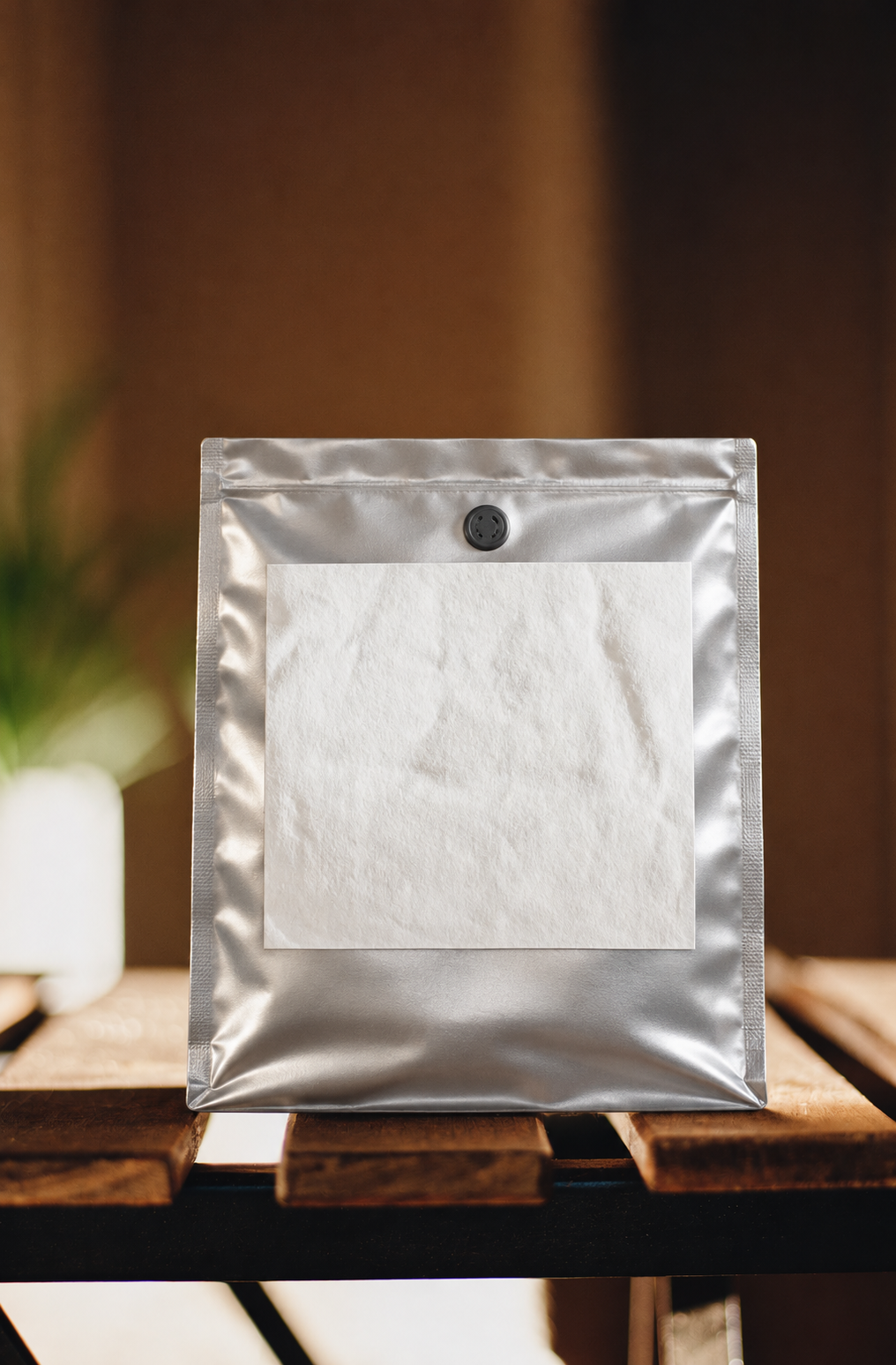
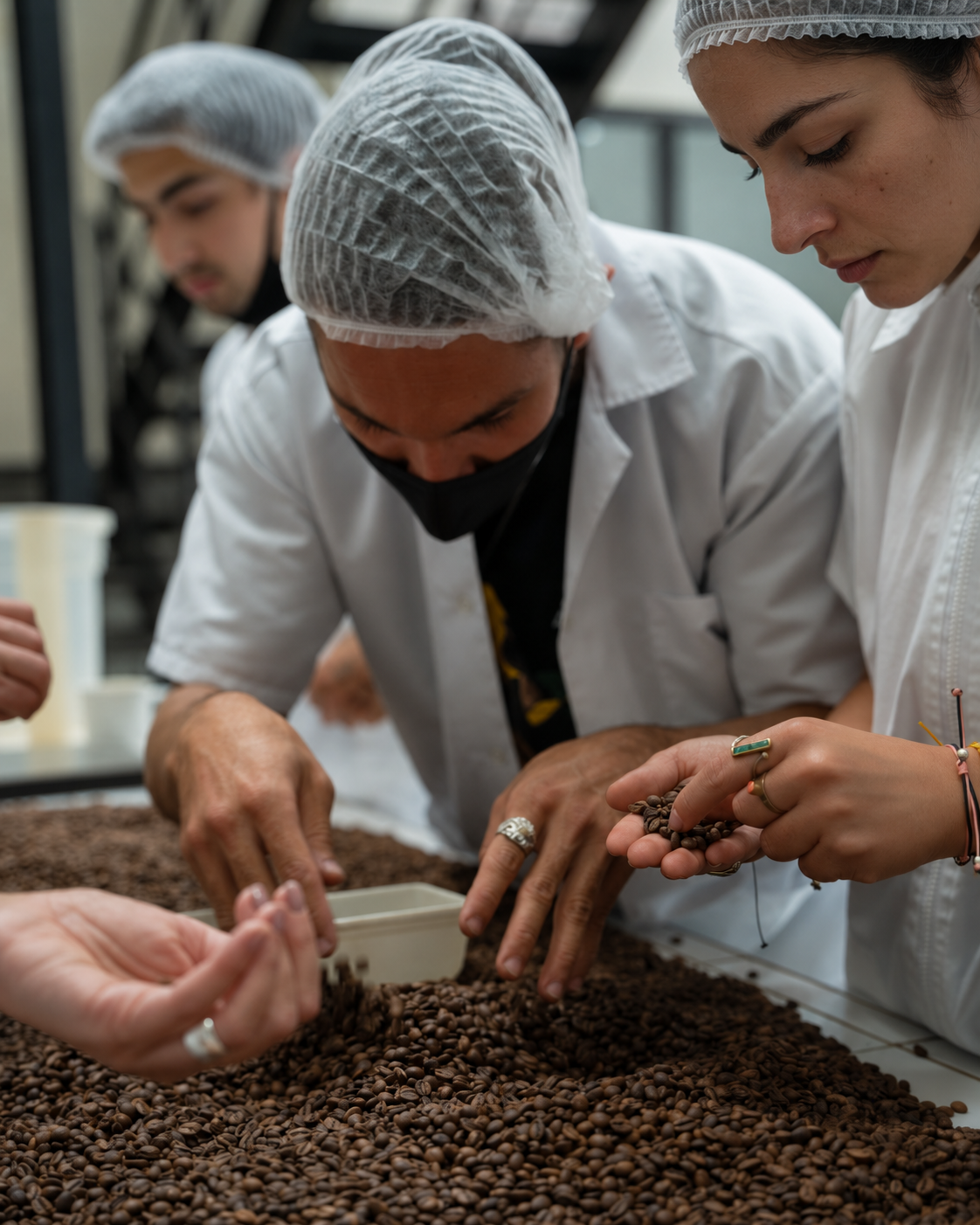
Freshly roasted coffee releases carbon dioxide after roasting. A completely sealed bag filled while degassing is substantial may swell; allowing unrestricted air exchange instead introduces more oxygen. A properly selected one-way degassing valve is designed to vent gas while limiting air ingress, but its actual behavior depends on valve design and the pack.
Dylign's existing custom coffee pouch guide makes the practical distinction: the valve choice should be settled alongside roast timing, pouch format and closure before approving production. That does not mean every coffee pouch needs a valve. Pre-degassed products, different packing sequences and single-use packs may require a different approach.
Whole beans and ground coffee also differ. Grinding increases exposed surface area, affects filling behavior and can leave fine grounds in zipper or seal tracks. A whole-bean retail bag may be opened daily, whereas a small ground-coffee sample may be used in one session. Both need a product-specific oxygen strategy, but not necessarily identical closures or valve layouts.
Coffee program | Primary packaging concern | What to validate |
|---|---|---|
Fresh whole-bean retail | CO₂ management plus oxygen protection | Degassing valve, seal, fill timing, zipper usability |
Ground coffee for retail | Oxygen exposure, aroma, powder contamination | Filling atmosphere, seals, zipper cleanliness |
Small sample or single-use pack | Short use cycle and minimal headspace | Need for a valve, portion size, reliable seal |
Wholesale / ecommerce coffee | Distribution time and handling | Barrier, seal integrity, scuff/flex damage, shelf-life evidence |
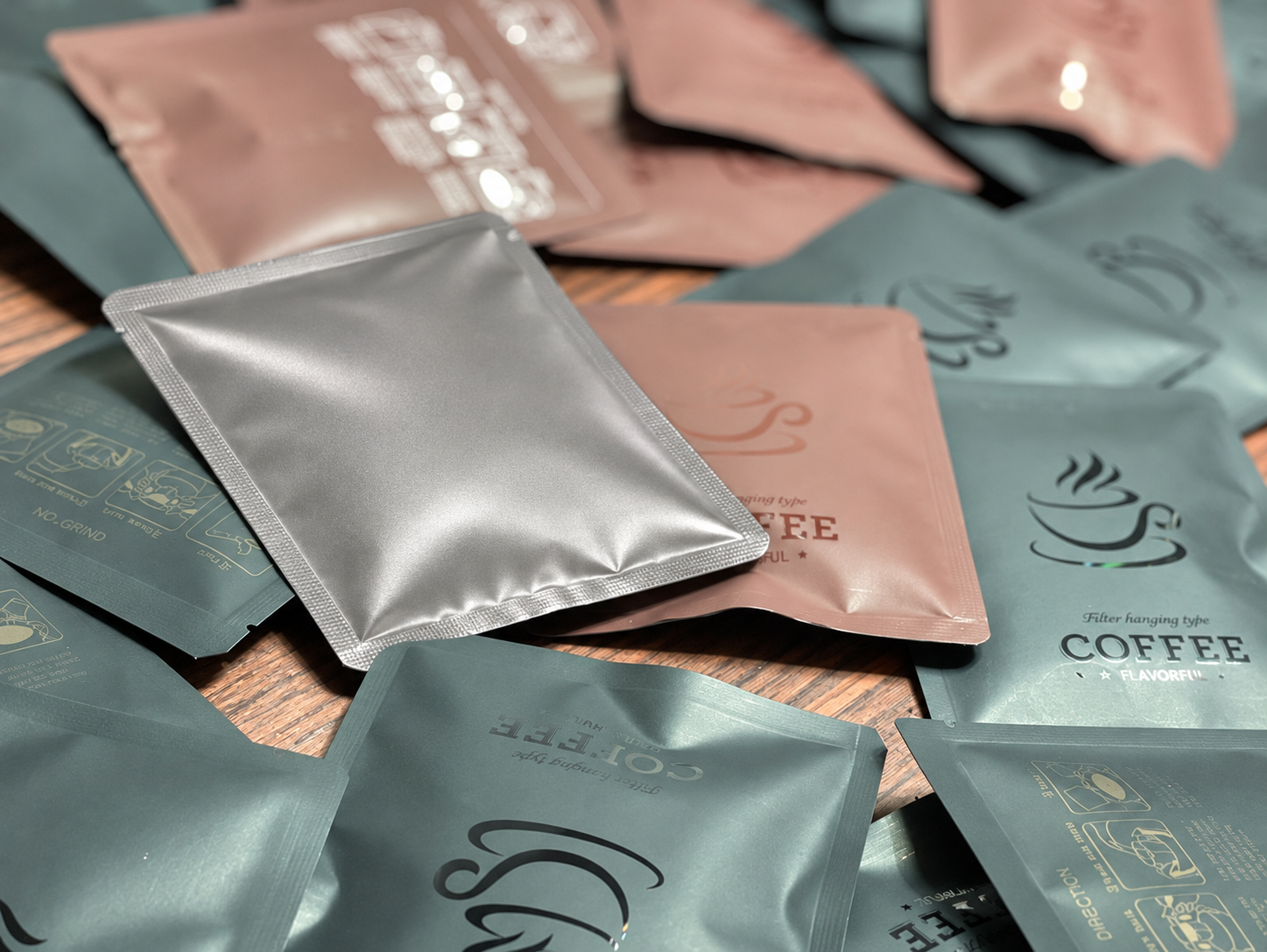
For a U.S. retail coffee brand, choose the pouch's physical capacity using actual roasted coffee, not only an “8 oz” or “12 oz” product name. Dylign's coffee pouch article discusses common retail sizes, while the final dimensions still need a physical fill trial. Valve position should not interfere with the graphic hierarchy, barcode, top seal or opening experience.
Which oxygen barrier material fits the product?
The material name is useful, but the tested multilayer construction is the unit of purchase.
Aluminum foil laminates can deliver very strong oxygen and light protection when the foil remains intact. Their trade-offs include flex and puncture sensitivity and more complex material recovery.
Metallized films place a thin metal coating onto a polymer such as PET. They can offer useful barrier performance at a different construction and cost profile from foil, but the actual coating and lamination must be tested.
EVOH-containing structures are valuable when oxygen resistance and some degree of transparency or polyolefin-oriented design are desired. Relative humidity can affect their oxygen barrier, so ask for data at conditions relevant to the product. The importance of humidity in barrier testing is explicit in ASTM F1927.
Clear windows and kraft-look exteriors are appearance choices, not barrier specifications. A window can create a different barrier zone and change light exposure. A kraft exterior may sit on top of a complex laminate, and it does not prove recyclability. A window or paper-look design must be evaluated as part of the complete package.
The film is only half the oxygen-control system
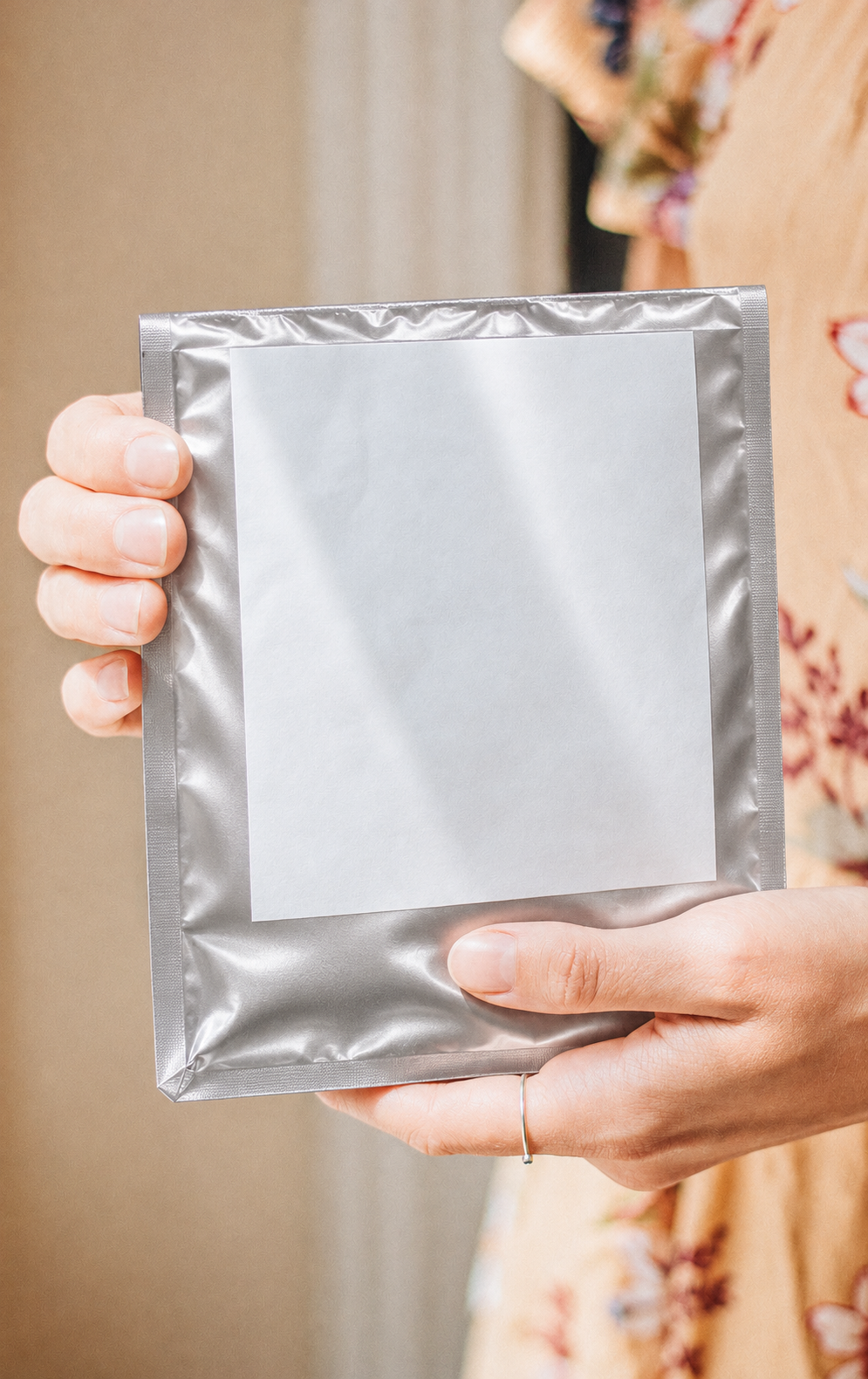
Film OTR is measured on a material sample. Consumers buy a filled pouch, potentially with a valve, zipper, notch, gusset and multiple seals. Oxygen can enter through defects or unintended pathways even when the flat film has good laboratory results.
ASTM F88/F88M-23 gives packaging teams a standardized way to measure seal strength. It should be paired with an application-appropriate package-integrity plan rather than treated as proof of complete hermetic performance. The team should define acceptable residual oxygen, closure behavior and shelf-life criteria before commissioning production trials.
A useful validation sequence is to run the exact coffee or food product through the intended filler; evaluate headspace and seals; inspect valve and zipper performance; then conduct storage trials using the intended distribution conditions. A pouch that performs well as a flat film can behave differently after converting, filling, bending and opening.
What should a U.S. food brand request from the supplier?
Start with a complete material specification, OTR and WVTR reports with test conditions, food-contact documentation for the intended product, and the proposed pouch dimensions and seal parameters. Request a practical discussion of valve selection if packing recently roasted coffee, and verify the chosen closure under real product handling.
For U.S. food-contact uses, the FDA's explanation of food-contact material status ties authorization to the individual substances and their conditions of use. “Food grade” as a generic sales phrase is not a replacement for construction-specific documentation.
A recyclable-looking package also deserves scrutiny. Barrier performance, adhesives, inks, valves and other components can affect an end-of-use claim. The FTC's environmental marketing guidance is a relevant U.S. reference; do not convert a supplier's “recyclable-ready” design description into an unqualified consumer-facing claim.
What this means for CPG leaders
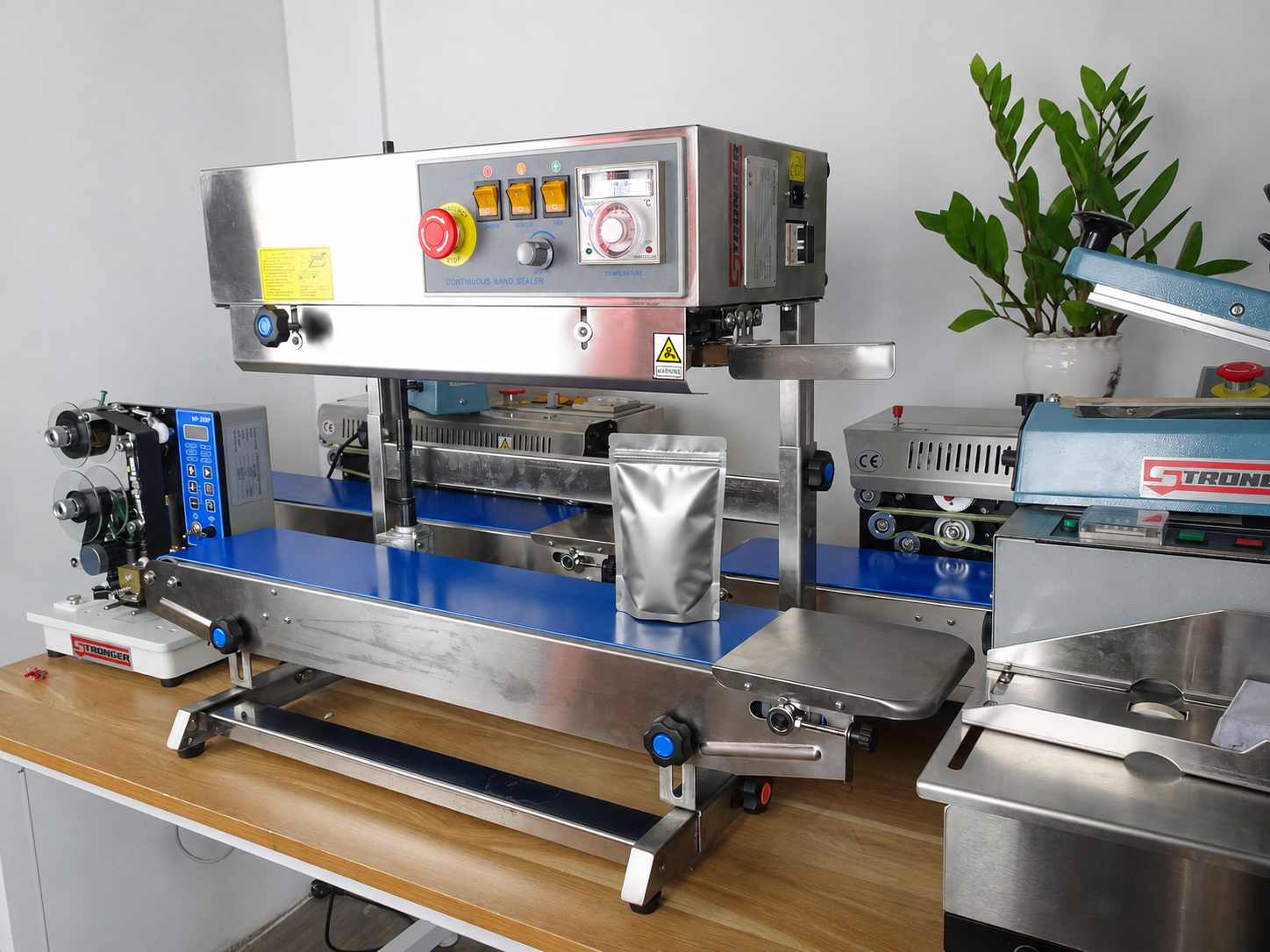
A coffee brand's packaging owner should set a freshness target with quality, not let artwork or bag availability set the technical requirement. Operations should confirm whether filling happens soon after roasting and how gas is managed. Procurement should compare the finished pouch, valve and filling-process cost, while marketing should check that freshness and recycling language is substantiated. Use real filled-sample tests before releasing a new format.
Bottom line: The best oxygen barrier coffee bag manages the whole oxygen pathway—from initial fill gas to film transmission and closure—not just the laboratory OTR of its laminate.