

The Brand
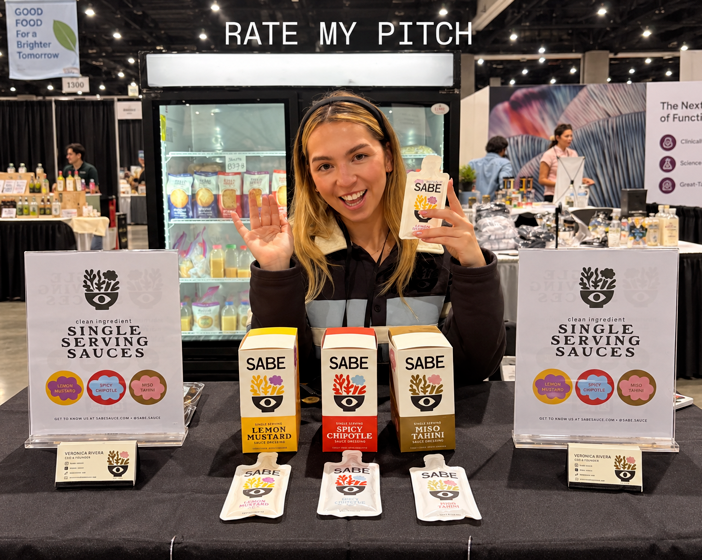
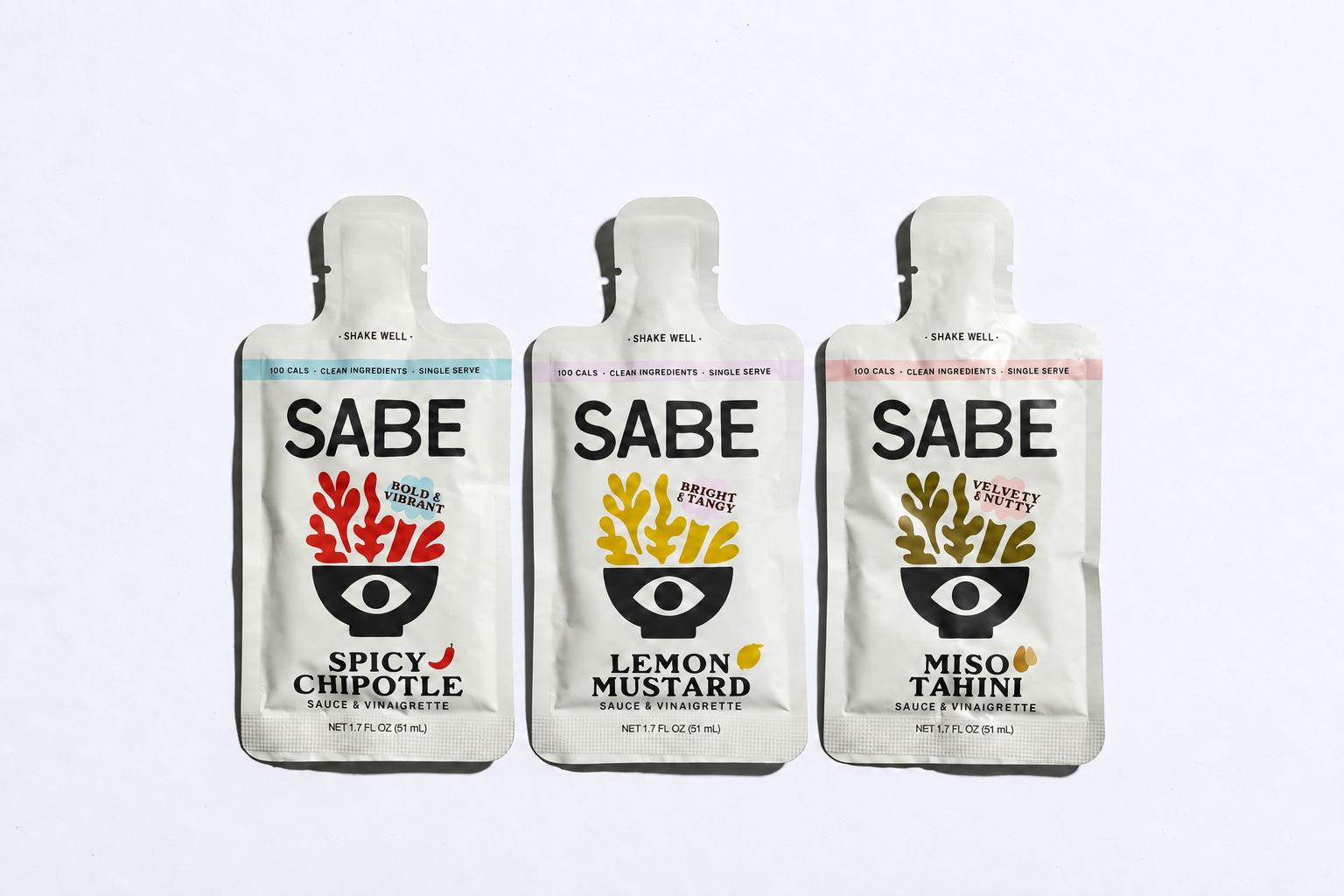
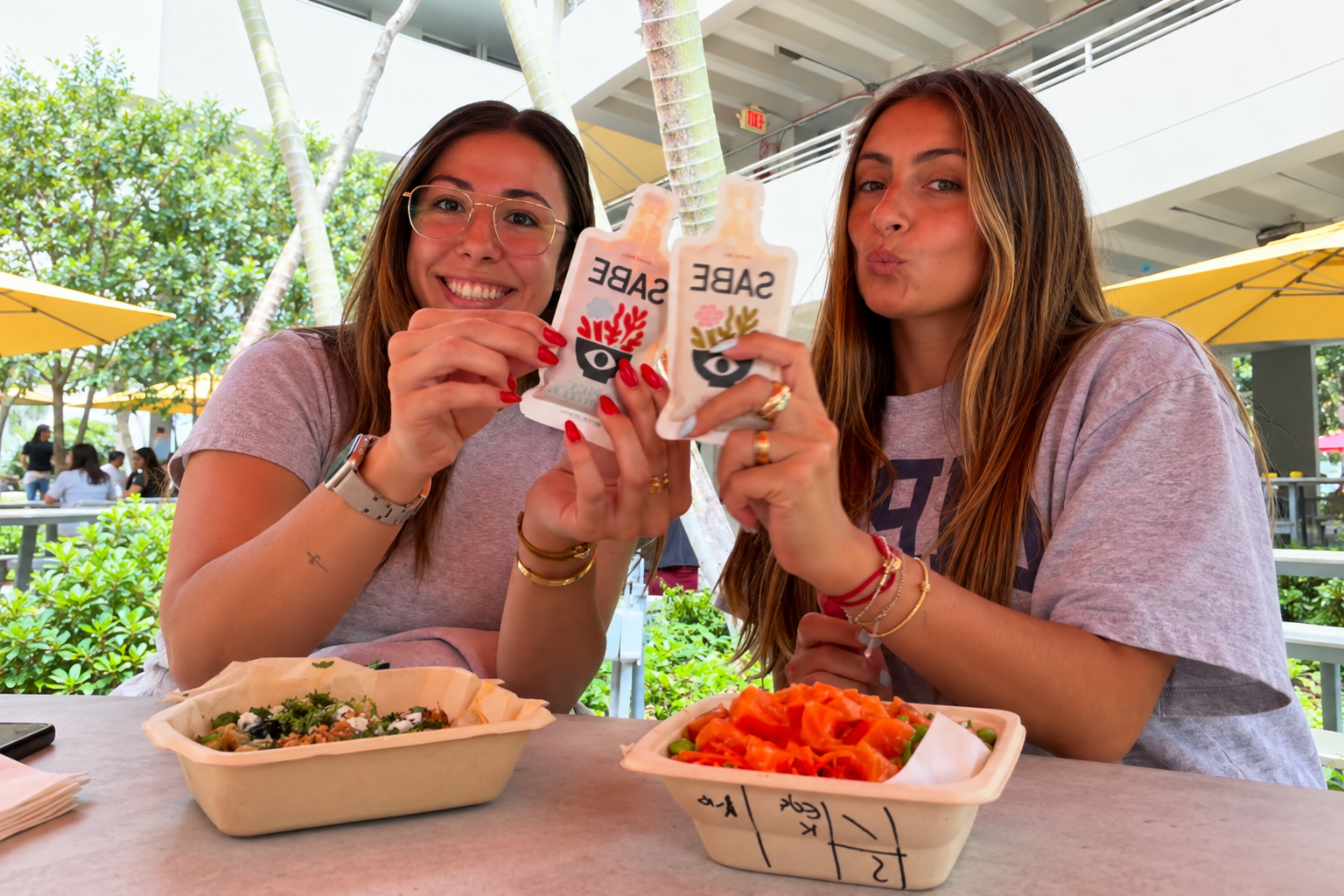
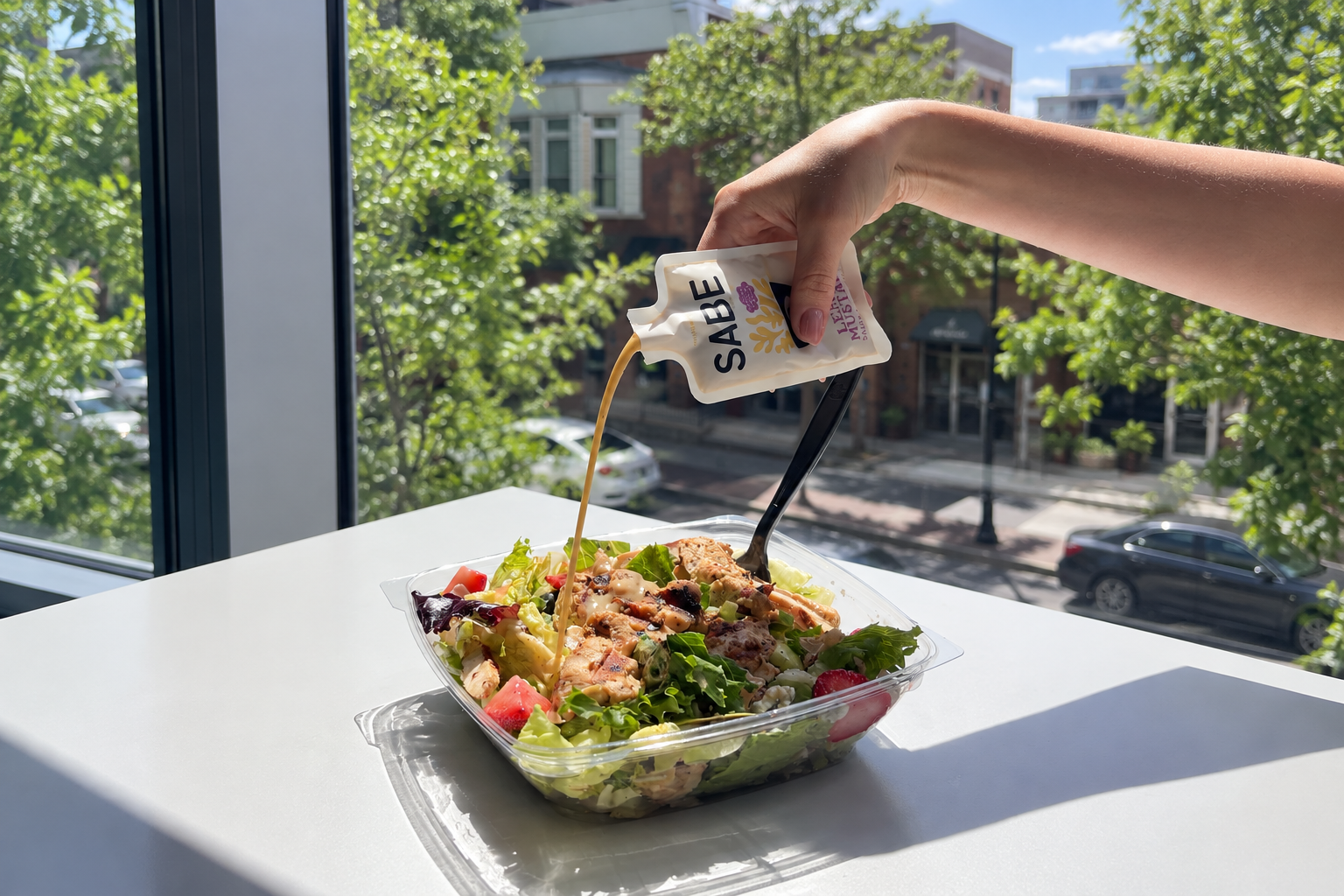
SABE makes single-serve sauce pouches you can carry in a bag and open over a salad, a protein bowl or whatever the meal prep was that week. Short ingredient list, no preservatives, shelf stable at room temperature. The name means "to know" or "to taste" in Spanish.
Veronica grew up in Miami, where flavor was non-negotiable and meals were made with enough intention that quality became her baseline. Then came the corporate years, the nonstop travel and the desk lunches, and the question she could not answer: why was clean food never convenient, and convenient food never clean? She started making the sauce she could not find, first with measuring spoons at home, then refining it on feedback from taste-testers.
The Challenge
What nobody tells you about launching a product like that is how much of it changes after launch. SABE hit three of those changes in a row, and each one landed on the packaging.
The first could have stopped production. SABE was filling from rollstock film, and when Veronica moved to a different filling machine, the film she already had would not run on it. That is not a packaging inconvenience. It is a stopped line, and the filling schedule, the retail commitments and the cash all move with it. She needed a new format faster than her existing supply chain could produce one.
The Solution
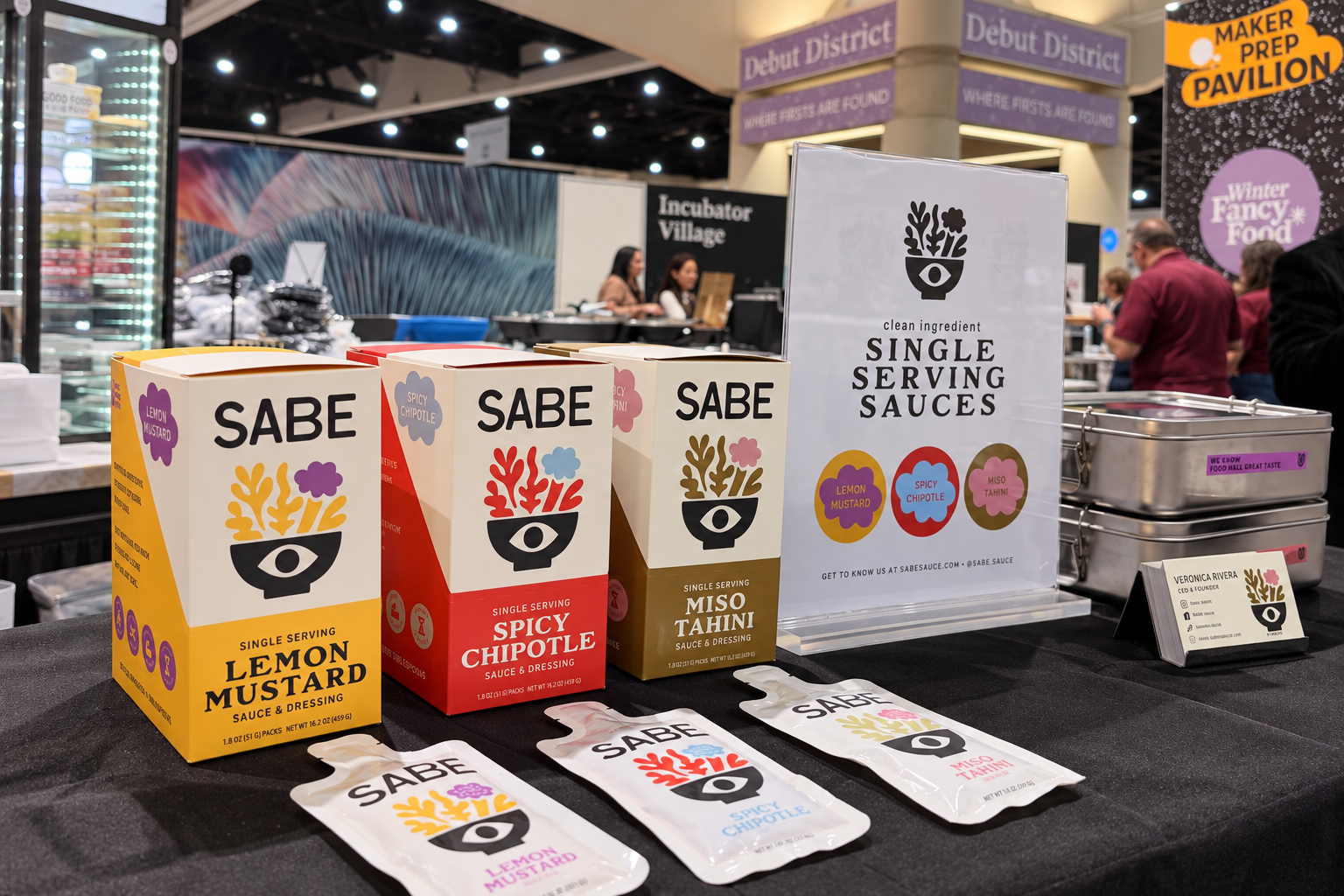
The changeover. We moved her from rollstock to custom-shaped pouches built for the new machine, expedited, at about 30% below her previous supplier.
The display carton. A rushed new run with the tear line aligned to the opening, a lid that closes flat, and a heavier, stiffer board. Details that decide how fast a case unpacks and how square the product sits on shelf.
The resize. Going from 50ml to 30ml is not shrinking the drawing. We put multiple size references in front of her, weighed against fill volume, filling equipment, seal area, the shaped outline and the visual design, until the 30ml pouch worked on all five.
The Result
Three changes, none of them planned, all of them normal for a brand at her stage.
Veronica built SABE because she refused to accept that clean and convenient could not be the same thing. Running the business turned out to demand the same stubbornness: the equipment changed, the carton needed rebuilding, the product got smaller, and none of it was supposed to cost her a retail date. It didn't. She kept her schedule through all three, at a lower unit cost than she started with, and spent the year building the brand instead of managing a supply chain.
"Nobody told me a new filling machine means new film. They did."

